As triple-digit temperatures sweep across much of the United States, grid operators face mounting pressure to prevent blackouts. The Trump administration has directed managers to mandate the use of backup power sources, which are typically kept idle during normal operations.
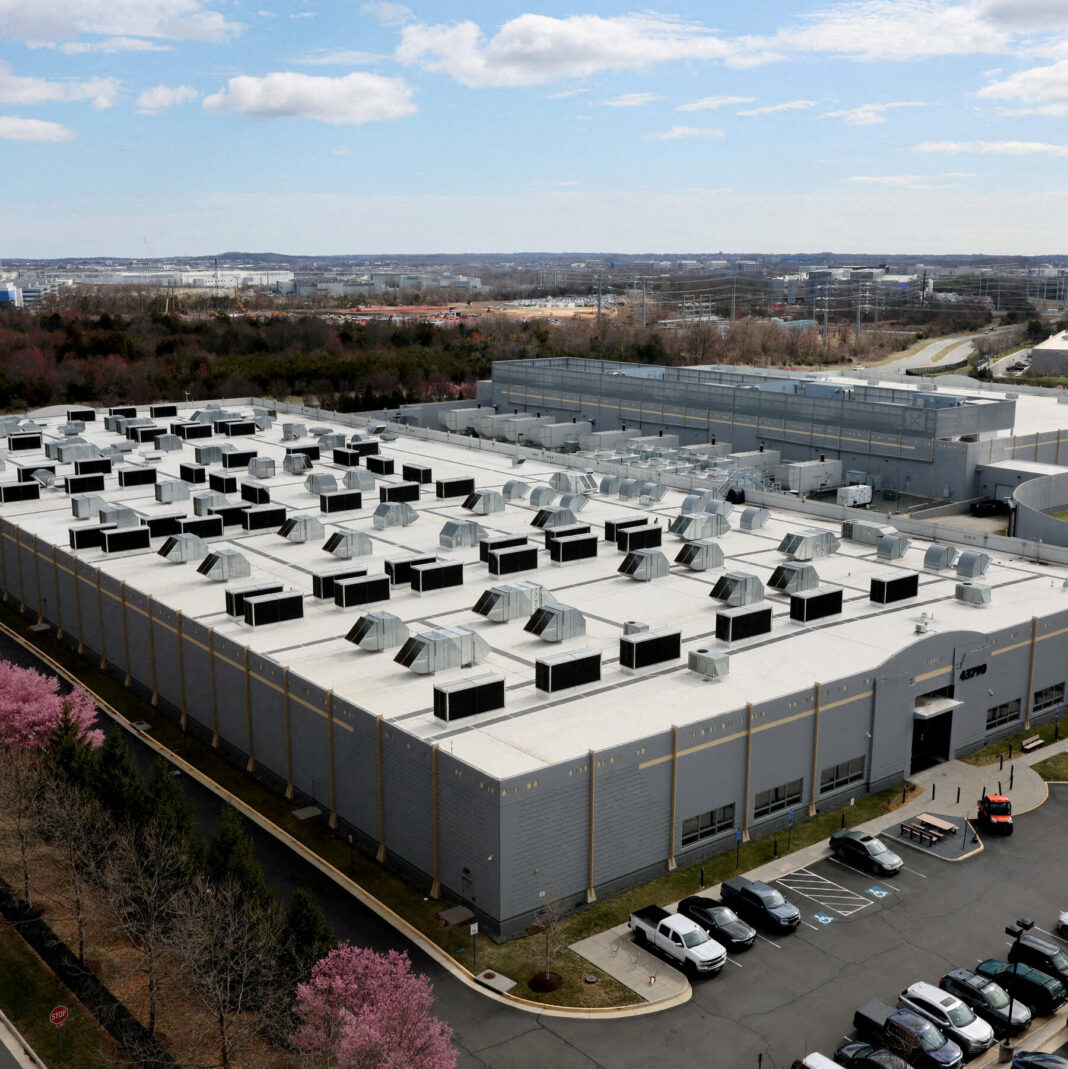
Data centers, which consume significant electricity for computing and cooling, are being ordered to activate their backup generators. This measure aims to reduce strain on the electrical grid during peak demand hours.
The directive applies to regions managed by PJM Interconnection, a grid operator covering 65 million people across 13 states. The area has recently experienced record-breaking electricity usage as air conditioning systems run nonstop.
Backup power systems, often powered by diesel or natural gas, are usually reserved for emergencies. Requiring their use during non-emergency periods marks an unusual step for grid management.
Critics have raised concerns about increased emissions from backup generators, which typically operate without the same pollution controls as main power plants. Environmental groups argue this contradicts broader clean energy goals.
Grid officials maintain that the temporary measure is necessary to maintain reliability. Without it, they warn, rolling blackouts could affect millions of homes and businesses.
The order is set to remain in effect until extreme heat conditions subside. Forecasts show temperatures in the 100s continuing across major cities in the Midwest and Northeast through next week.
Data center operators have begun preparing for the mandate, testing their backup systems ahead of activation deadlines. Many are working to ensure fuel supplies last through extended periods of use.