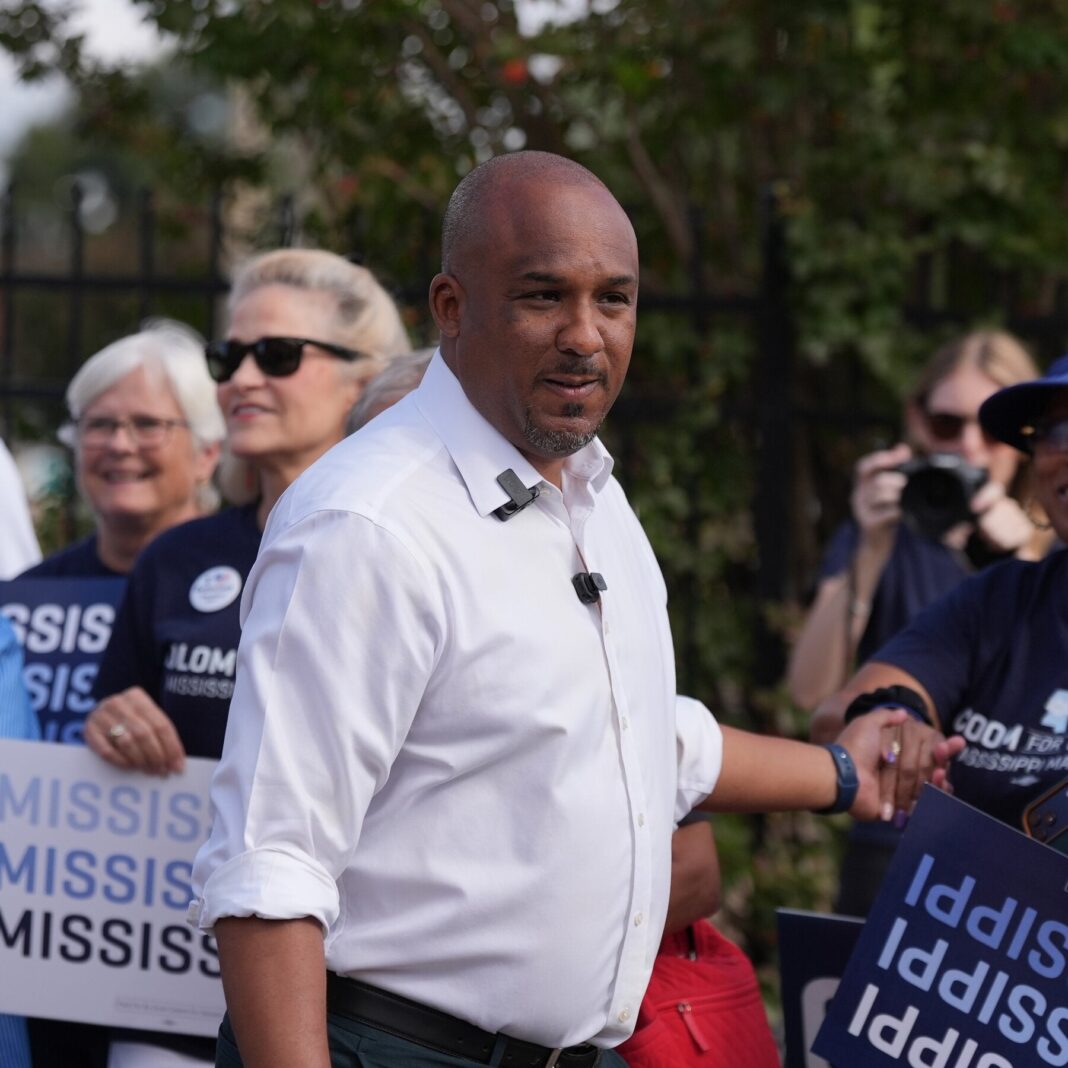
The midterm elections produced several historic firsts across the country. Yet those winners did not build their campaigns around breaking barriers. Their messages centered on delivering concrete results for voters.
Candidates focused on costs, jobs, and local services rather than symbolism. The approach resonated with voters who prioritized pocketbook concerns. Campaign ads rarely mentioned the milestones their victories would represent.
Several barriers fell on election night. New faces appeared in offices long dominated by a single party or demographic. Still, the winners described their races as contests about competence, not representation.
Strategists note the shift reflects a broader pattern in recent elections. Voters reward candidates who address daily economic pressures. Identity-focused appeals have drawn mixed results in swing districts.
The winners now face pressure to turn campaign promises into policy. Legislative agendas emphasize affordability and public services. Observers will watch whether those priorities hold through the next session.
Their victories also reshape the image of who holds power. The change came through districts where practical concerns outweighed cultural debates. Analysts say the results offer a playbook for future races.
The candidates themselves downplayed the historic nature of their wins. Most returned quickly to the work of governing. Their focus, they said, remains on the voters who sent them to office.