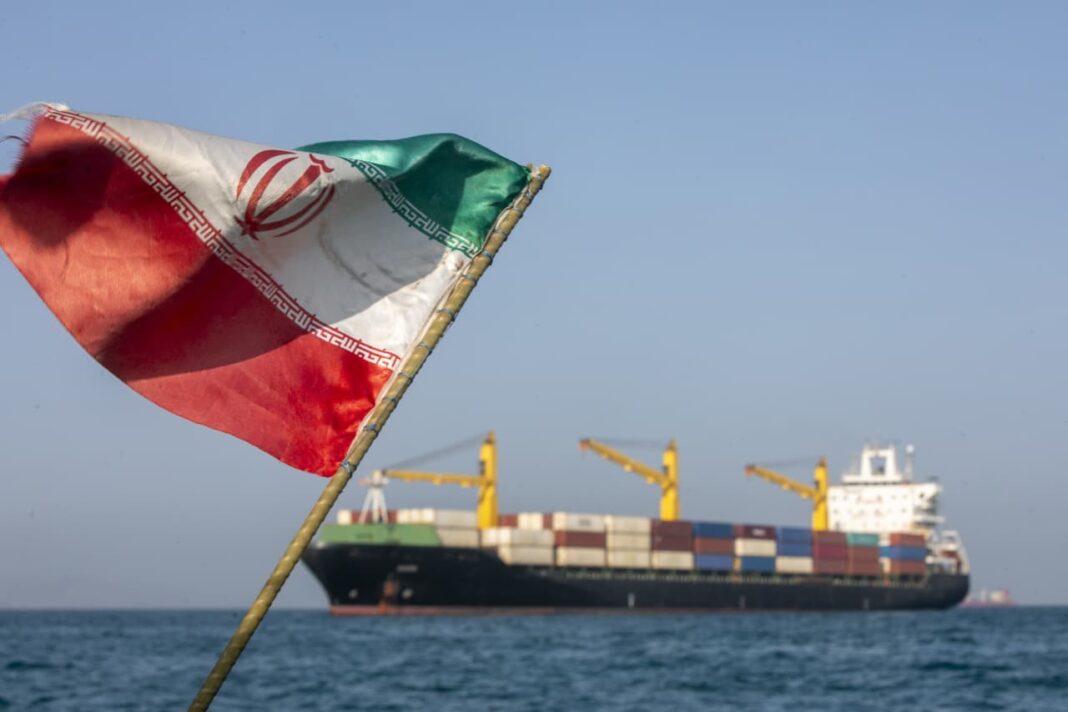
A new warning from the commodity market highlights the risks of a delayed reopening of the Strait of Hormuz. Analysts caution that if the crucial waterway remains blocked past the end of August, a severe oil price shock similar to the 2008 “train wreck” scenario could unfold.
The Strait of Hormuz is a vital passage for global oil shipments. Approximately 20% of the world’s petroleum passes through this narrow channel. Any prolonged closure threatens to disrupt supply chains and send prices soaring.
The comparison to 2008 stems from a period of extreme market volatility. During that year, oil prices skyrocketed to record highs before crashing. Analysts fear a similar pattern if the strait remains inaccessible.
Market observers are now closely watching geopolitical developments in the region. The current situation has already caused oil prices to rise. A prolonged closure could lead to shortages and economic instability.
The warning underscores the fragility of global energy infrastructure. Many countries depend on a steady flow of oil from the Middle East. Disruptions in the Strait of Hormuz can have far-reaching consequences.
The end of August serves as a critical deadline. If the waterway is not reopened by then, the market could face a severe supply crunch. This could trigger a rapid price spike and increased volatility.
The situation remains fluid, and traders are bracing for potential outcomes. Investors are advised to monitor developments closely. The coming weeks will determine whether the 2008 scenario repeats itself.