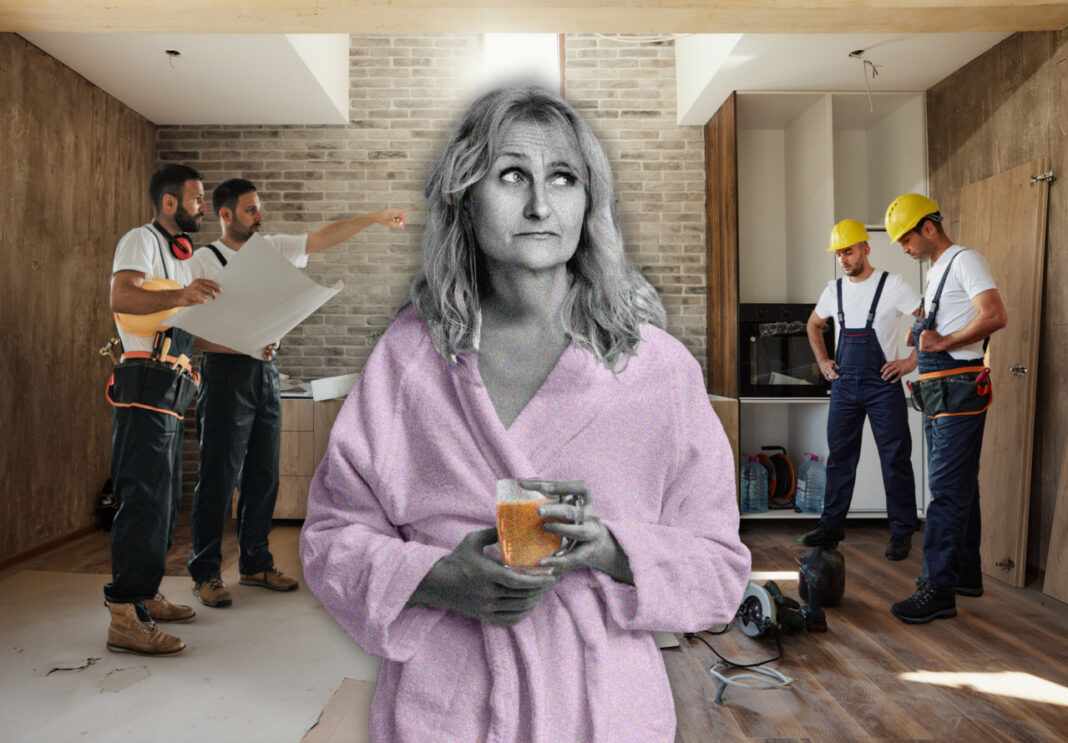
Homeowners who invest heavily in renovations often find themselves questioning their decisions. Spending tens of thousands of dollars on a remodel does not guarantee satisfaction.
Financial experts note that many upgrade projects fail to deliver the expected return on investment. The gap between anticipated value and actual outcome can be significant.
Homeowners frequently prioritize aesthetics over functionality. This mismatch leads to regret once daily life interacts with the new space.
Kitchen renovations rank among the most common sources of buyer’s remorse. High-end appliances and custom cabinetry often go unused or fail to meet practical needs.
Bathroom remodels present similar issues. Luxurious features like soaking tubs and rainfall showers sound appealing but rarely fit into regular routines.
Open floor plans create another layer of disappointment. The removal of walls reduces privacy and makes noise control difficult for families.
Project scope expansion contributes heavily to regret. Initial budgets balloon as homeowners add features they later realize they did not need.
Contractor-related problems also play a role. Delays, miscommunication, and subpar workmanship can sour the entire experience.
Real estate professionals suggest focusing on modest, functional upgrades instead. Neutral finishes and durable materials tend to hold their value better.
Staging a home for sale does not require full-scale renovation. Simple updates like fresh paint and new hardware offer a safer path.
Homeowners should consider how long they plan to stay in the property. Short-term residents rarely benefit from extensive remodels.
Future buyers may not share the same taste. Custom choices can actually reduce resale appeal rather than increase it.
Researching local market trends helps set realistic expectations. What works in one neighborhood may fail in another.
Setting a firm budget and sticking to it prevents many common pitfalls. Emotional decisions during construction often lead to overspending.
Consulting multiple contractors and reading reviews offers protection against poor workmanship. Time spent vetting professionals pays off later.
The emotional attachment to a remodeled home does not always translate into financial gain. A clear-eyed approach serves homeowners better.