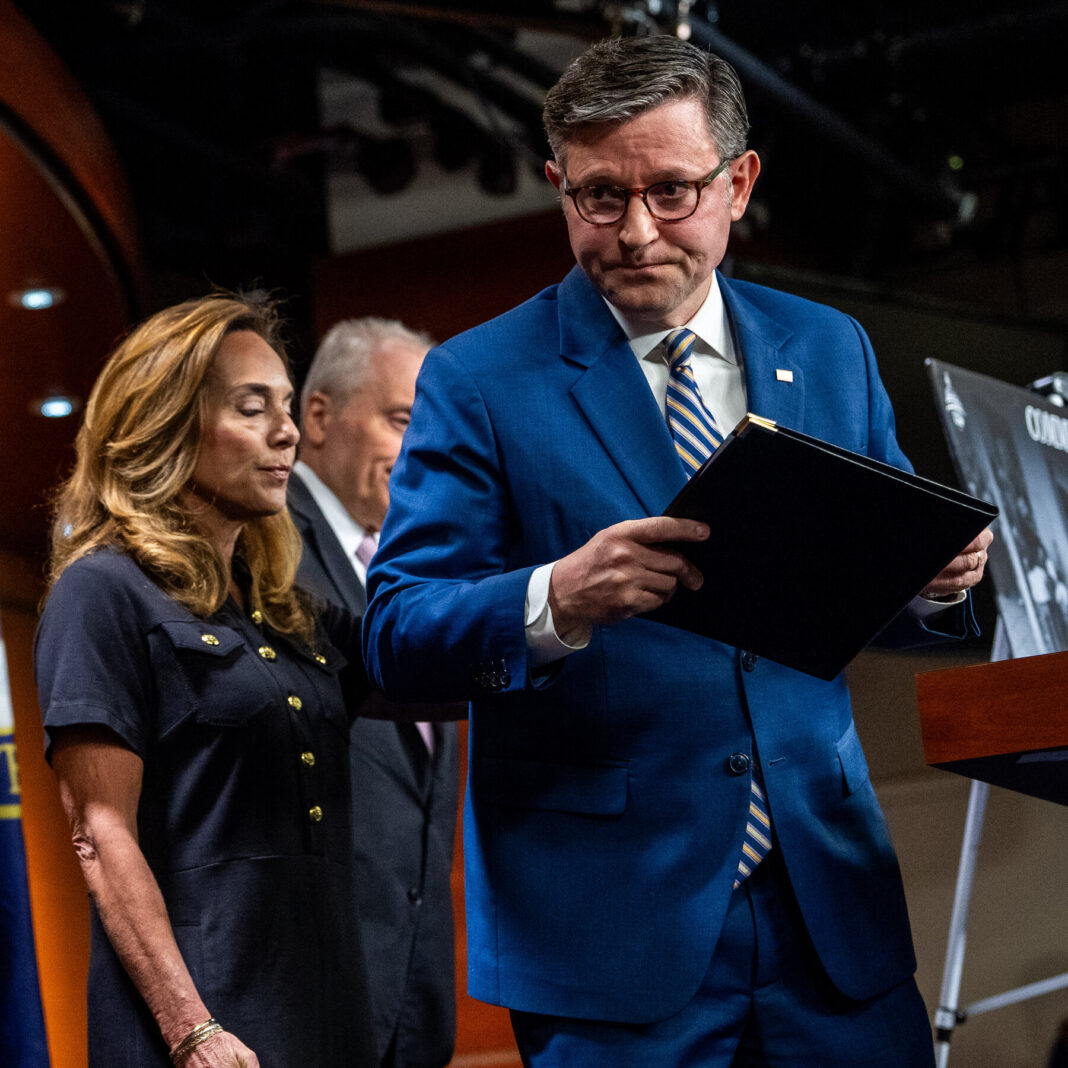
The House narrowly passed a stopgap spending bill late Tuesday, funding the government through Dec. 4. Republicans pushed the legislation through with a slim majority. The vote was 215 to 214, with one Democrat crossing party lines.
Democratic leaders opposed the measure, citing disagreements over spending levels. The bill now heads to the Senate, where it faces an uncertain future. Lawmakers from both parties have expressed frustration with the short-term fix.
The stopgap measure avoids an immediate shutdown, which was set for the end of the week. However, the vote underscores deep divisions in Congress over federal spending. The current fiscal year ends Sept. 30.
Republicans argued the bill was necessary to maintain essential services. They emphasized the need for more time to negotiate a full-year budget. Critics countered that the stopgap delays critical decisions on funding priorities.
The legislation includes no major policy riders or additional disaster relief. Democrats had pushed for extra funding for health care and housing programs. Those requests were excluded from the final text.
Senate leaders have not scheduled a vote on the bill. A broader fight is expected when the temporary funding expires in December. The outcome will shape the next round of budget negotiations.
The stopgap bill is the third such measure passed this year, reflecting ongoing gridlock. Analysts warn that repeated short-term extensions damage fiscal planning. Agencies may face uncertainty in managing long-term projects.
The White House has not issued a formal position on the bill. President Biden previously urged Congress to avoid a shutdown. His administration is preparing for potential disruptions if talks stall.
Both chambers are scheduled to recess in August, leaving limited time for a deal. The coming weeks will test lawmakers’ ability to compromise. The clock is ticking toward the December deadline.