A divided centrist vote is reshaping a Democratic House primary in Michigan, giving progressive candidates a clearer path to victory. The race, unfolding in the state’s 8th Congressional District, has drawn national attention as a test of the party’s internal dynamics. Multiple moderate candidates are competing for the same voter base, splitting their support. That fragmentation has allowed a left-leaning contender to consolidate momentum ahead of the primary.
The district covers suburban and rural areas, including parts of Lansing and surrounding counties. It is a politically competitive region where Democrats have struggled to maintain a unified coalition. In recent cycles, moderate and progressive factions have clashed over messaging and policy priorities. This year, the absence of a single establishment-backed candidate has intensified those divisions. Local party leaders have not coalesced around any one moderate, leaving the lane open.
Progressive organizers have seized on the split, focusing their outreach on younger voters and union households. They argue their candidate offers a clearer contrast to Republican opponents in the general election. Campaign finance reports show the progressive campaign has gained traction, with a surge in small-dollar donations. Moderate candidates, meanwhile, are relying on larger contributions from business and political action committees.
The primary has also become a proxy battle for broader national debates within the Democratic Party. Issues such as healthcare, climate policy, and housing costs dominate the candidates’ platforms. The progressive hopeful has centered their campaign on expanding public health insurance and rent control measures. Moderates have countered with proposals for targeted tax credits and infrastructure investments.
Recent polling suggests the progressive candidate holds a slight lead, but the race remains fluid. A significant share of voters remains undecided, and turnout will be critical. Campaign insiders note that moderate voters could consolidate late in the cycle if one centrist drops out or secures a key endorsement. Such a shift could alter the outcome, but time is running short.
The outcome of this primary will signal whether progressive momentum can overcome fractured opposition. It also carries implications for how the party approaches competitive swing districts in future elections. National groups are monitoring the race closely, with outside spending expected to increase in the final weeks. Both sides are preparing for a close finish.
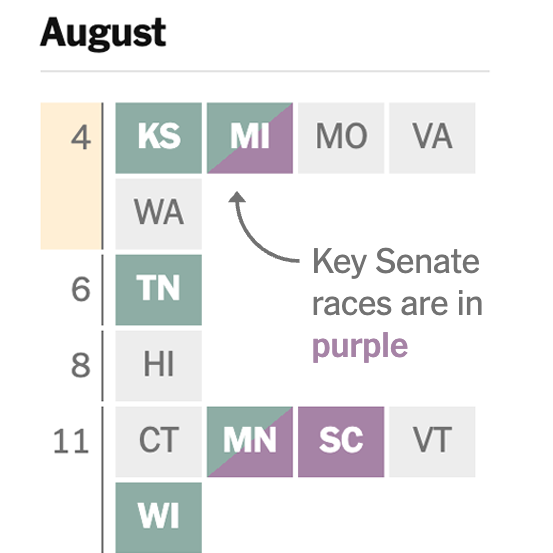
Voting is scheduled to take place in early August, with mail-in ballots already being distributed. Local election officials expect higher-than-usual participation given the race’s profile. The winner will face a Republican candidate in November in a district that has seen mixed partisan results. For now, the centrist split remains the defining factor, boosting progressive hopes in a pivotal contest.