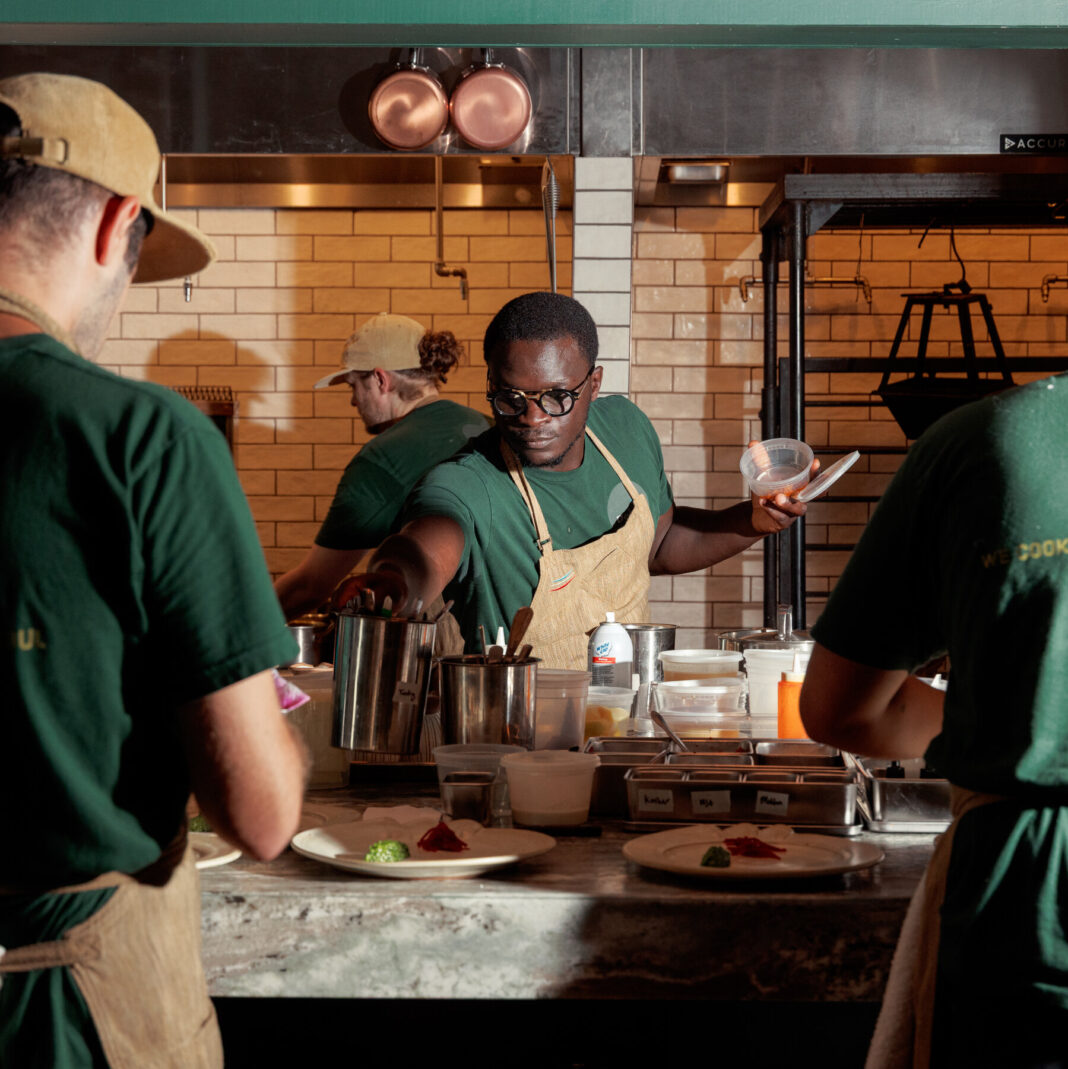
At Dakar NOLA, chef Serigne Mbaye is redefining Creole cuisine by tracing its roots to West Africa. His approach marks a significant shift in New Orleans’ dining scene, connecting contemporary dishes to historical influences often overlooked in the city’s culinary narrative.
Mbaye’s menu draws direct lines between Senegalese cooking techniques and the flavors that define Creole food. Dishes incorporate ingredients like fonio, hibiscus, and smoked fish, offering a perspective that challenges traditional assumptions about the cuisine’s origins. The chef’s work is not just about food but also about correcting a historical gap.
The restaurant’s tasting menu unfolds as a deliberate narrative, with each course referencing a specific West African culinary tradition. For instance, a jollof-inspired rice dish appears alongside a gumbo, highlighting shared methods of layering spices and building depth. This juxtaposition creates a powerful dialogue between continents.
New Orleans has long celebrated its Creole heritage, yet the African contributions to that legacy have received less attention. Dakar NOLA positions itself as a corrective, centering those connections in a fine-dining context. Mbaye’s skill in the kitchen ensures the concept never feels academic or forced.
The dining room itself carries a restrained elegance, allowing the food to remain the focal point. Service is attentive without being intrusive, matching the precision of the dishes. Guests are guided through the meal with clarity, adding context without overwhelming the experience.
Early reviews have praised the restaurant for its bold vision and technical execution. Some critics note that the price point may limit accessibility, but others argue the cost is justified by the originality and craft on display. Reservations remain difficult to secure, reflecting strong demand from locals and visitors alike.
Dakar NOLA does more than serve excellent food; it reframes how Creole cuisine is understood. Few restaurants in the city have attempted such a redefinition, and fewer still have succeeded. Mbaye’s work stands as a landmark moment for New Orleans dining, offering a fresh perspective on a storied tradition.