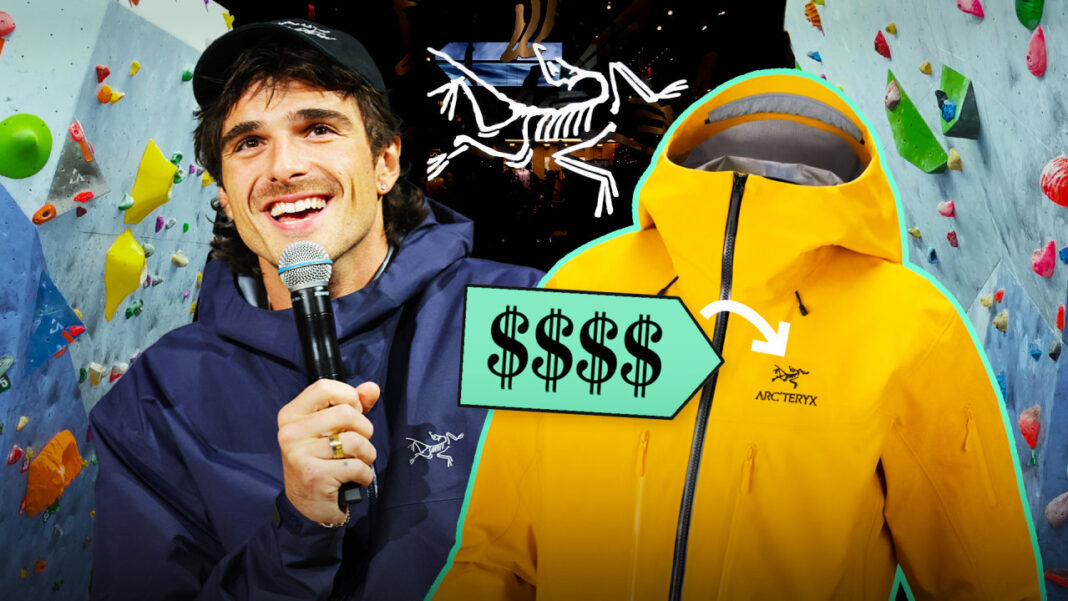
Arc’teryx built its reputation making technical gear for climbers. The Canadian brand has since become a status symbol in fashion and streetwear. Its revenue grew from $500 million to $2 billion.
The company was founded in North Vancouver in 1989. Early products focused on harnesses, jackets, and packs for serious mountaineers. Word spread among climbers who valued durability and precise construction.
Growth accelerated after Anta Sports acquired the brand’s parent company in 2019. New leadership pushed expansion into urban markets. Stores opened in fashion districts rather than outdoor retail hubs.
Arc’teryx kept its high prices and limited distribution. The strategy created scarcity and reinforced its premium image. Celebrities and tech workers began wearing the brand daily.
The brand’s most visible product is the Alpha SV jacket. It retails for around $900 and is built for extreme weather. Its clean design made it appealing beyond the mountain.
Competitors like Patagonia and The North Face also sell technical gear. Arc’teryx separates itself through narrower focus and higher price points. That positioning now drives growth in Asia and North America.
Analysts credit the company with redefining outdoor apparel as luxury. The approach risks alienating core climbers who once felt ownership of the brand. For now, revenue and demand continue to climb.