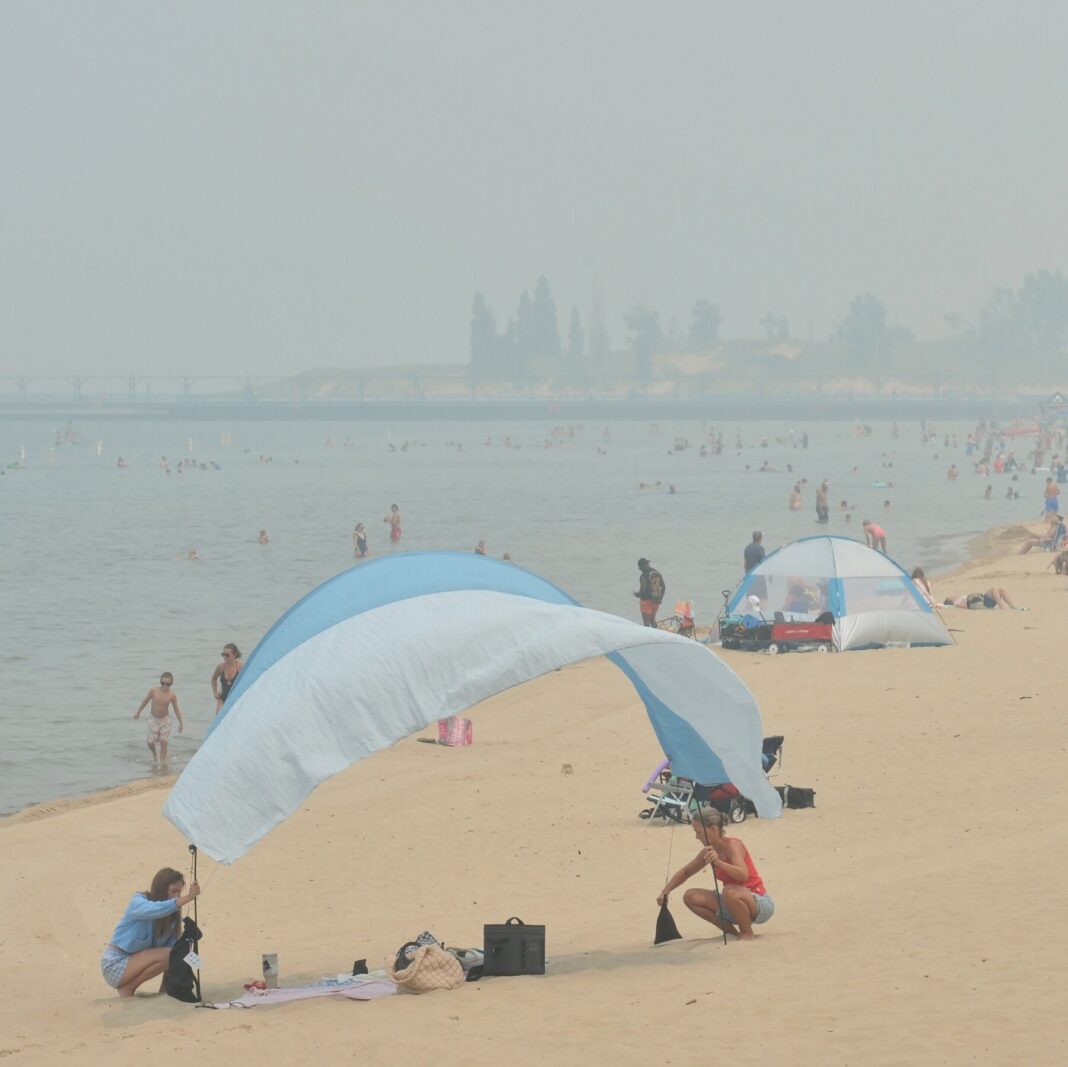
Extreme weather events increasingly define the summer travel season. Heatwaves, wildfires, and floods now routinely alter vacation plans across the globe. Travelers face a new reality where flexibility is essential.
Rising temperatures make popular destinations uncomfortable or dangerous. Southern Europe now endures record heat that closes landmarks and strains power grids. Tourists are shifting trips to cooler months or northern regions.
Wildfires disrupt travel across the American West and Mediterranean. Smoke blankets cities, grounding flights and forcing evacuations. Highway closures strand drivers far from their intended destinations.
Flooding destroys roads, railways, and airports with little warning. Torrential rains have submerged entire towns in weeks meant for beach holidays. Recovery often takes longer than the tourist season itself.
Airlines cancel flights more frequently due to storms and extreme heat. Tarmac temperatures can exceed safe operating limits for smaller aircraft. Passengers face days of delays with limited rebooking options.
Insurance companies now adjust policies to reflect growing climate risks. Standard travel coverage often excludes weather-related cancellations. Travelers must read fine print more carefully than ever before.
Tourism-dependent economies struggle with unpredictable visitor numbers. Businesses built for a steady summer influx now face sudden collapse. Communities must decide whether to adapt or relocate entirely.
Some travelers embrace shoulder seasons to avoid the worst disruptions. Others choose destinations historically less prone to extreme weather. The definition of a reliable summer getaway continues to shift.