Packing a travel first-aid kit requires planning for injuries and illnesses far from professional care. A security professional with years of emergency response experience offers practical recommendations. His advice suits casual tourists, business travelers, and outdoor adventurers alike.
Basic wound care supplies form the foundation of any kit. Adhesive bandages in multiple sizes handle small cuts and blisters. Sterile gauze pads and medical tape secure larger wounds until help arrives.
Antiseptic wipes and antibiotic ointment prevent infection in minor injuries. Include a small bottle of saline solution for flushing dirt from wounds. Tweezers help remove splinters, ticks, and debris from the skin.
Over-the-counter medications address common travel ailments. Pain relievers like ibuprofen and acetaminophen reduce fever and inflammation. Antihistamines ease allergic reactions, while anti-diarrheal pills manage stomach issues.
Personal prescriptions deserve special attention before any trip. Travelers should pack enough medication for the entire journey plus extra days. Keeping drugs in original containers avoids problems at customs checkpoints.
Tools like scissors, gloves, and a thermometer round out the kit. Disposable gloves protect both the traveler and anyone offering assistance. A digital thermometer quickly checks for fever when illness strikes.
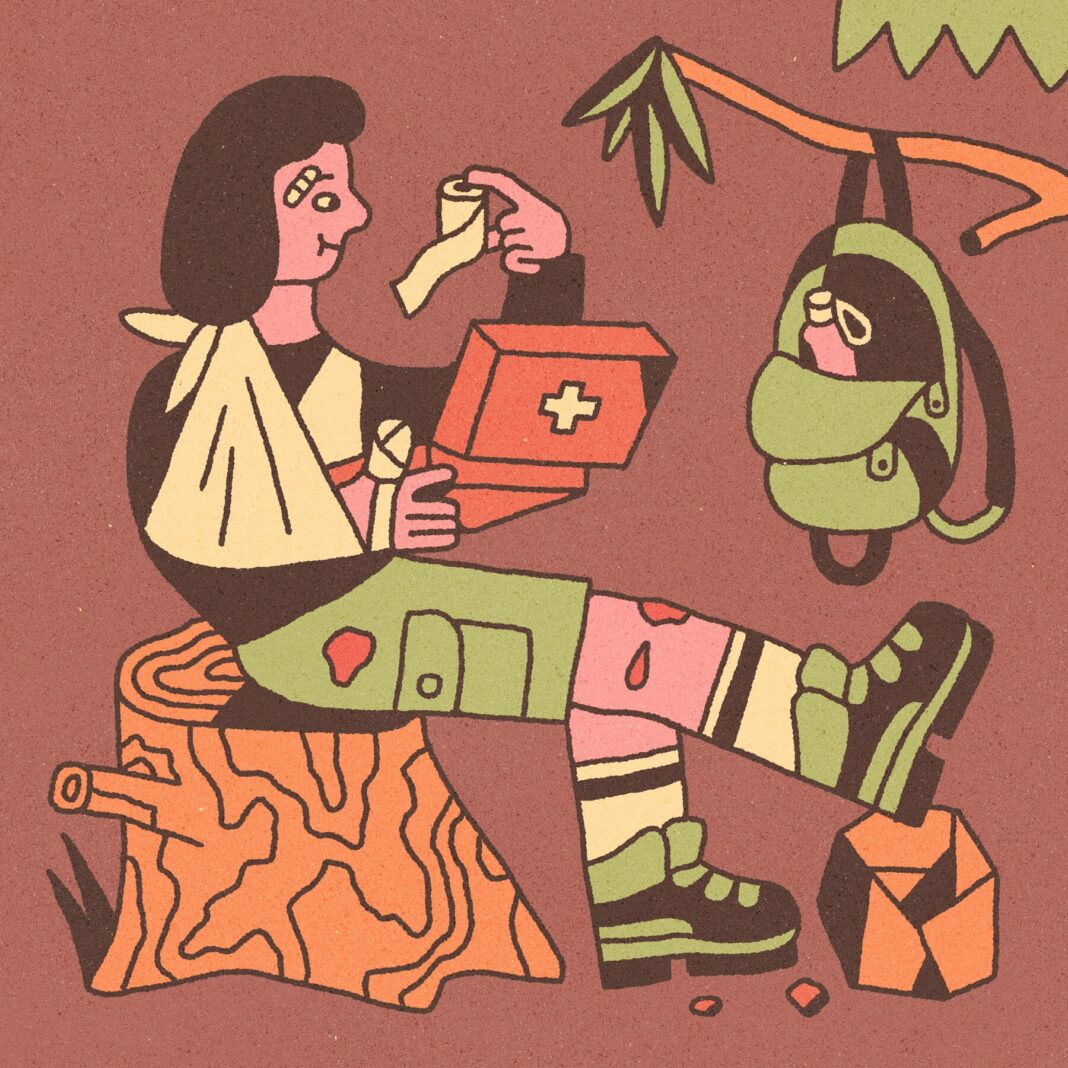
Destination and activity shape what belongs in the kit. Tropical travelers may need insect repellent and rehydration salts. Hikers should carry blister treatment and a basic splint or elastic bandage.
A compact, organized kit fits easily in carry-on luggage. Small pouches or a dedicated bag keep items visible and accessible. Reviewing the kit before each trip ensures nothing has expired or run out.