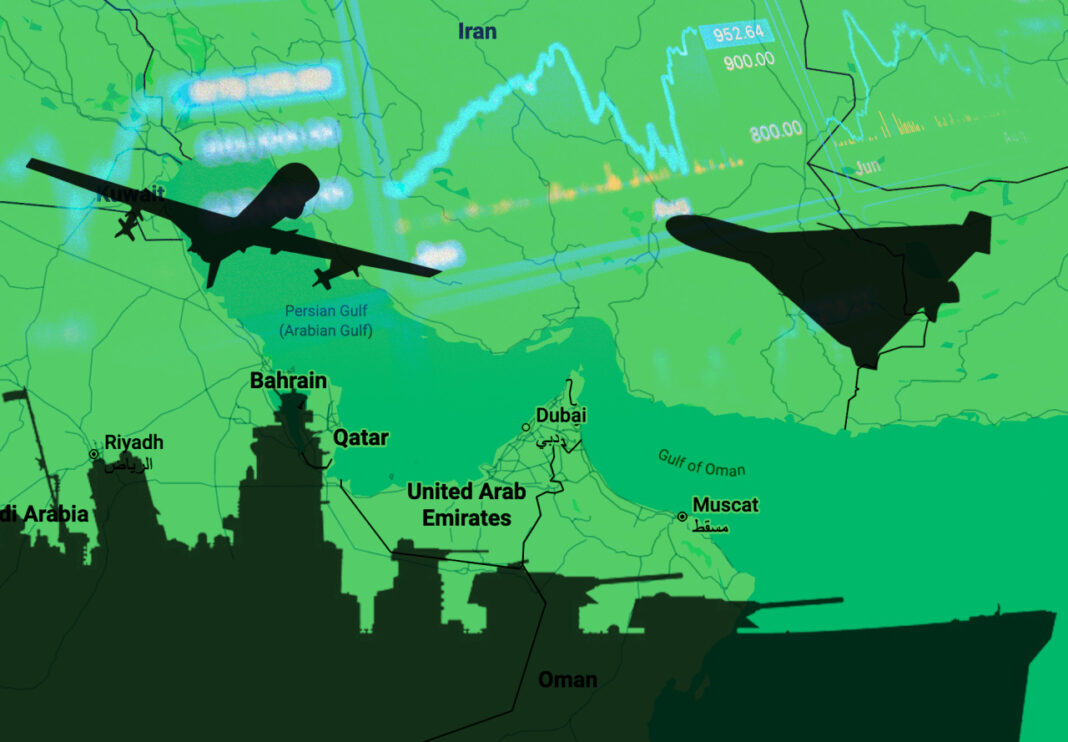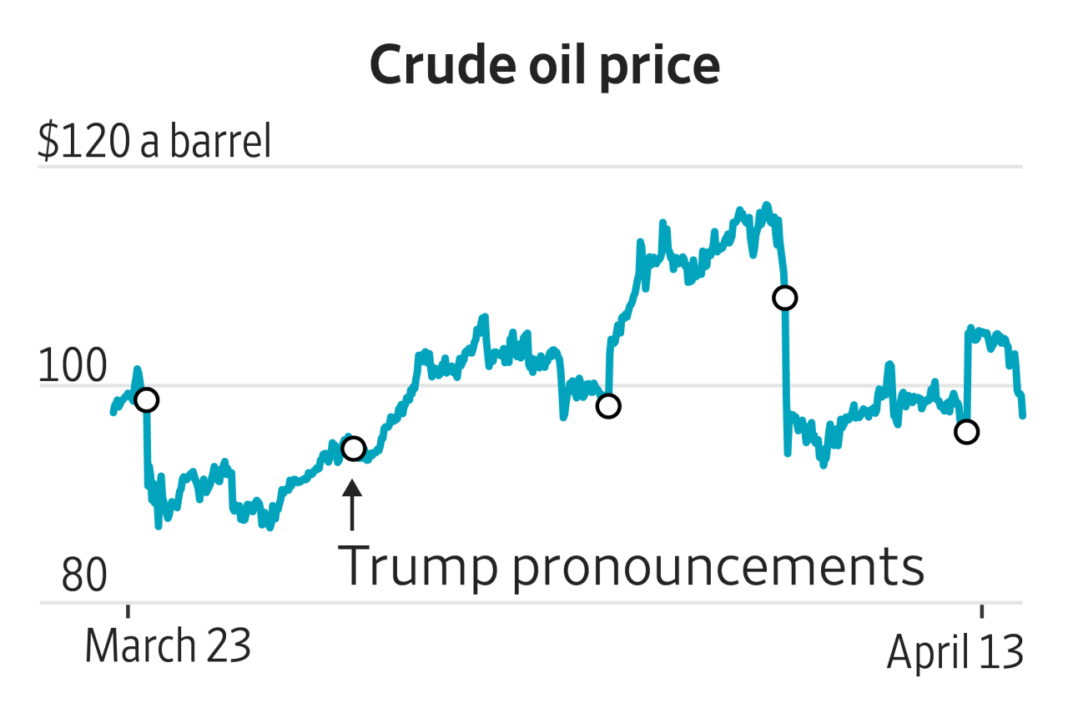
Recent policy shifts toward Iran have created significant market volatility. These rapid changes in geopolitical stance directly impact investment prices across multiple sectors.
Oil prices have been particularly sensitive to the evolving situation. Each announcement or perceived shift in strategy triggers immediate buying or selling. This creates a turbulent trading environment for energy commodities.
Global stock indices also react to the heightened uncertainty. Investors quickly reassess risk, leading to sharp movements in equity markets. The instability influences broader financial sentiment.
Safe-haven assets like gold and government bonds see increased demand during these periods. Capital flows toward these traditional shelters during times of international tension. This movement further illustrates the market’s nervousness.
Currency markets are not immune to the fluctuations. The U.S. dollar often experiences volatility as its role as a global reserve currency comes into focus. Exchange rates can shift with each new development.
The overall effect is a whipsaw pattern across financial instruments. Traders and long-term investors alike must navigate this unpredictable landscape. Clarity on foreign policy is crucial for market stability.
This series of events underscores the deep connection between geopolitics and finance. Market participants will continue to watch for consistent signals. Lasting calm likely depends on a more predictable international approach.