Global oil prices on Thursday fell to their lowest level since the U.S.-Israeli conflict with Iran began nearly four months ago. Prices have dropped more than 30% from their May peak. That decline likely prevents the disaster many commodity experts had anticipated from one of the largest crude supply shortages in history.
The sharp price drop offers key insights into global oil demand and China’s role in the market. Traders learned that demand can shift quickly, even amid major supply disruptions. The initial shock of conflict-driven supply fears gave way to weaker consumption signals.
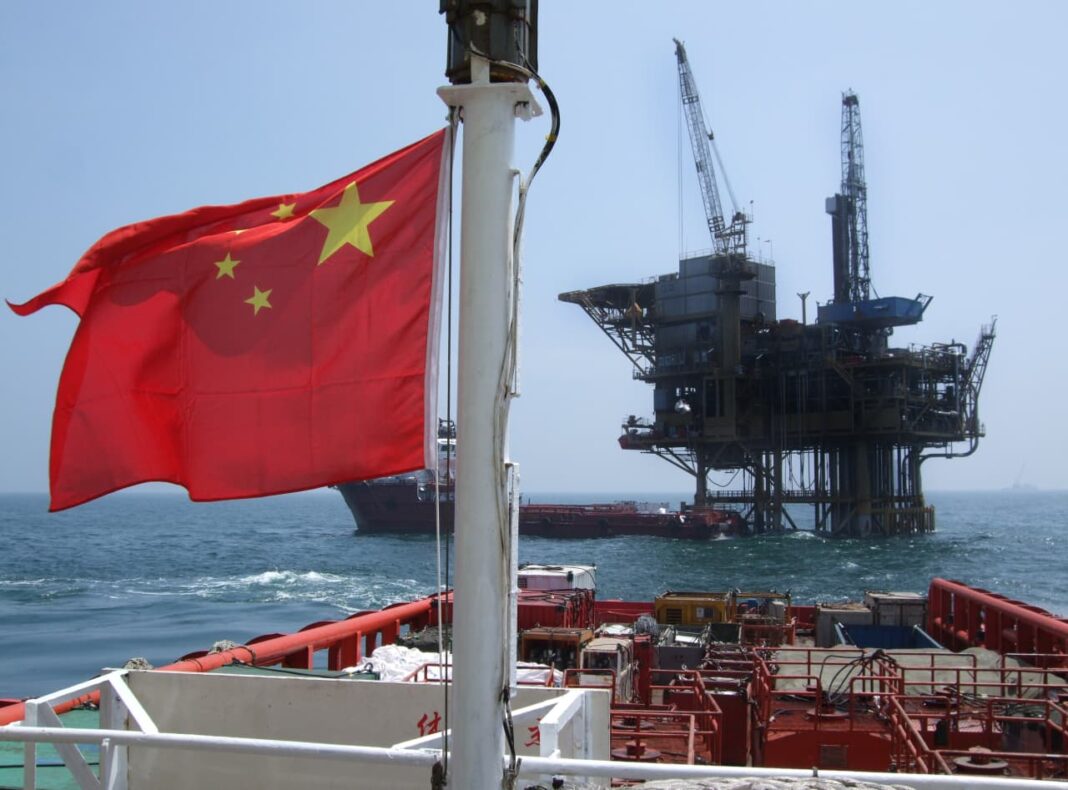
China, the world’s largest crude importer, played a central role in shaping these lessons. Slower economic growth and reduced industrial activity in China tempered demand expectations. Traders had to adjust their positions as Chinese buying slowed, despite the geopolitical tension.
The crisis also highlighted how traders overestimated the immediate impact of supply shortages. Strategic reserves and alternative sources helped buffer the market. The rapid price decline showed that supply fears can drive prices up, but demand realities ultimately set the floor.
Another lesson involved the effectiveness of hedging strategies. Traders who locked in prices before the conflict benefited from the initial spike. Those who waited faced steep losses as demand weakened and prices reversed.
The situation also tested assumptions about OPEC’s ability to manage supply. The cartel’s production increases, along with output from other countries, helped offset Iranian losses. This reduced the panic that often drives prices higher.
For investors, the episode reinforced the importance of tracking real-time demand data. Indicators like refinery runs and shipping volumes became more critical than geopolitical headlines. The focus shifted from supply threats to actual consumption trends.
Traders now view future risks with more caution. The Iran shock taught them that supply disruptions do not guarantee prolonged price spikes. Demand, particularly from China, remains the more powerful factor in oil markets.