A three-judge appeals panel has overturned a lower court ruling that required the federal government to include a mention of slavery at a historic Philadelphia home once occupied by George Washington.
The court determined that the city could not force the National Park Service to restore a specific memorial and historical display at the President’s House site. The ruling focused on the limits of local government authority over federal property.
The appeals panel found that the lower court’s order overstepped legal boundaries. It stated that the federal government holds discretion over how it interprets and presents history at its own sites.
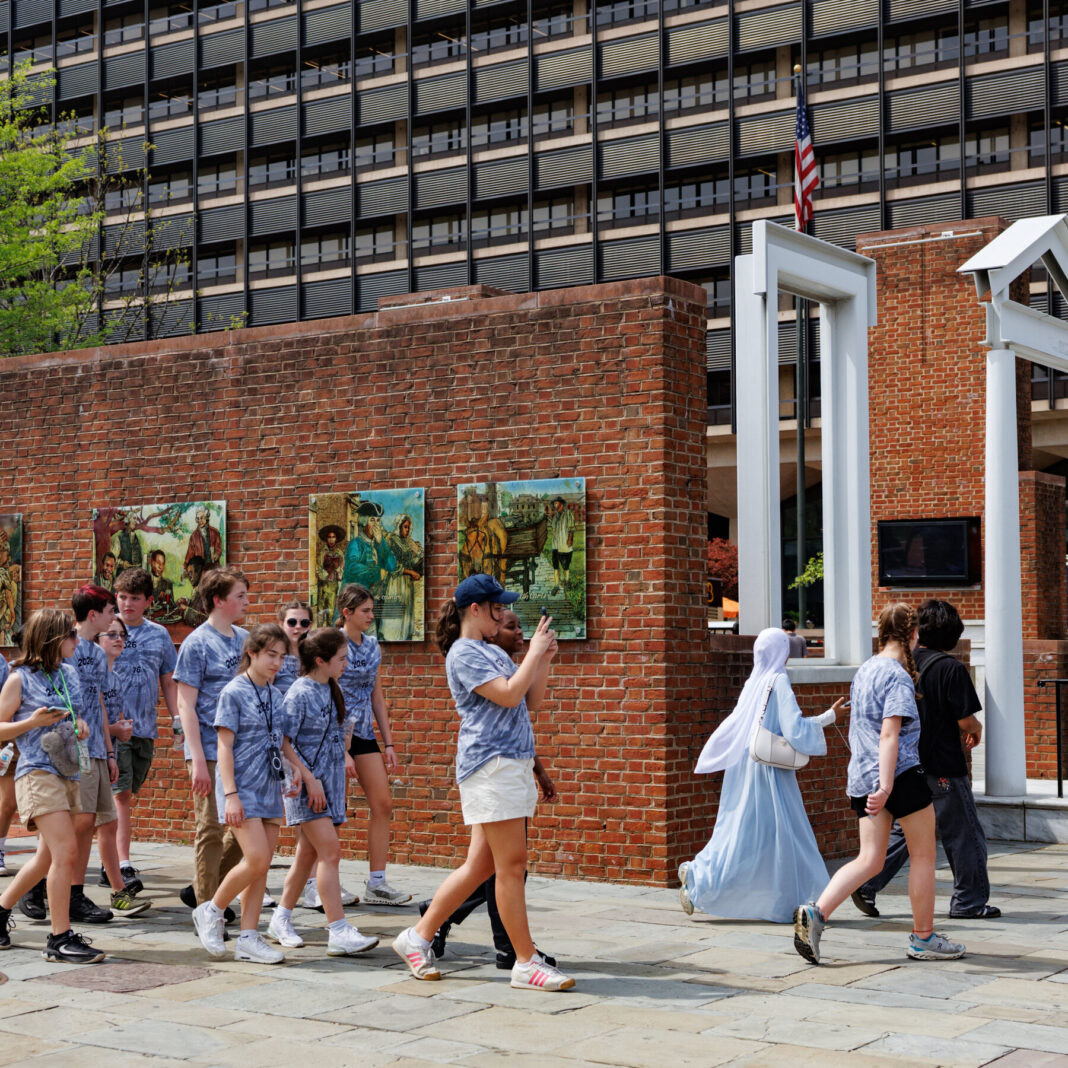
The President’s House site, located near Independence Hall, was Washington’s residence during his presidency. Historical records show that enslaved people lived and worked there, serving the first president.
A previous memorial and exhibit had acknowledged this history, but it was later removed and altered. Activists and city officials argued that the full story was being erased from the site.
The appeals court did not rule on the historical accuracy of the display. Instead, it focused purely on whether the city had the legal authority to mandate its content.
The National Park Service has not yet announced its plans for the site’s future interpretation. The city of Philadelphia expressed disappointment with the ruling.
The case highlights ongoing tensions over how public memory of slavery is presented at national historic landmarks. The decision sets a precedent for federal control over historical narratives on federal land.