The recent Supreme Court decision to strike down “majority-minority” House districts reshaped the political landscape. These districts previously sent a surge of Black and Hispanic lawmakers to Congress. They also opened opportunities for the Republican Party in the South.
The ruling affected districts designed to concentrate minority voters. This concentrated voting power allowed minority candidates to win elections. It also removed Democratic-leaning voters from surrounding areas.
With those voters removed, neighboring districts became more conservative. Republicans gained seats in states like Georgia, Alabama, and Louisiana. The GOP’s Southern ascendancy built on this shift over the past decade.
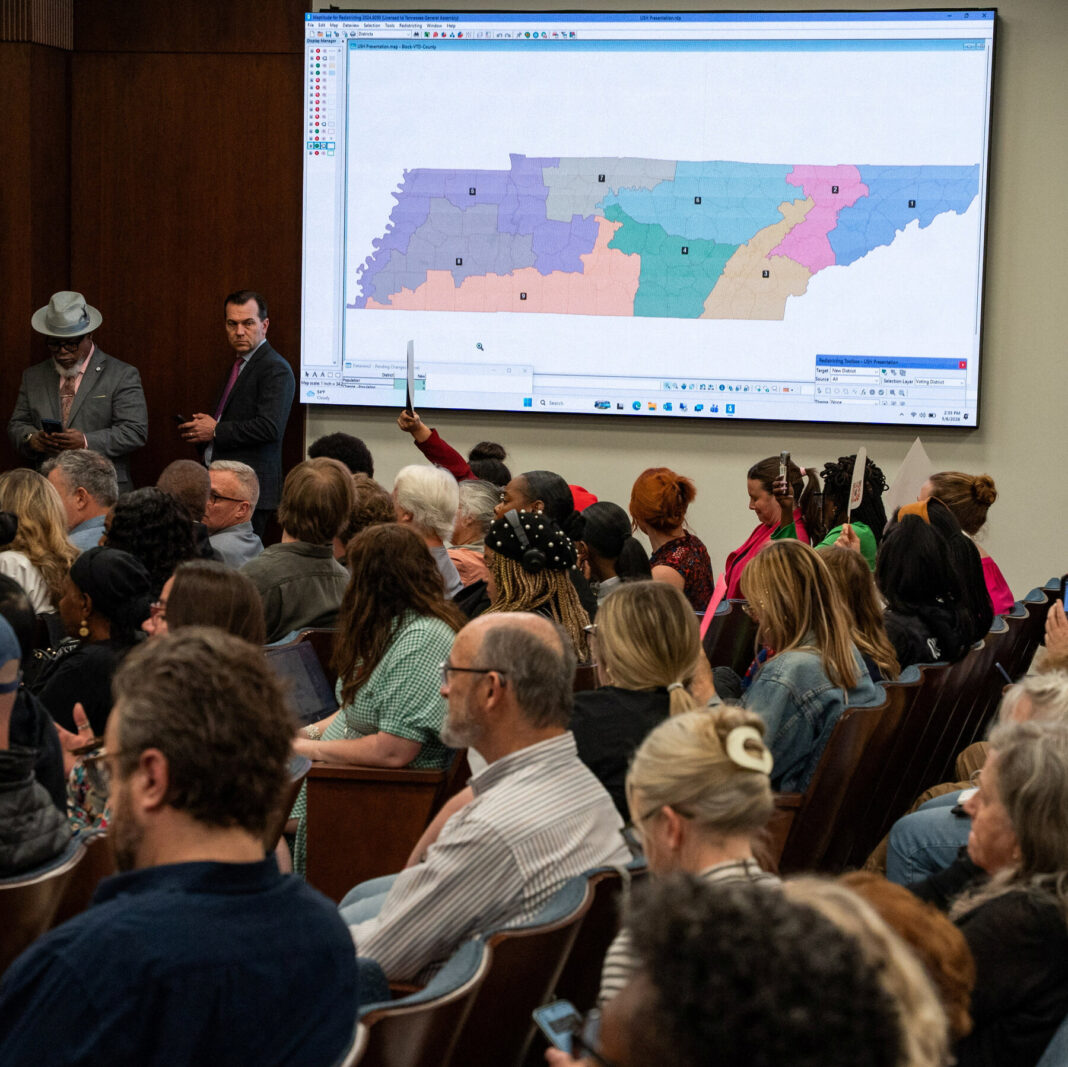
Critics argue the districts created racial gerrymandering. They say packing minority voters into one district diluted their influence elsewhere. This allowed Republicans to win more seats overall.
Supporters of the districts say they ensured minority representation. They point to historic gains in Congress for Black and Hispanic lawmakers. Without these districts, minority candidates often struggle to win.
The Supreme Court found the districts violated the Equal Protection Clause. The ruling required states to redraw their maps. This sparked new legal battles over fair representation.
The decision’s impact will likely affect future election cycles. It could shift the balance of power in closely divided districts. Both parties are now adjusting their strategies for the next decade.