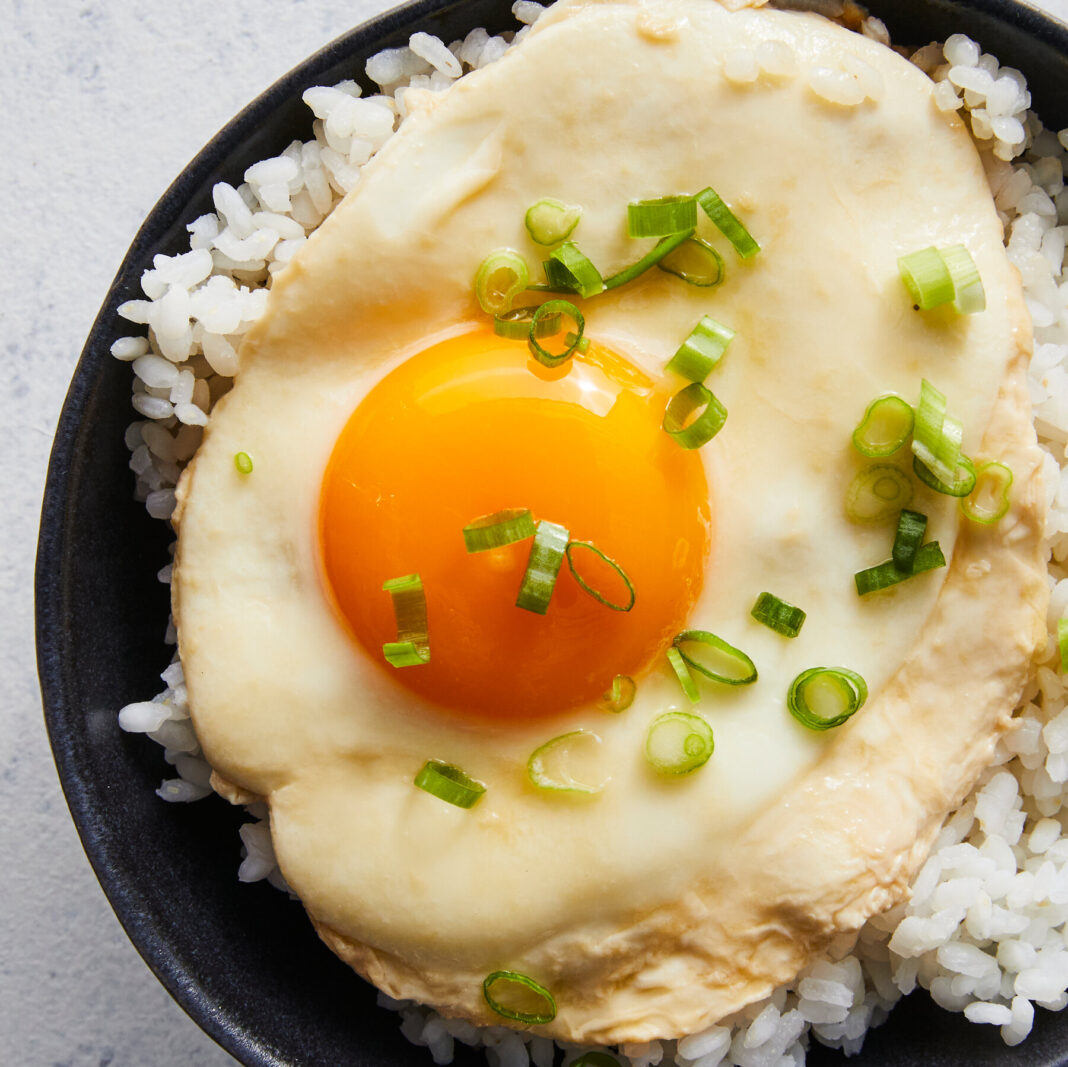
Basting an egg is a simple technique that produces a tender result, distinct from frying or poaching. The method involves adding liquid to the pan and using it to gently cook the top of the egg. This approach ensures the white is fully set while the yolk remains soft and runny.
Eric Kim, a columnist for The New York Times, recommends using broth instead of water or butter for basting. The broth adds flavor while creating steam that surrounds the egg. This steam cooks the top of the egg evenly without needing to flip it over.
The technique works best in a covered skillet, as the lid traps the steam. A small amount of broth, roughly a tablespoon, is typically sufficient for one or two eggs. The liquid should be added after the egg’s edges begin to set in the pan.
As the broth heats, it produces steam that gently cooks the upper surface of the egg. This results in a fully set white with a soft, silky texture. The yolk stays liquid, offering a rich contrast to the tender white.
Basting with broth also reduces the need for excess fat, making it a lighter alternative to butter-basting. The flavor of the broth can complement the egg, whether using chicken, vegetable, or beef stock. This versatility allows for easy adaptation to different dishes.
The process takes only a few minutes from start to finish. Once the white is set and the yolk is still soft, the egg is ready to serve. Care should be taken when removing the lid to avoid condensation dripping onto the egg.
This method suits home cooks looking for a reliable way to achieve consistently tender eggs. It requires minimal ingredients and equipment, making it accessible for beginners. Experienced cooks can also appreciate the control it offers over texture and doneness.
Basting with broth is a practical variation on the classic sunny-side-up style. It delivers a delicate, moist result that differs from crisper fried eggs. For those seeking a softer finish, this technique is worth trying.