Traveling with a panic disorder requires planning, not avoidance. Experts say preparation can reduce the unpredictability that often triggers attacks.
Start by choosing destinations with easy access to medical care. Research hospitals and clinics near your hotel before booking. Knowing help is nearby offers a critical safety net.
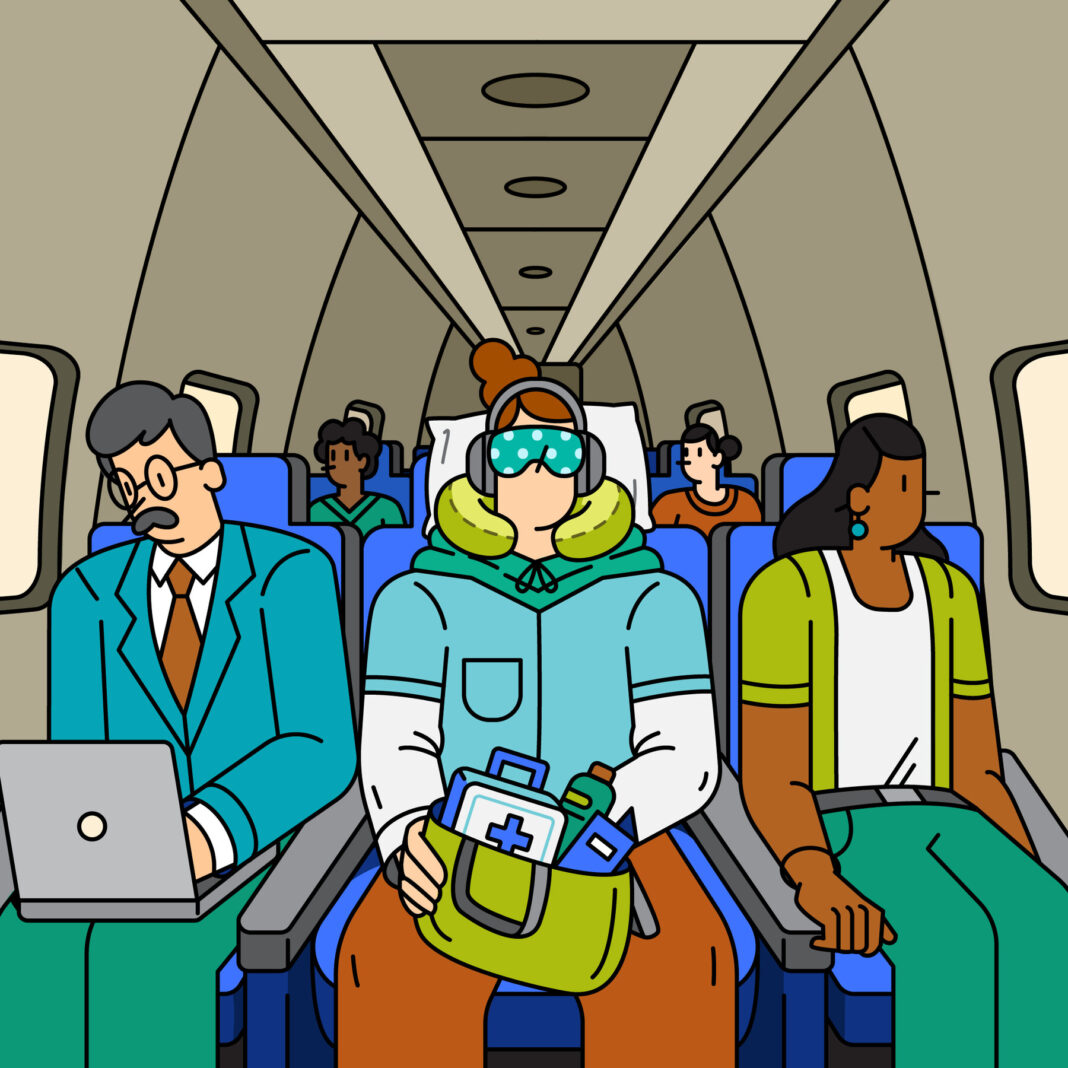
Pack a “panic kit” with items that ground you. Include noise-canceling headphones, a familiar scent, or a stress ball. These tools can interrupt escalating anxiety during a flight or unfamiliar setting.
Inform a trusted travel companion about your condition. Brief them on simple steps to help during an episode. Their calm presence can prevent panic from spiraling into a full attack.
Schedule downtime into each day. Overpacking itineraries can spike stress levels. Allow time for rest between activities to keep your nervous system regulated.
Practice breathing exercises before and during travel. Controlled, slow breathing signals your body to relax. Even a few minutes can lower heart rate and ease physical tension.
If an attack happens, remove yourself from crowded areas when possible. Find a quiet corner or restroom to focus on recovery. Do not force yourself to continue the activity immediately.
Reframe travel as a series of small victories, not a single perfect trip. Each successful outing builds confidence. Panic does not have to define your ability to explore the world.