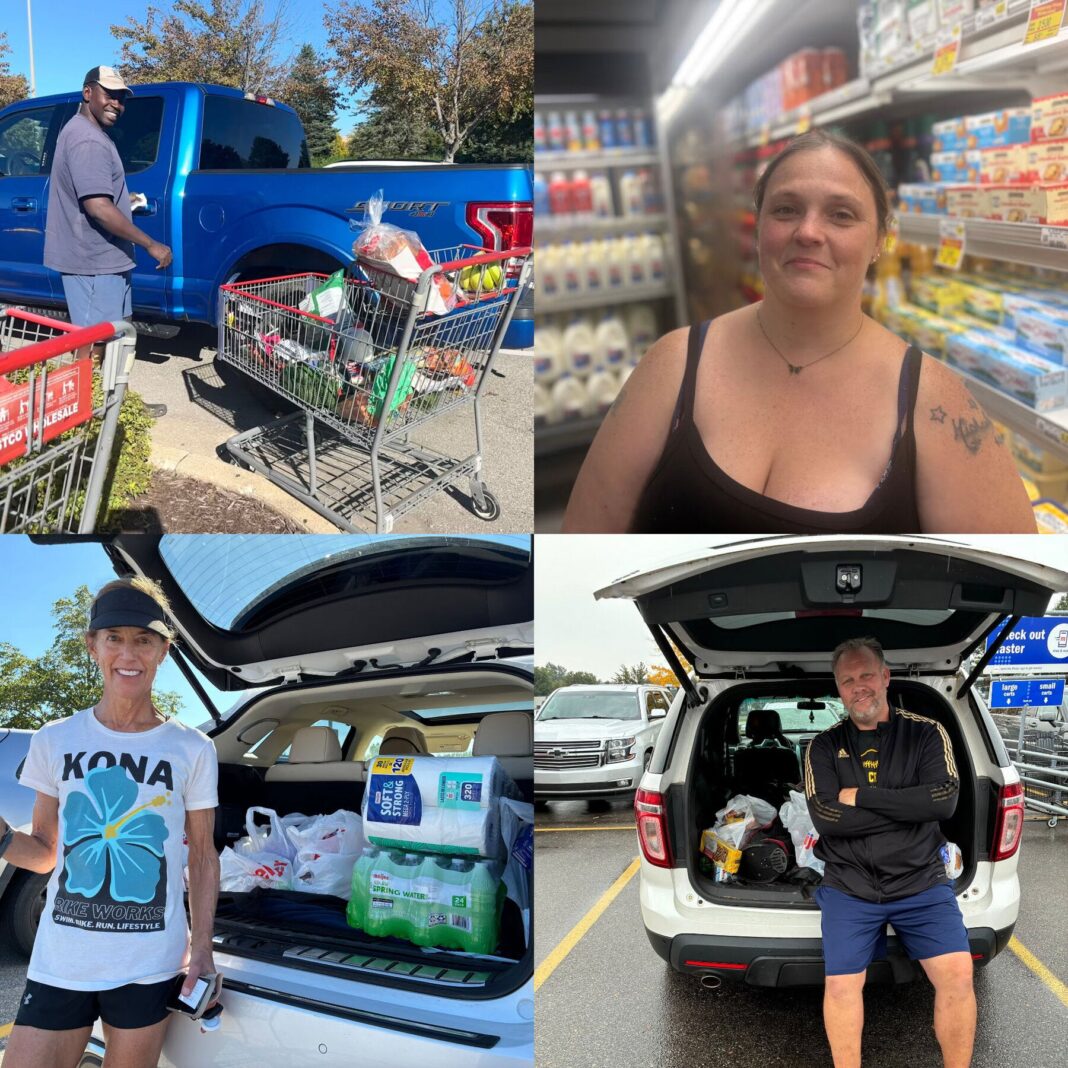
As midterm elections approach, grocery prices remain a central concern for many voters. Some Trump supporters express frustration over the cost of everyday goods. Others continue to stand firmly behind the president.
Shopping carts tell a story of strained budgets across the country. Essentials like eggs, milk, and bread have seen noticeable price jumps. These increases weigh heavily on households with fixed incomes.
Several voters say the president’s economic policies deserve more time to work. They point to wages that have risen in some sectors. For them, loyalty outweighs short-term financial pain.
Critics argue that tariffs and trade fights have driven costs higher. They say the administration has not done enough to ease the burden. This view resonates with some who voted for Trump in the last election.
In key battleground states, grocery bills are a frequent topic of conversation. Candidates from both parties are addressing the issue on the trail. The party that connects best with these concerns may gain an edge.
Economic data shows food prices rising faster than overall inflation. This trend affects voter sentiment regardless of political affiliation. It also complicates the picture for incumbents seeking reelection.
With the midterms nearing, the president’s base remains a critical factor. Their willingness to tolerate higher prices could shape turnout. How they feel in November may determine the outcome in close races.