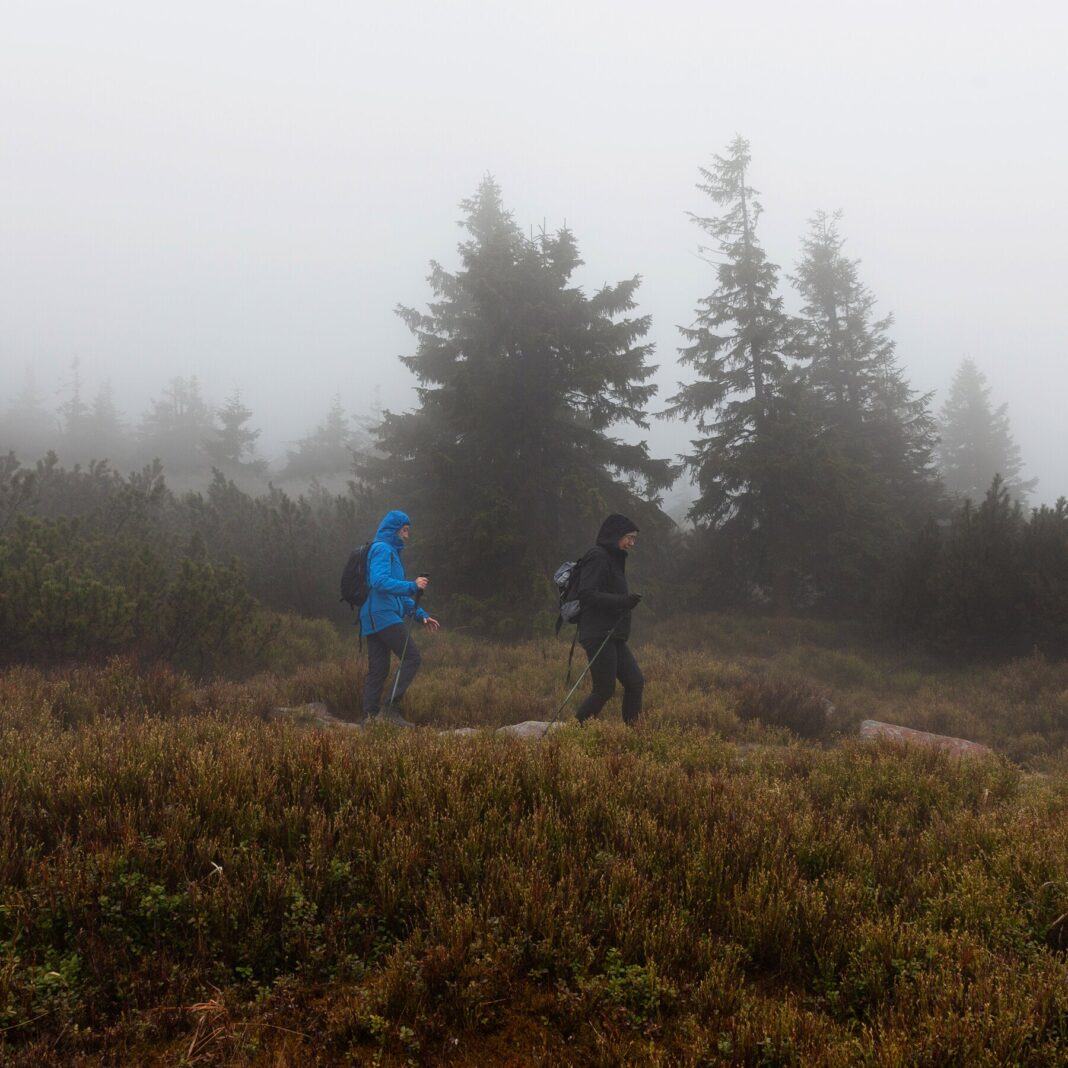
The Polish-Czech Friendship Trail winds through the Krkonoše Mountains along the border of the two countries. During the Cold War, dissidents from Poland and Czechoslovakia secretly met on this path. They gathered to discuss resistance efforts against Communist governments.
The trail stretches roughly 30 kilometers through forests and alpine meadows. It crosses the border at several points, marked by simple stone posts. Hikers today pass through quiet terrain once used for covert meetings.
In the 1970s and 1980s, activists from both nations used the remote route to avoid state surveillance. Figures like Václav Havel and Adam Michnik reportedly took part in these discussions. The meetings helped coordinate opposition movements across the Iron Curtain.
The path was not officially named until after the fall of Communism in 1989. Local hiking groups and historians later designated it as a memorial route. Signs now describe the trail’s political history in Polish and Czech.
Modern hikers encounter moderate elevations and well-maintained paths. The route typically takes two to three days to complete. Shelters and mountain huts offer overnight stays along the way.
The trail begins near the Czech town of Harrachov and ends near Szklarska Poręba in Poland. Both ends are accessible by train and bus. Summer and early autumn are the most popular seasons for walking.
Interest in the trail has grown as travelers seek routes with historical meaning. Local tourism boards promote it as both a recreational and educational experience. Guided walks sometimes include lectures on Central European dissident history.
The Polish-Czech Friendship Trail remains a living reminder of cross-border solidarity. It shows how landscape and political struggle can intertwine. For many visitors, the hike offers a quiet encounter with a contested past.