I Shopped at Olive Young in Korea and the US. Here’s the Biggest Difference
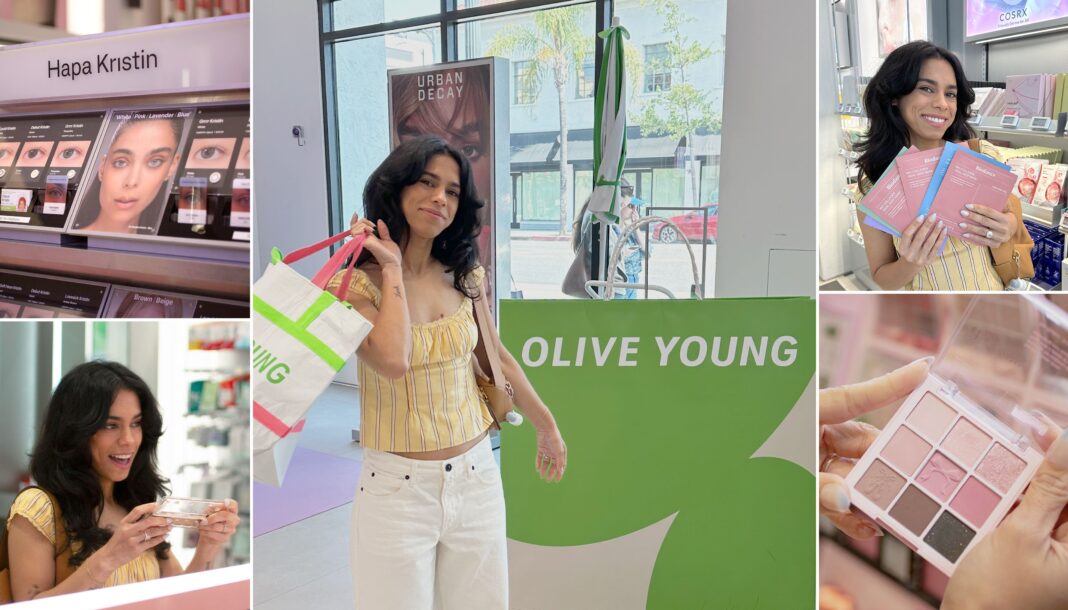
A wall of face masks, in-store skin analysis, and lip tints galore define the Olive Young experience. The differences between shopping at the South Korean beauty retailer in Korea versus the United States are striking. The most significant contrast lies in the counter service model used in Korea.
In Korean Olive Young stores, beauty advisors actively assist customers upon entry. They offer personalized recommendations based on skin type and concerns. This hands-on approach makes shopping feel more guided and efficient.
The US locations rely more on self-service browsing. Customers navigate aisles independently without dedicated staff assistance. This creates a more familiar but less interactive shopping environment.
Product availability also varies between the two markets. Korean stores stock a wider range of emerging brands and exclusive releases. US stores focus on established K-beauty favorites already popular with American consumers.
In-store technology further separates the experiences. Korean branches often feature skin analysis devices that scan and assess skin condition. This gives shoppers data-driven product suggestions tailored to their needs.
Pricing and promotions differ as well. Korean stores frequently offer bulk discounts and free samples with purchases. US locations tend to have standard retail pricing without the same promotional culture.
The overall atmosphere reflects these operational differences. Korean stores feel dynamic and service-oriented, with staff guiding discovery. US stores present a curated but quieter retail experience.
For K-beauty enthusiasts, the Korean Olive Young delivers a more immersive and consultative shopping trip. The US version remains a convenient option but lacks that personalized touch.