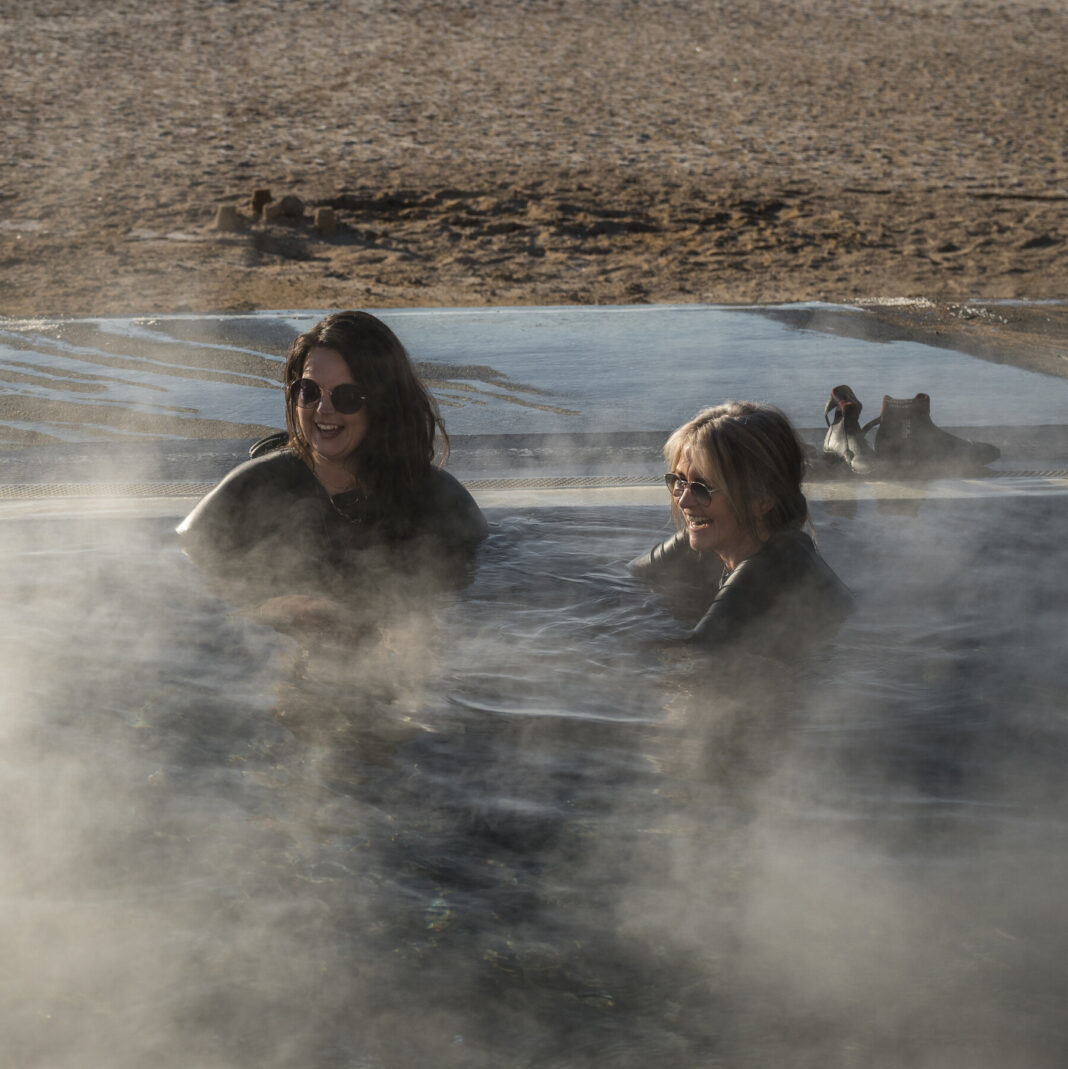
Iceland’s public swimming pools and hot tubs have been added to UNESCO’s cultural heritage list. The designation recognizes their role as social gathering spaces central to Icelandic life. Not all Icelanders welcome the honor.
UNESCO included the tradition of geothermal pool culture in its Register of Good Safeguarding Practices. The decision highlights how communities use these spaces to connect, relax, and share stories. The pools are more than recreational facilities—they function as informal social arenas.
Many Icelanders worry the UNESCO label will accelerate tourism. Tourists already flock to the country’s geothermal spas, such as the Blue Lagoon. Locals fear their everyday pools will become crowded with visitors seeking a curated cultural experience.
Some residents report changing behavior in public pools. They say tourists often treat the sites as attractions rather than community hubs. This disrupts the quiet, convivial atmosphere locals value.
Proponents argue UNESCO recognition preserves an important tradition. It could fund maintenance and promote local customs. Supporters believe awareness might encourage respectful visitor conduct.
But local skepticism runs deep. Icelanders have seen tourism transform other natural and cultural sites. They want the pools to remain places for neighbors, not additions to a travel itinerary.
The debate reflects a broader tension in Iceland. The country balances its growing tourism economy with protecting everyday life. UNESCO’s label may bring prestige, but locals still guard their hot tub conversations.