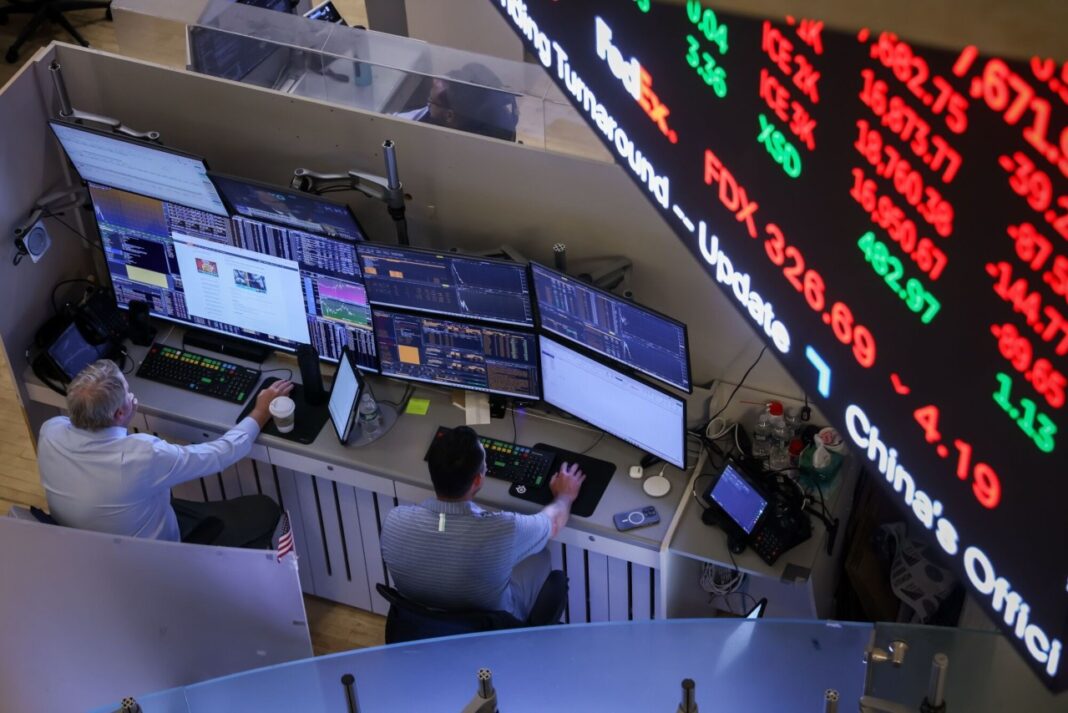
Investors are preparing for increased market volatility this autumn as the Federal Reserve’s policy decisions and new inflation data move back into focus. After a relatively calm summer on Wall Street, the upcoming months are expected to bring sharper price swings and heightened uncertainty. The shift in tone reflects a growing awareness that interest rates may stay higher for longer than many had previously anticipated.
The central bank’s next moves will be closely scrutinized, with market participants parsing every statement for signals about the pace of future rate adjustments. Recent economic reports have shown mixed signals, leaving traders uncertain about the trajectory of monetary policy. This ambiguity is likely to contribute to a more turbulent trading environment as the quarter progresses.
Inflation remains a key variable influencing investor sentiment. While headline price increases have moderated from their peaks, core inflation measures continue to run above the Fed’s comfort zone. This persistent pressure complicates the central bank’s task of balancing growth support with price stability. Investors will be watching upcoming consumer price index releases for clearer direction.
Corporate earnings season may also amplify market moves, as companies navigate a landscape of elevated borrowing costs and softening consumer demand. Sectors that thrived during the low-rate era could face particular strain. Meanwhile, safe-haven assets like Treasuries are experiencing renewed demand as portfolios reposition for potential downside risks.
Beyond domestic concerns, geopolitical tensions are adding another layer of complexity. In a separate development, reports highlight how drones are increasingly appearing in NATO airspace across Europe, raising security questions among member states. These incursions underscore the broader geopolitical instability that can ripple through global financial markets.
For individual investors, the advice from financial professionals leans toward maintaining diversified portfolios and avoiding reactionary trades. The choppier conditions do not necessarily signal a prolonged downturn, but they do call for patience and a focus on long-term objectives. Historical patterns suggest that volatility often creates opportunities for disciplined asset allocation.
Market strategists note that the fall calendar is packed with potential catalysts, from Fed meetings to geopolitical flashpoints. Liquidity tends to thin out during this period, which can exaggerate price movements in either direction. As such, expecting a smooth path forward would be unwise, and prudence is the prevailing theme among institutional investors.
Ultimately, the coming weeks will test investor resilience. The interplay between monetary policy, inflation data, and external shocks will dictate the market’s tone. While no one can predict the exact course, preparing for a bumpier ride appears to be the consensus strategy for the season ahead.