Iran prepares for a deteriorating economic outlook as it braces for renewed pressure from the Trump administration. Officials in Tehran are reportedly adjusting fiscal policies and contingency plans to counter the impact of stricter sanctions and reduced foreign investment. The move signals a longer-term strategy to manage domestic stability amid shrinking oil revenues and mounting inflation.
The preparation comes after Washington signaled a return to its maximum-pressure campaign, targeting Iran’s energy exports and banking sector. Analysts note that Tehran has learned from previous rounds of sanctions, which cut crude shipments and strangled access to global financial systems. This time, the government aims to cushion the blow by diversifying trade partners and boosting non-oil exports.
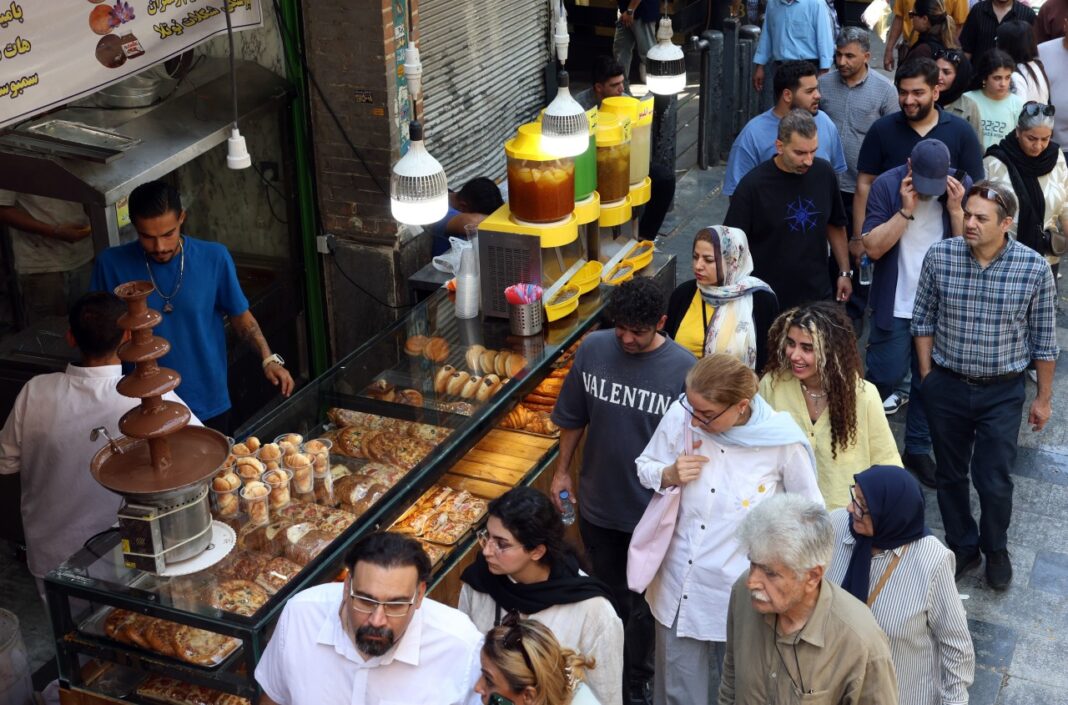
Internal measures are also being discussed to address rising consumer prices and currency depreciation. The rial has already lost significant value against the dollar in recent months, squeezing household purchasing power. State subsidies on basic goods remain a critical tool, but their cost strains the national budget as resources dwindle.
Tehran’s preparations include efforts to shore up domestic production and reduce import dependence. Local industries are being encouraged to fill gaps left by foreign suppliers, particularly in agriculture and manufacturing. Yet experts caution that structural weaknesses, such as high unemployment and corruption, will limit the effectiveness of such measures.
Meanwhile, regional tensions add another layer of complexity. The report follows news that Trump secretly switched planes after being briefed on a potential Iranian threat. The precaution underscores the volatile security environment, even as economic warfare takes center stage.
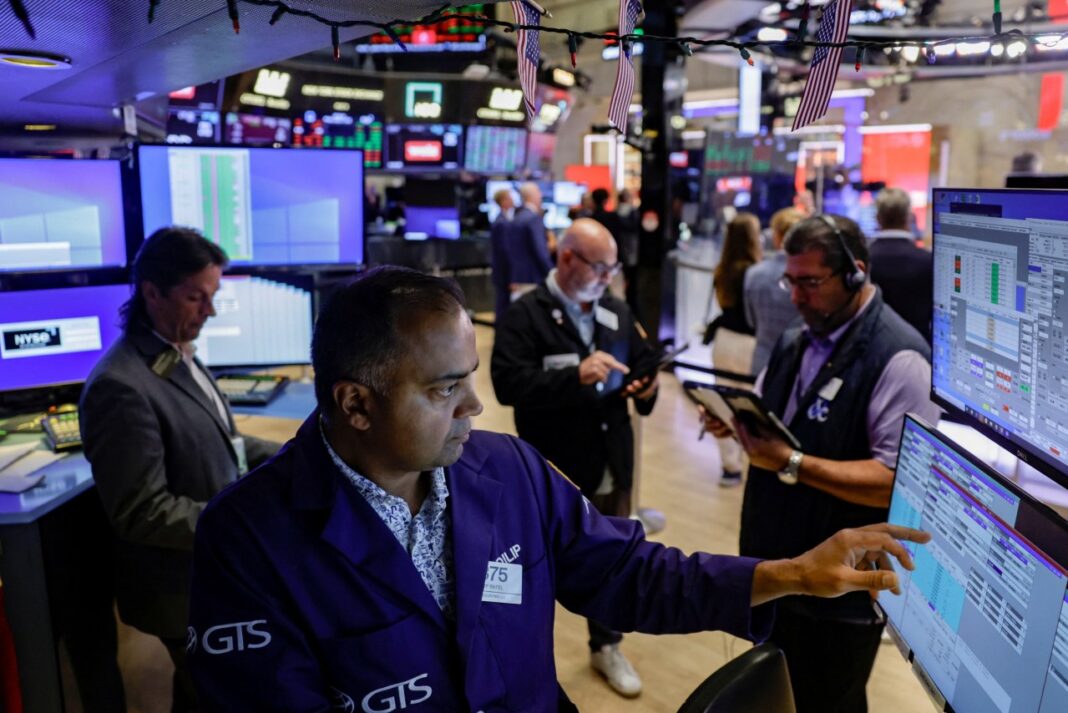
In parallel, private-credit firms are tightening lending practices, clamping down on loan sweeteners that once attracted borrowers. This shift reflects broader caution in financial markets amid global uncertainty, though its connection to Iran-related sanctions remains indirect.
For Iran, the path forward involves balancing external pressure with internal resilience. The government’s ability to manage public expectations will be tested as living conditions worsen. Without meaningful relief, social unrest could emerge as a key risk, complicating any diplomatic overtures.
Observers say Iran’s leadership is betting on patience, hoping to outlast U.S. resolve as it did in earlier standoffs. But economic fatigue may prove harder to endure than political isolation. The coming months will reveal whether Tehran’s preparations are enough to weather the storm.