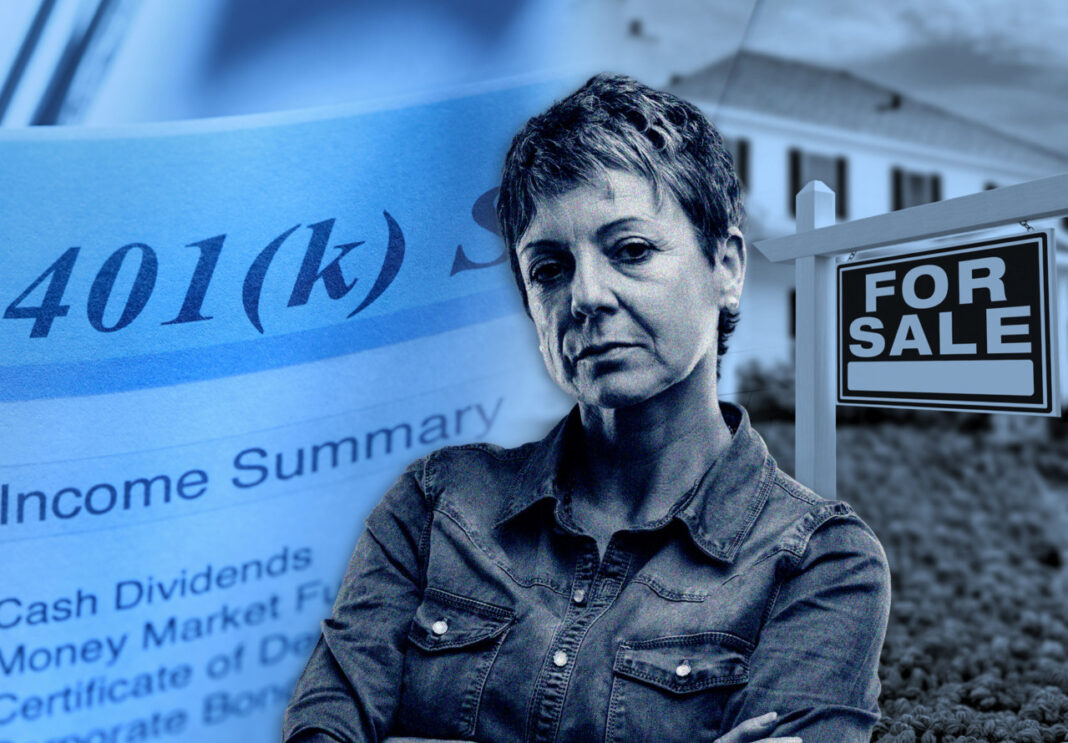
At 68, the decision to spend half of a 401(k) on a home purchase involves a complex trade-off between housing stability and long-term financial security. The question becomes whether a mortgage in retirement is a manageable expense or a risk that could deplete essential savings.
A primary concern is the immediate reduction in liquid assets. Withdrawing half of a retirement account reduces the cushion available for unexpected medical costs, home repairs, or market downturns. The remaining balance must then support daily living expenses and any outstanding debts, which requires careful projection of future cash flow.
Taking on a mortgage at this age shifts the monthly budget from saving to fixed debt payments. The size of the loan, interest rate, and term length will determine the strain on income from Social Security, pensions, or part-time work. A shorter loan term raises payments but reduces long-term interest costs, while a longer term lowers monthly obligations at the expense of total interest paid.
Another factor is the tax impact of a large 401(k) withdrawal. A lump-sum distribution could push the individual into a higher tax bracket for that year, reducing the actual amount available for the home purchase. Spreading withdrawals over multiple years might mitigate this burden, but it requires a delayed timeline for buying.
Homeownership offers non-financial benefits that could justify the cost. Stability of monthly housing payments, control over living space, and the ability to age in place are significant advantages over renting, where costs can rise unexpectedly. A paid-off home later could also serve as an asset for heirs or a source of equity if downsizing becomes necessary.
Renting, by contrast, preserves retirement savings for investment growth and avoids maintenance responsibilities, but it carries the uncertainty of lease renewals and rent hikes. The choice hinges on local housing markets, the availability of affordable rentals, and the individual’s health and mobility outlook.
Financial advisors often recommend stress-testing the plan against different scenarios, such as a market correction or a long-term care event. A sustainable approach might involve a smaller down payment or a home priced below the initial budget, leaving more cash in reserve.
The best path depends on specific assets, income sources, and personal priorities. A consultation with a fee-only financial planner can help model the outcome, factoring in tax rules, withdrawal strategies, and projected living costs. The decision requires balancing emotional desires for a home with the practical need for income security over the next two decades or more.