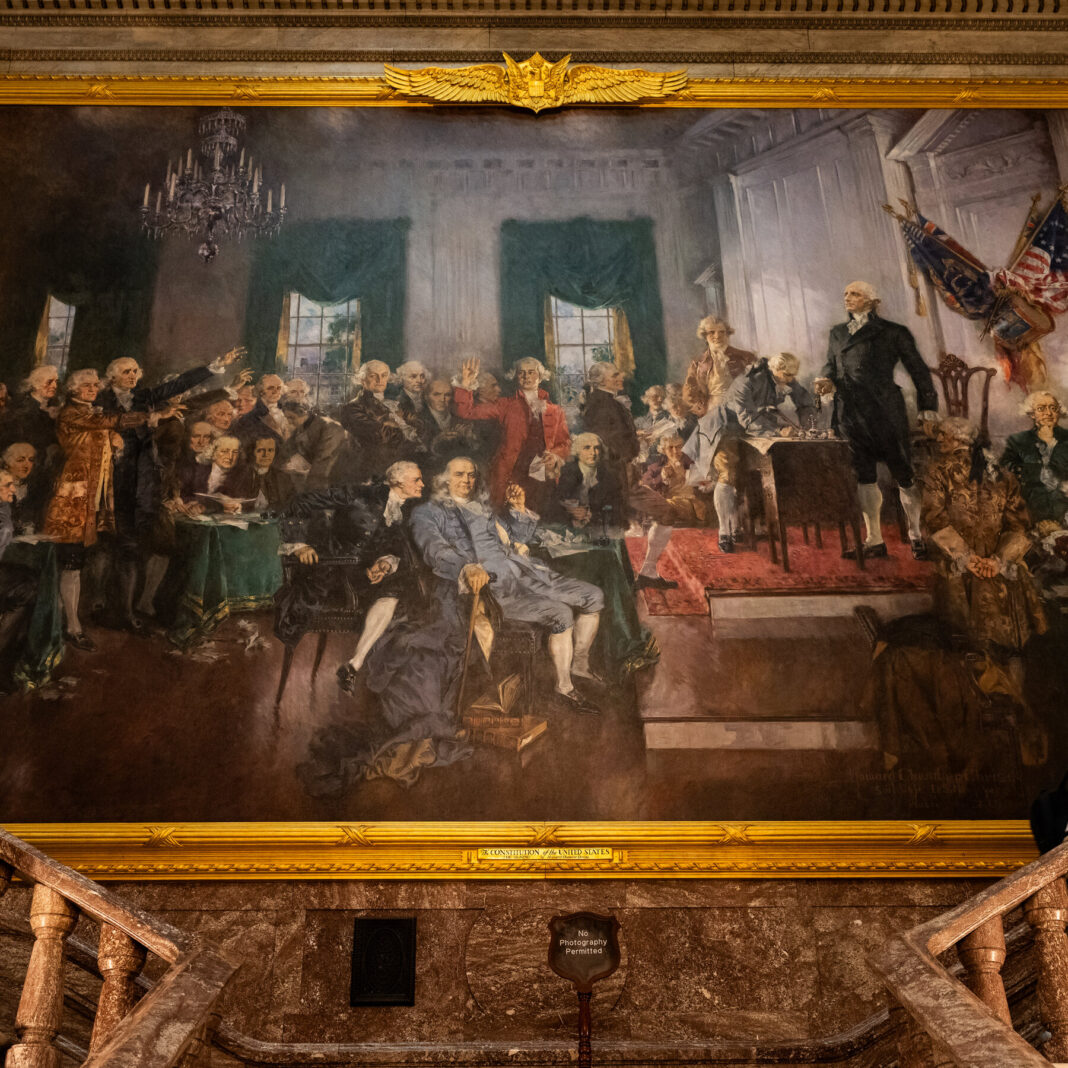
The drafters of the Constitution envisioned a presidency that was both energetic and accountable. They sought a strong executive, but one checked by Congress and the courts. Recent events have reignited a debate over whether the current occupant of the White House fits the very mold the Framers feared most.
Historical records show the Founding Fathers were deeply wary of demagogues. They designed the Electoral College and impeachment process as safeguards against populist figures. Critics argue these protections may have failed to prevent the rise of a leader who challenges institutional norms.
The Framers explicitly feared a president who would place personal loyalty above the rule of law. They worried about an executive who would use the office for private gain rather than public service. Some scholars now draw direct parallels between these historical anxieties and modern political behavior.
Structural tensions between the executive and legislative branches have become increasingly visible. The Framers expected Congress to serve as a powerful counterbalance to presidential ambition. However, partisan dynamics have often weakened this intended check on executive power.
Constitutional mechanisms like impeachment were designed for rare, grave circumstances. The Framers believed the process would deter serious misconduct. Yet, modern political polarization has transformed impeachment into a more frequent and partisan tool.
The courts have also played a central role in defining executive authority. The Framers anticipated judicial review as a final safeguard against overreach. Recent rulings have tested the boundaries of presidential immunity and accountability.
Ultimately, the debate reflects a tension as old as the republic itself. The Constitution balances the need for vigorous leadership with protections against tyranny. Whether the current presidency represents the fulfillment or failure of that design remains a contested question.