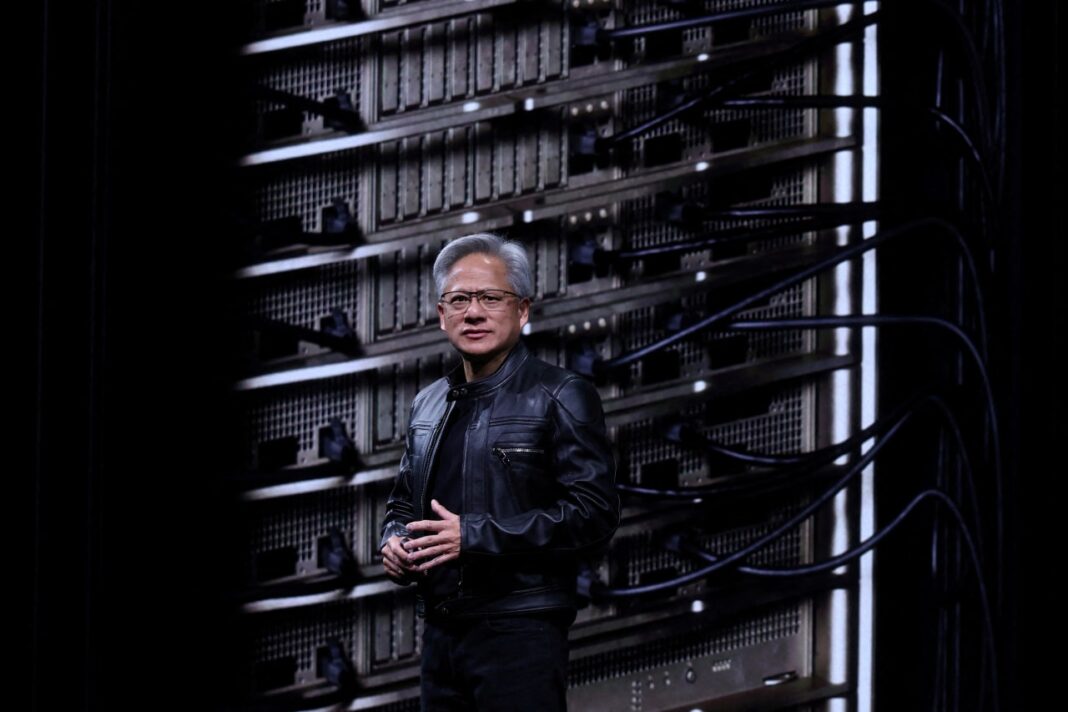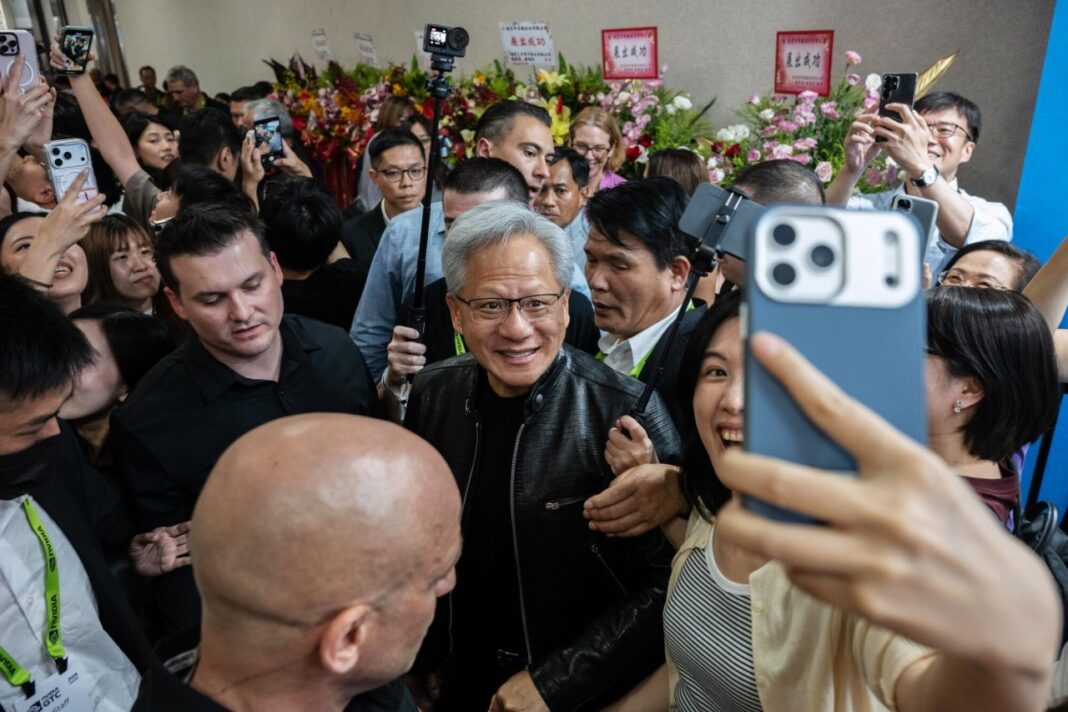
Nvidia’s leadership transition raises questions about the durability of the AI stock rally. The company built much of its market dominance around CEO Jensen Huang’s personal influence. His exit would test whether that success depends on one individual or on broader industry momentum.
The AI trade has split into two distinct camps. One group relies heavily on Huang’s backing and Nvidia’s ecosystem partnerships. The other group built its business without needing his chips or financing deals.
Companies closely tied to Huang’s patronage could face pressure if his departure shifts investor confidence. These firms benefited from Nvidia’s halo effect and access to its technology pipeline. Their valuations may now come under closer scrutiny.
Firms that developed independent AI strategies appear less exposed. They source chips from multiple vendors and avoid reliance on Nvidia’s financing arrangements. Their resilience offers a counterpoint to the great-man theory of corporate success.
The great-man theory holds that key individuals drive historical outcomes. Nvidia’s rise fits that narrative, with Huang as the central architect of its AI strategy. His exit will provide a real-world test of whether institutions can outlast their leaders.
Investors are watching for signs that Nvidia’s culture and roadmap can survive without Huang at the helm. The company’s deep bench of engineers and long-term contracts may cushion the shock. Still, market psychology often hinges on familiar faces.
The broader AI sector faces a moment of recalibration. Stock prices reflect expectations about future growth, not just current earnings. Leadership uncertainty adds a variable that quantitative models struggle to capture.
A smooth transition would reinforce confidence in Nvidia’s institutional strength. A messy exit could trigger volatility across the AI supply chain. Either outcome will inform how investors weigh founder risk in technology stocks.