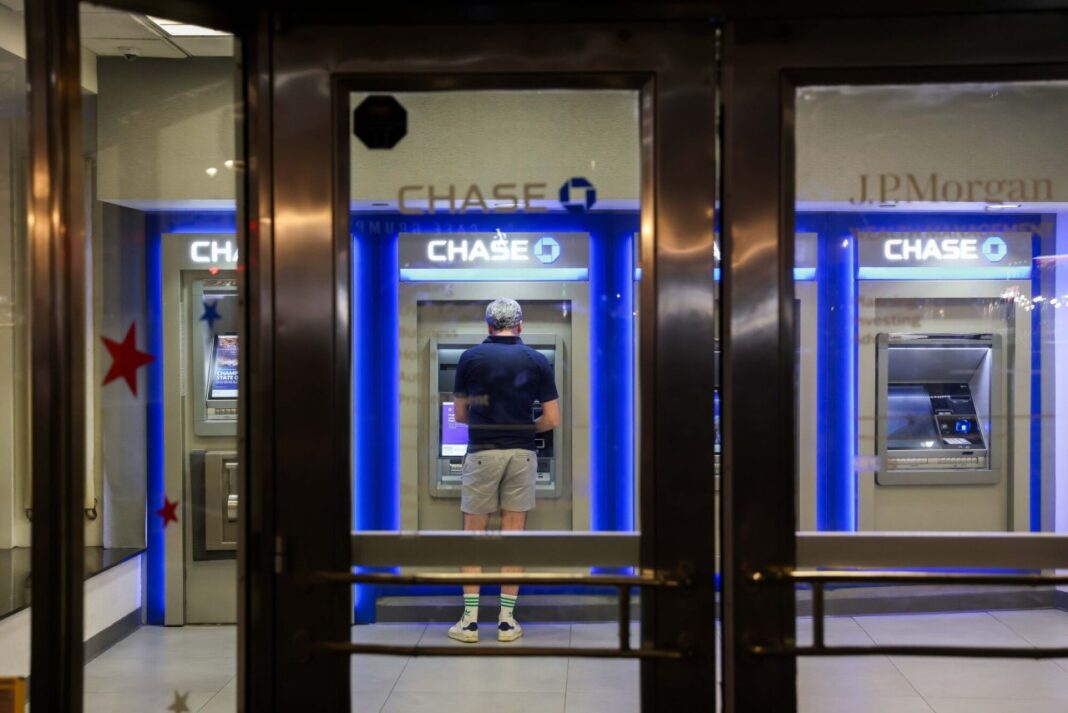
Federal prosecutors investigated allegations that JPMorgan Chase mishandled fraud cases involving customer reimbursements, according to reports. A former bank executive claimed the institution improperly denied refunds exceeding $100 million to victims of financial scams.
The inquiry centered on whistleblower accusations that the bank failed to follow proper procedures when reviewing disputed transactions. Prosecutors examined whether JPMorgan systematically rejected valid reimbursement claims from customers who lost money to fraudulent schemes.
The former executive, who raised the concerns internally, alleged that the bank’s processes were flawed and led to widespread denial of legitimate claims. The whistleblower contended that JPMorgan prioritized minimizing losses over protecting customers from fraud.
Specific details of the investigation, including its timeline and outcome, remain unclear. JPMorgan has not publicly commented on the allegations or the scope of the review. Prosecutors have not announced any charges or settlements related to the matter.
The case highlights ongoing scrutiny of how major banks handle fraud-related disputes with customers. Consumer advocates have long pressed financial institutions to improve transparency and accountability in reimbursement decisions.
JPMorgan, one of the largest U.S. banks, processes millions of transactions daily and faces regular complaints about disputed charges. Industry regulations require banks to investigate fraud claims promptly and fairly, though enforcement varies.
The investigation’s status is uncertain, and it is unknown whether any regulatory action will follow. For customers, the allegations underscore the importance of documenting fraud incidents and appealing denied claims through formal channels.
Banking experts note that whistleblower accounts often prompt internal reviews but rarely lead to public enforcement actions. The JPMorgan case may still influence how the industry addresses similar claim disputes moving forward.