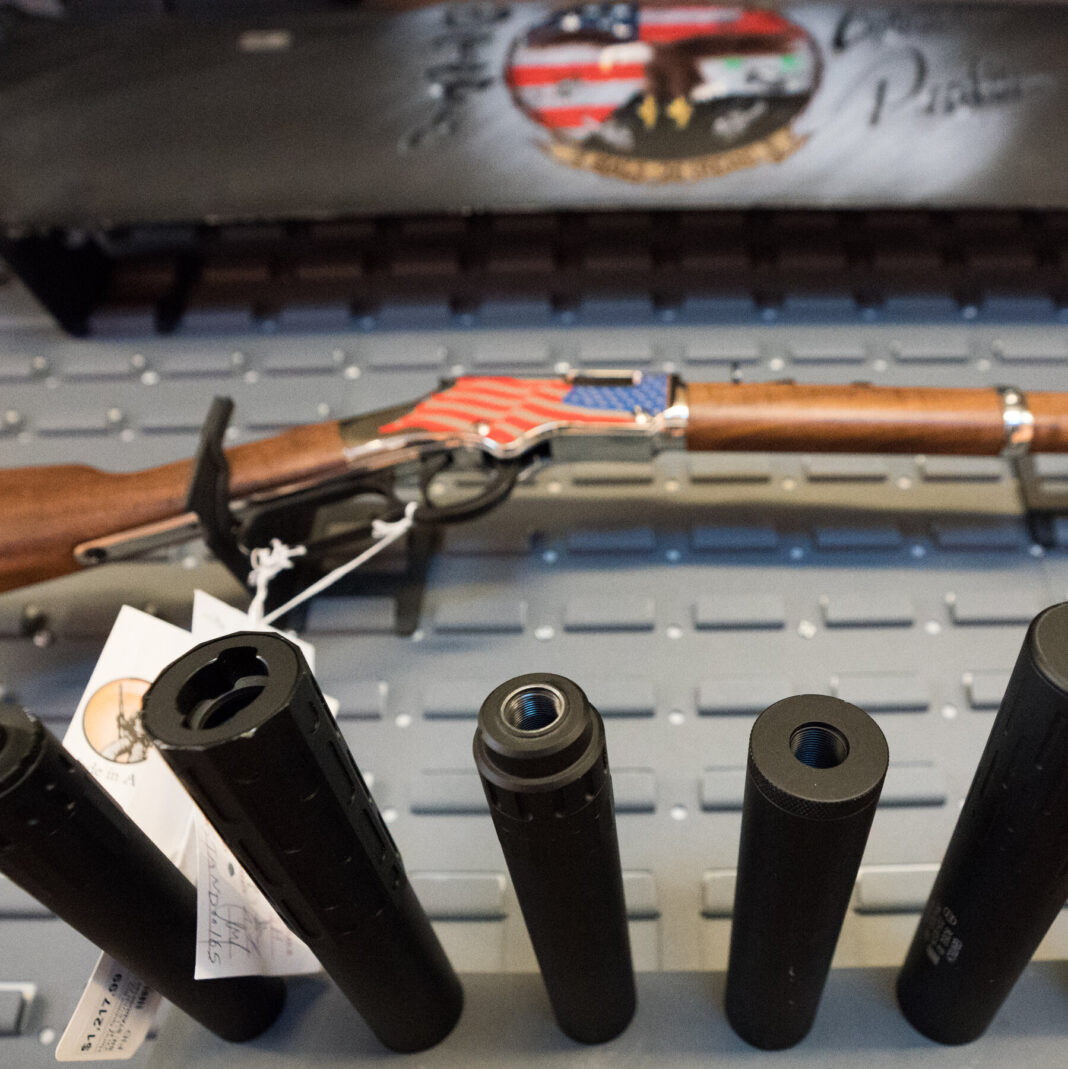
The Justice Department has quietly allowed a key provision of the National Firearms Act to expire. The move effectively dismantles a long-standing pillar of the Prohibition-era law. It marks a significant shift in federal firearms enforcement. The decision did not involve Congress or a public rulemaking process.
The lapse centers on regulatory oversight that previously required certain gun owners to register specific devices. Without that authority, the department has stopped enforcing those registration mandates. This removes a core mechanism for tracking firearms under federal law. The change was implemented internally without formal announcement.
Legal experts note the law itself remains on the books. However, the executive branch’s decision renders portions of it unenforceable. This creates a loophole where previous compliance is no longer required. The department has offered no public explanation for the retreat.
Gun control advocates have expressed alarm over the sudden policy shift. They argue the lapse undermines decades of public safety measures. Industry groups, however, view the action as a necessary correction to overreach. The divide highlights ongoing tensions in federal gun policy.
The National Firearms Act was originally enacted in 1934. It was designed to regulate machine guns, short-barreled rifles, and silencers. Strict registration and taxation were central to its enforcement framework. The recent action targets that foundational infrastructure.
Federal records show no pending legislation to restore the lapsed provisions. This leaves the policy in a legal gray area. Future administrations could reverse the decision with equal ease. For now, the status quo remains in effect.
The practical impact on gun owners is immediate. Previously required paperwork and fees are likely no longer processed. This reduces administrative burdens for individuals and dealers. Law enforcement agencies, though, lose a critical data source for investigations.
The Justice Department has not responded to requests for comment. The silence suggests a deliberate strategy of quiet deregulation. Analysts speculate the move could open the door for further rollbacks. This would reshape the federal regulatory landscape for firearms.
The full scope of the lapse remains unclear. Some provisions may still be active despite the policy shift. Clarity will likely emerge through legal challenges. Courts may be forced to rule on the executive action’s validity. Until then, confusion persists among stakeholders.