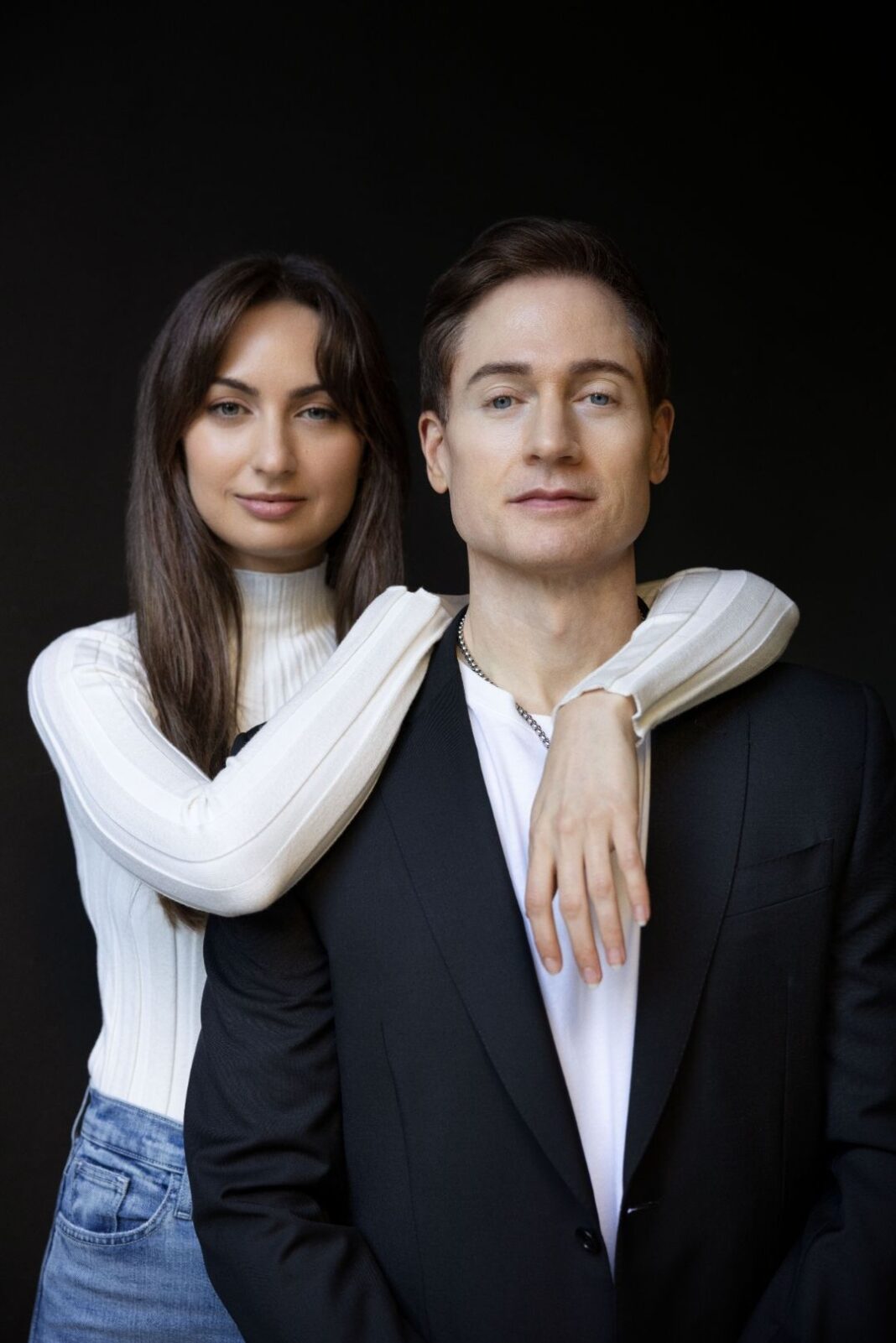
Kate Tolo has launched an intensive self-optimization program modeled after her partner, biohacker Bryan Johnson. Her stated goal is to represent women in a field dominated by male perspectives. The effort involves constant testing and physical interventions aimed at extending lifespan and improving health.
Tolo tracks nighttime erections as part of her data collection routine. The practice, adapted from male-focused protocols, offers insights into circulatory and nervous system function. She uses the results to monitor changes in her body over time.
She also subjects herself to extreme heat during her menstrual period. The method is designed to test how thermal stress affects hormonal cycles and recovery. Early observations suggest potential benefits for pain management and metabolic rate.
The regimen includes blood panels, wearable sensors, and imaging scans performed at regular intervals. Each test generates data points that feed into a personalized health model. The model adjusts recommendations based on real-time feedback.
Tolo argues that most longevity research uses male subjects and ignores female biology. She contends that ovulation, menstruation, and menopause require distinct measurement tools. Her data aims to fill that gap with female-specific benchmarks.
Critics question whether extreme self-experimentation produces reliable results. They note that single-subject studies lack statistical power and cannot establish cause and effect. Tolo acknowledges these limits but says her goal is hypothesis generation, not proof.
She publishes her protocols and results openly to encourage replication and critique. Some researchers have begun incorporating her methods into broader women’s health studies. Others remain skeptical of the intense interventions and their long-term safety.
Tolo describes the project as a service to half the population. She says women deserve equal attention in the growing field of biohacking. Her work continues with monthly assessments and iterative adjustments.