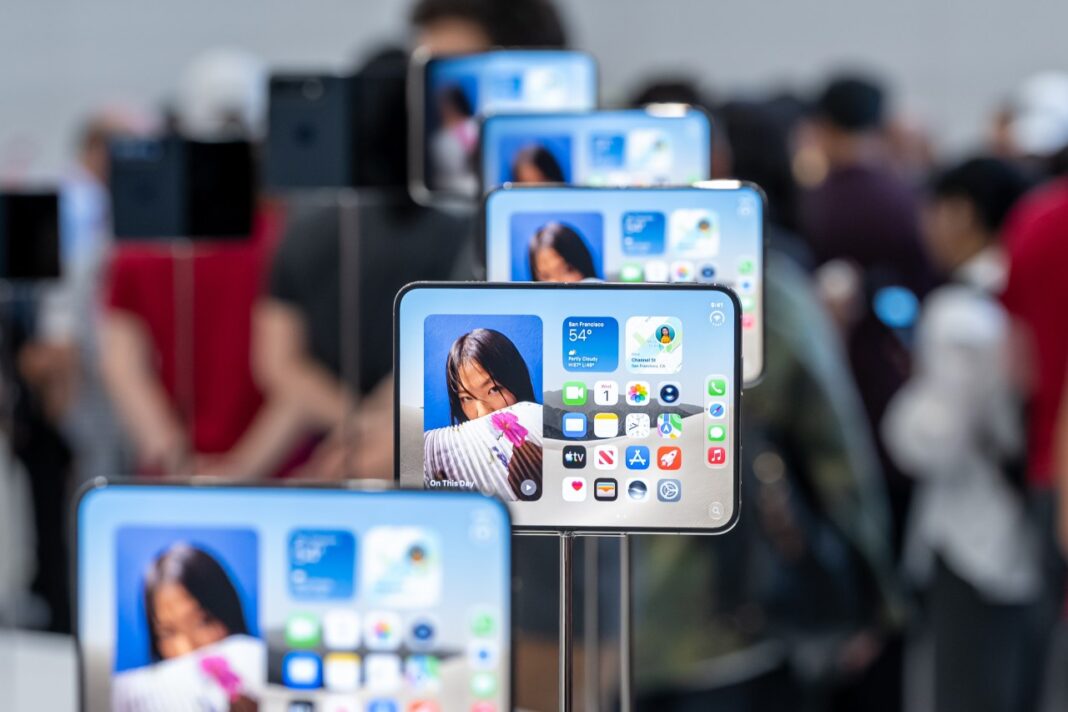
The gadget industry has shifted toward premium pricing and reduced production volumes. This trend appears permanent rather than temporary. Manufacturers now prioritize higher margins over mass-market reach.
Companies once competed to sell the cheapest smartphones and laptops. That strategy has faded. Firms now focus on premium models with advanced features and higher price tags.
Apple, Samsung, and others report stronger profits from fewer units sold. Consumers accept higher prices for better cameras, displays, and build quality. The midrange market has shrunk as a result.
Supply chain disruptions accelerated this change. Component shortages forced brands to allocate limited parts to expensive devices. Cheap models became less viable to produce.
Wealthier buyers remain resilient despite inflation. They upgrade less often but spend more per purchase. Budget-conscious shoppers now hold onto devices longer.
Manufacturers benefit from software subscriptions and accessories. These add-ons generate steady revenue beyond the initial sale. Premium hardware creates a loyal ecosystem.
Analysts expect this premium shift to continue through 2025. Entry-level gadgets may become scarce in Western markets. Emerging markets will see more affordable options remain.
The strategy carries risks. Overpricing could push buyers toward refurbished devices. Competition from budget brands in Asia also threatens premium dominance.
Still, the industry shows no signs of reversing course. Profit margins matter more than shipping volumes. Gadgets have become luxury goods rather than everyday commodities.