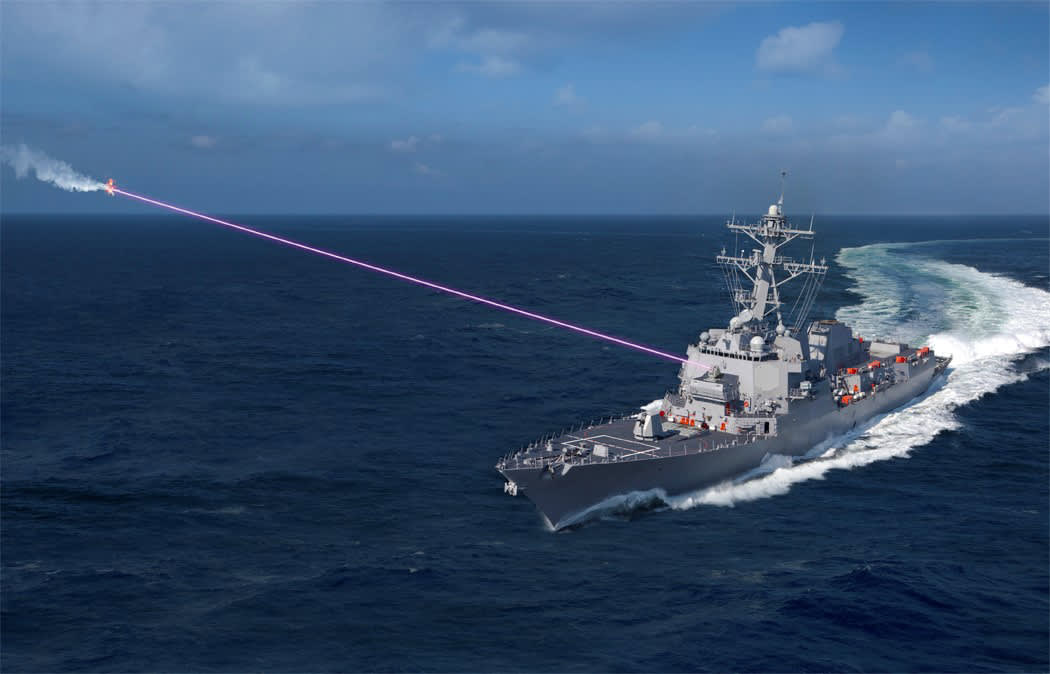
Laser weapons have moved from science fiction to battlefield reality, shifting how investors evaluate defense companies. Directed-energy systems are no longer experimental prototypes but operational tools deployed by militaries worldwide. This transition is reshaping the financial landscape for defense stocks.
The rise of cheap drones has created an urgent need for affordable, effective countermeasures. Traditional missile-based systems cost hundreds of thousands of dollars per engagement, making them impractical against $500 drones. Laser weapons offer a solution, with each shot costing roughly the same as a gallon of fuel. This economic math is driving rapid adoption.
Palantir Technologies is a key player in this shift. The company’s software integrates sensor data and artificial intelligence to detect, track, and classify drone threats. It connects targeting systems to laser platforms, enabling faster decision-making. Palantir’s focus on data integration makes it essential to the counterdrone ecosystem.
Elbit Systems provides the hardware backbone. Its laser weapon systems have been tested in live combat scenarios, including intercepting drone swarms. The company combines directed-energy technology with existing defense platforms, lowering the barrier for military adoption. Elbit’s operational track record gives it credibility in a rapidly expanding market.
Counterdrone spending is projected to grow significantly over the next decade. Governments are prioritizing systems that can defeat low-cost aerial threats without draining budgets. This creates a durable demand cycle for companies with validated laser technologies. Investors are adjusting valuations to account for this structural growth.
The market still faces challenges, including power requirements and weather limitations. Lasers need substantial electricity and perform less effectively in fog or dust. Ongoing research aims to overcome these hurdles, improving reliability for broader deployment. These technical hurdles do not diminish the long-term trajectory.
Companies like Palantir and Elbit occupy different niches in the same value chain. One focuses on software and decision-making, the other on hardware and integration. Both benefit from the same macro trend: the need for affordable, scalable defenses against proliferating drone threats. Their combined roles make them top plays in this emerging sector.