The ‘Make America Healthy Again’ political movement is showing signs of cooling toward President Trump and Republican leaders. The coalition, which brought together vaccine skeptics, organic food advocates, and environmental activists, helped elect Trump in 2024. Now, some of those voters are expressing deep disillusionment.
Disappointment has grown over unmet promises related to health policy and food safety. Many activists expected swift action against pharmaceutical companies and processed food manufacturers. Instead, they see little change in the regulatory landscape they hoped to transform.
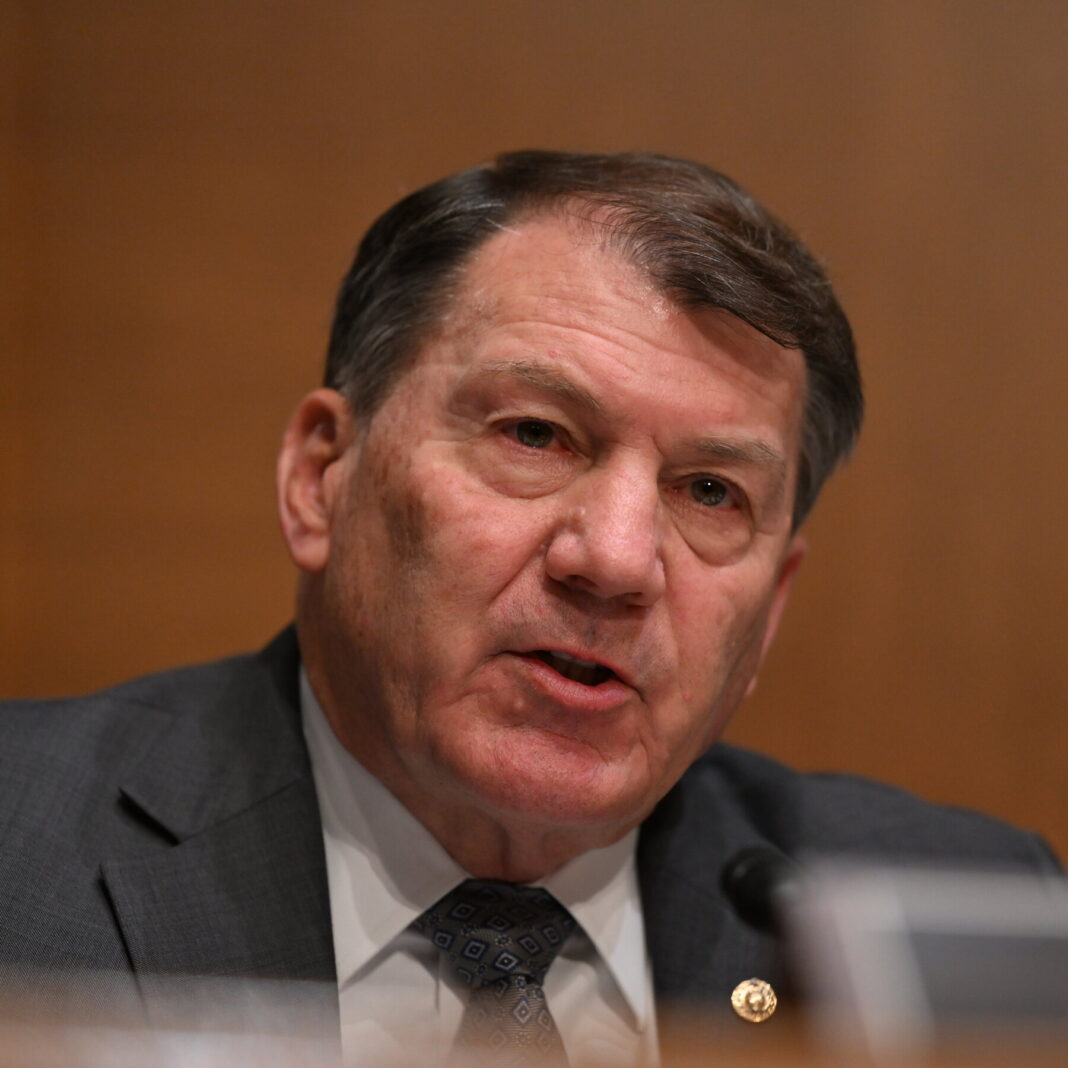
The movement’s frustration is not limited to the White House. Several Republican lawmakers who courted MAHA support have also disappointed key voters. Critics say the party has prioritized corporate interests over the health-focused agenda that resonated during the campaign.
Key figures within the movement point to stalled legislation on vaccine safety and food labeling. They argue that the administration has not followed through on commitments to overhaul federal health agencies. This has left many grassroots supporters feeling betrayed.
Political analysts warn that this discontent could affect voter turnout in the upcoming midterms. The MAHA coalition is not a single-issue bloc, but its votes were critical in swing states. If these voters stay home, it could hurt Republican candidates in tight races.
Some local organizers are already shifting their focus away from national politics. They are turning to state-level initiatives and community health programs instead. This decentralization may reduce the movement’s overall political influence.
The relationship between MAHA voters and the GOP remains fragile. Without concrete policy wins, the coalition may continue to erode. The upcoming election cycle will test whether health-focused activism can remain a political force without unified party support.