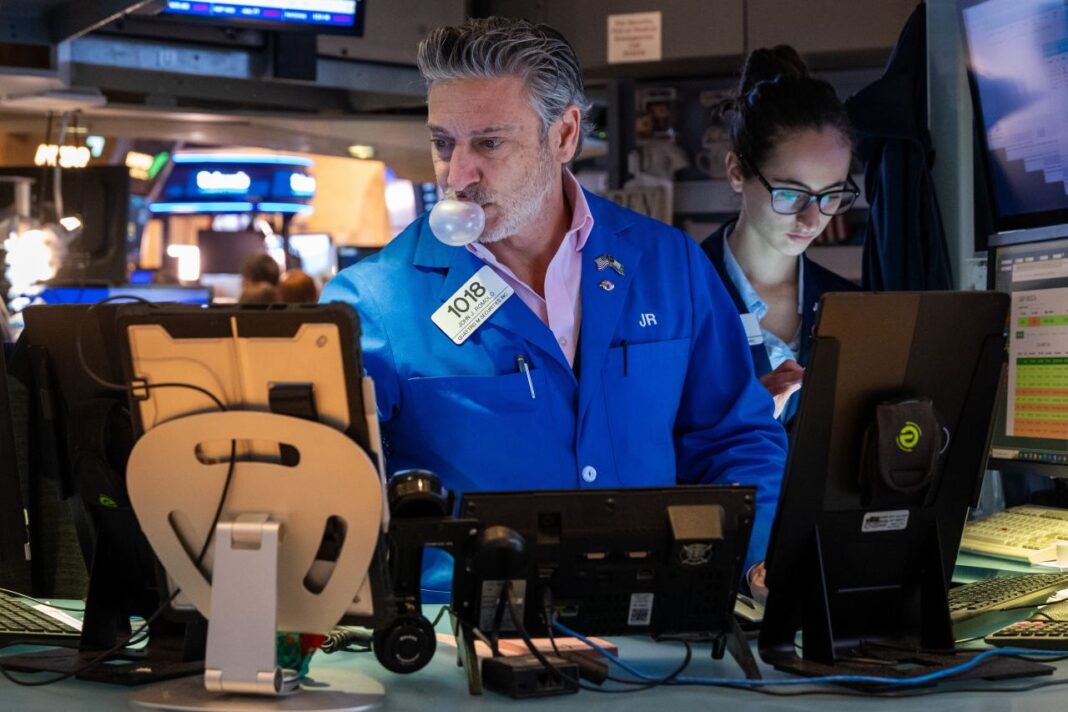
U.S. stock markets rallied Friday after a government report showed unexpected job losses in the labor market. The Dow Jones Industrial Average climbed more than 300 points, while the S&P 500 and Nasdaq also posted solid gains. Investors interpreted the weaker jobs data as a signal that the Federal Reserve may slow its pace of interest rate hikes.
The Labor Department reported that nonfarm payrolls fell by 140,000 in December, surprising economists who had forecast modest gains. The unemployment rate held steady at 6.7 percent. The declines were concentrated in sectors hit hardest by pandemic-related restrictions, including leisure, hospitality, and retail trade.
Manufacturing jobs remained a bright spot in the otherwise mixed report. The sector added 38,000 positions, continuing a trend of steady growth over the past several months. Analysts noted that factory employment has now recovered about two-thirds of the jobs lost during the early months of the crisis.
Airbnb shares soared more than 10 percent following the company’s announcement of stronger-than-expected fourth-quarter bookings. The home-rental platform said travel demand remained resilient despite rising case counts and new restrictions in some regions. The stock’s surge helped lift the broader consumer discretionary sector.
Treasury yields fell after the jobs report, with the 10-year note dropping to 1.05 percent. Lower yields typically benefit growth-oriented technology stocks, which led the market rally. Financial shares lagged as investors bet on a more accommodative monetary policy stance.
Market strategists said the reaction reflected a shift in focus from inflation worries to growth concerns. The jobs report followed a string of weak economic data, raising questions about the durability of the recovery. Some economists warned that the labor market could face further strain in the coming weeks.
The rally extended into the closing bell, with all 11 S&P 500 sectors finishing in positive territory. Small-cap stocks outperformed larger peers, gaining more than 2 percent on the day. Trading volume was above average, indicating broad participation from institutional investors.
Federal Reserve officials have signaled they will keep short-term interest rates near zero for the foreseeable future. The central bank’s bond-buying program, currently set at $120 billion per month, is expected to remain in place until substantial progress is made on employment. The December jobs report adds pressure on policymakers to maintain aggressive support.
Investors now look ahead to the next round of earnings reports and the Federal Reserve’s policy meeting later this month. The rally suggests that markets are willing to look past near-term weakness if it means more stimulus remains on the table. Analysts caution that volatility could persist as the economic picture continues to evolve.