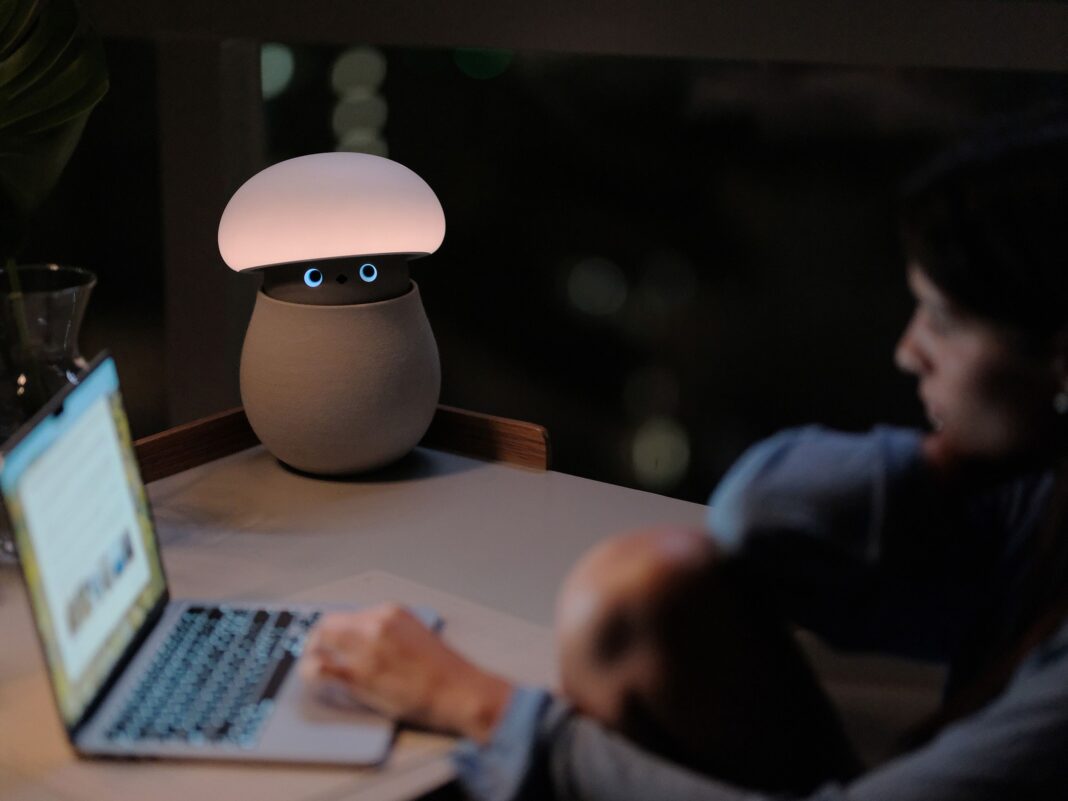
A small robot mushroom designed to blend into home decor has drawn attention for its intentionally limited function. Named Mori, the device looks like a soft ornament rather than a machine. It carries a camera but performs no spoken commands or complex tasks.
The project suggests that acceptance of everyday robots may depend on appearance as much as ability. By hiding technology inside familiar objects, designers can reduce unease. Mori follows a growing trend of devices meant to feel unobtrusive.
Mori does not talk, move around, or respond to voice requests. Its purpose is closer to presence than utility. The robot sits quietly while its camera observes the surroundings.
This minimal approach raises questions about what users expect from household robots. Many products promise assistance and automation, yet often add clutter. Mori instead tests whether charm alone can justify a place in the home.
Privacy remains a central concern for any camera-equipped device. A cute exterior does not remove the need for clear data practices. Users should know what the camera records and where that information goes.
The design also reflects a broader shift toward ambient technology. Devices are becoming smaller and more embedded in daily life. Their success may hinge on how naturally they fit into existing spaces.
Mori shows that function is not the only measure of a robot’s value. Comfort and familiarity can matter just as much. The mushroom may be a small experiment, but it points to larger questions about how people welcome machines into their homes.