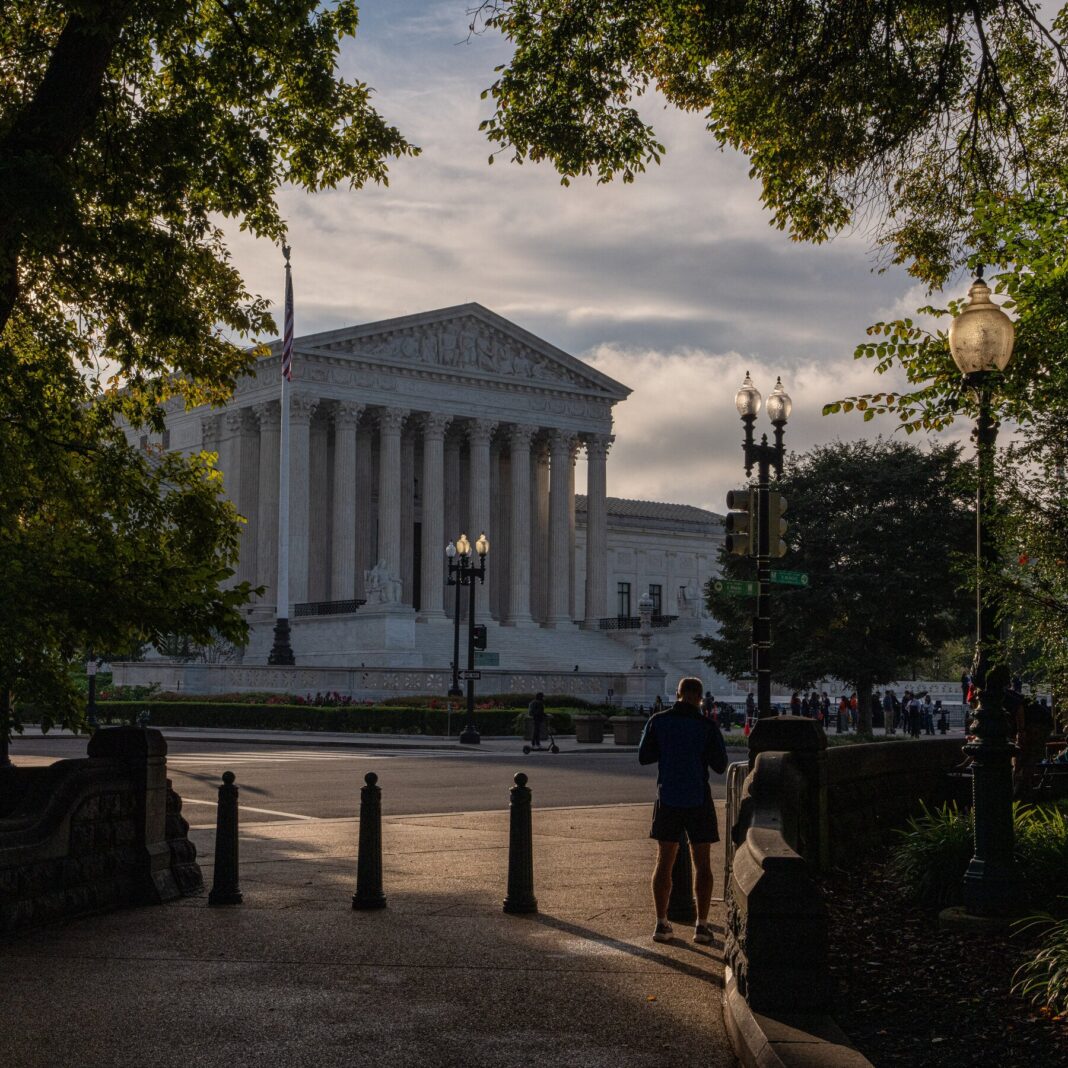
The Supreme Court has cleared the way for New Hampshire to enforce a blanket ban on student IDs at polling places. The justices declined to intervene in a dispute over a state directive that bars election officials from accepting student IDs as proof of identity. The order allows the policy to remain in effect while legal challenges continue.
The directive prevents election workers from considering student identification cards during the voter verification process. This applies even when the ID is issued by a public institution within the state. Election officials must instead rely on other accepted forms of identification.
Critics argue the rule creates unnecessary obstacles for younger voters. Student IDs are often the most readily available form of identification for those living on campus. Requiring alternative documents can add time and cost for these voters.
Supporters contend the restriction strengthens election security by limiting which credentials qualify. They argue that student IDs lack standardized security features found in other forms of identification. The state maintains it has authority to set its own verification standards.
The case drew attention because it touches on broader questions about voting access and state control. Similar debates over ID requirements have played out in several states in recent years. Courts have generally allowed states wide latitude in setting election rules.
The Supreme Court’s decision does not settle the underlying legal questions. Lower courts will continue to review whether the directive conflicts with federal voting laws. The justices offered no written explanation for their order, which is common in emergency applications.
For now, New Hampshire voters who relied on student IDs in past elections will need to present alternative identification. Election officials have been instructed to follow the directive at upcoming polls. The policy remains subject to further legal review as the case proceeds.