The midterm election results may take weeks to finalize as several key races remain too close to call. Election officials in multiple states are still processing mail-in and provisional ballots. This extended timeline has become familiar in recent election cycles.
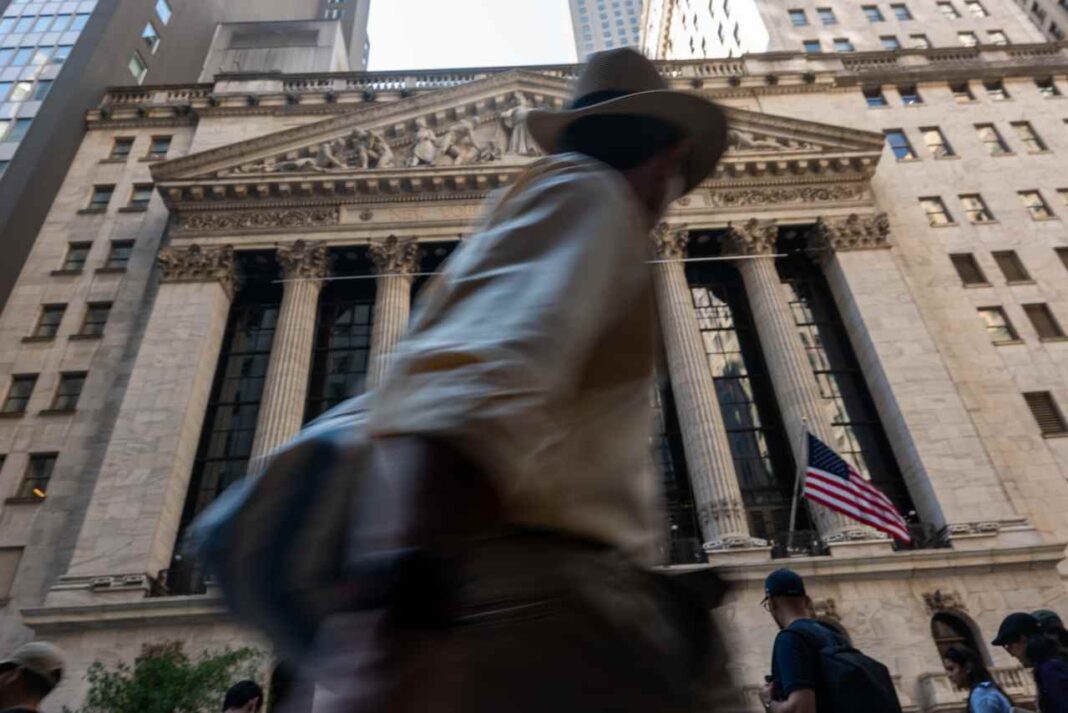
Wall Street is not worried about the delayed vote count. Market analysts point to a key distinction between economic and political uncertainty. Only economic uncertainty has historically driven significant stock market moves.
Political uncertainty tends to have a limited and short-lived effect on markets. Investors have grown accustomed to longer vote-counting periods since 2020. Past delays have not triggered sustained market volatility.
Economic factors such as inflation, interest rates and corporate earnings remain the primary drivers of stock prices. Political gridlock can sometimes produce market-friendly outcomes, such as blocking major policy changes.
A divided government often reduces the likelihood of sweeping legislative shifts. Markets tend to favor predictability and stability over dramatic policy departures, regardless of which party holds power.
Traders are watching the vote count for signals on control of Congress. However, the immediate market reaction has been muted. Investors appear focused on the Federal Reserve’s next moves rather than election night drama.
The weeks-long tally is a logistical reality, not a market crisis. Clear communication from election officials can help maintain public confidence during the count. Investors should watch economic data more closely than political headlines.