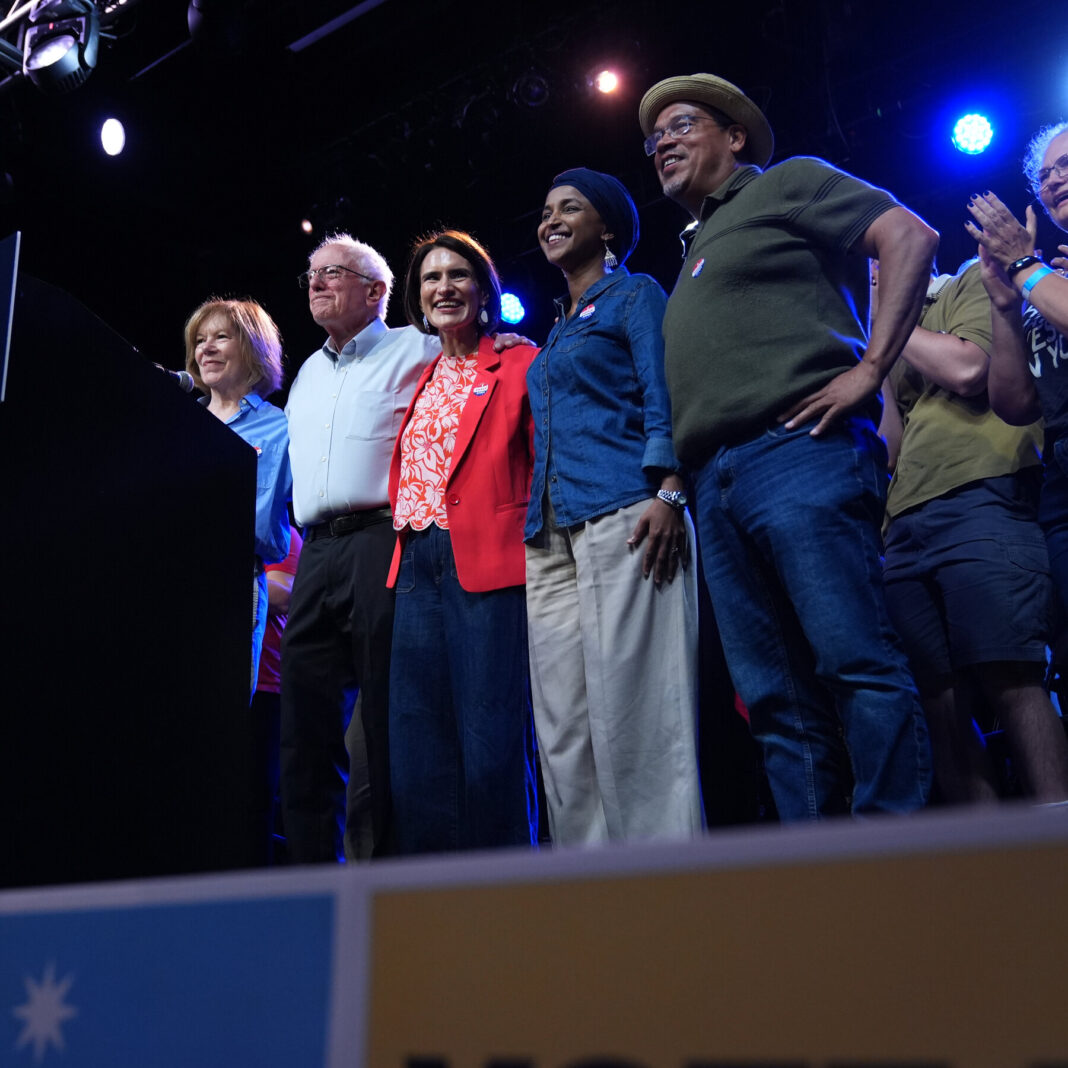
Minnesota’s Democratic Senate primary will serve as the latest gauge of progressive influence within the party, unfolding in a state shaken by the Trump administration’s deadly immigration crackdown last winter. The contest pits Representative Angie Craig against Lieutenant Governor Peggy Flanagan, two prominent Democrats with distinct political identities.
Craig enters the race as a moderate figure, emphasizing bipartisan appeal and economic pragmatism. Her campaign has focused on bread-and-butter issues, including manufacturing jobs and rural healthcare access. She has highlighted her work in the House on agricultural policy and her ability to win in competitive suburban districts.
Flanagan, by contrast, positions herself as a progressive standard-bearer, leaning into her record on social justice and tribal relations. As the state’s highest-ranking Native American official, she has made equity and community investment central to her platform. Her allies argue she can energize the party’s left flank and mobilize voters of color.
The immigration crackdown has reshaped the political landscape in Minnesota, drawing national attention to local impacts. Activists say the federal actions have intensified debates over public safety and immigrant rights, forcing candidates to take clearer stances. Both Craig and Flanagan have condemned the administration’s policies, though they differ on the scope of reform needed.
Craig has called for targeted immigration fixes, including a pathway to citizenship for farmworkers and stricter border security measures. Flanagan has pushed for broader structural changes, such as decriminalizing undocumented status and expanding state-level protections. This divide mirrors the larger national struggle between pragmatic and progressive wings of the party.
The primary is expected to be close, with early polling showing a narrow margin. Both candidates have amassed significant war chests, backed by competing factions of the donor base. Craig enjoys support from business-aligned groups, while Flanagan has rallied labor unions and grassroots organizers.
Party strategists view the race as a bellwether for the 2026 midterm cycle, testing whether left-wing energy can overcome centrist momentum. Minnesota’s diverse electorate, including a strong urban-rural split, adds unpredictability to the outcome. Turnout among young voters and communities of color could prove decisive.
The winner will face a Republican challenger in the general election, though the GOP field remains unsettled. State political observers note that the Democratic nominee must balance primary demands with broader statewide appeal. The contest is set to conclude with a high-stakes vote in August, with national implications for the party’s direction.