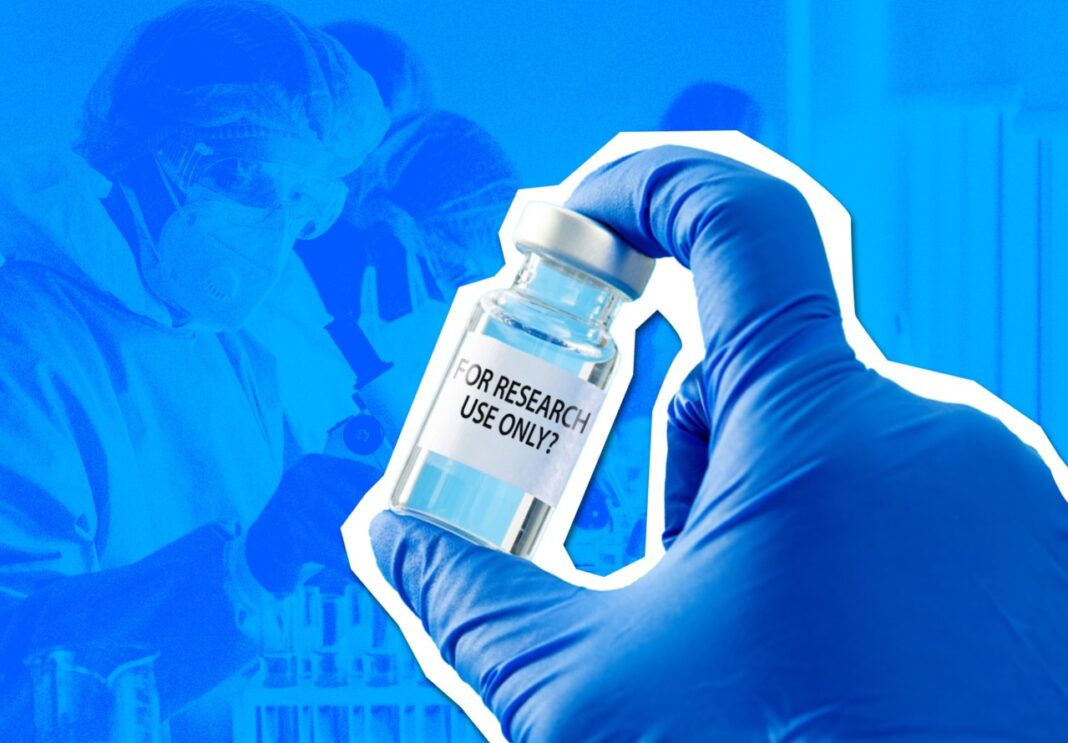
Peptide products are becoming more accessible to American consumers. Many of these items sell at lower prices than prescribed alternatives. Buyers often place orders through toll-free numbers or online platforms.
These transactions frequently bypass licensed physicians. Patients miss proper medical evaluations and accurate diagnoses. This gap raises the risk of ineffective or harmful treatments.
Unproven peptides flood the market without regulatory review. Sellers make bold claims without reliable evidence. Consumers face confusion when choosing between legitimate and dubious options.
Scammers target buyers seeking quick solutions. Fake products may contain unknown ingredients or no active compounds. Victims lose money and may suffer health consequences.
Legitimate medical treatments require clinical testing and professional oversight. Proven therapies address specific conditions with documented results. Skipping this process exposes patients to unnecessary dangers.
The rising demand for peptides fuels this underground trade. Desperation for cheaper alternatives drives poor decisions. Education about verified sources remains limited.
Consumers should consult real doctors before buying any peptide. Accurate diagnoses lead to safe and effective care. Regulatory action and public awareness can reduce scam risks.