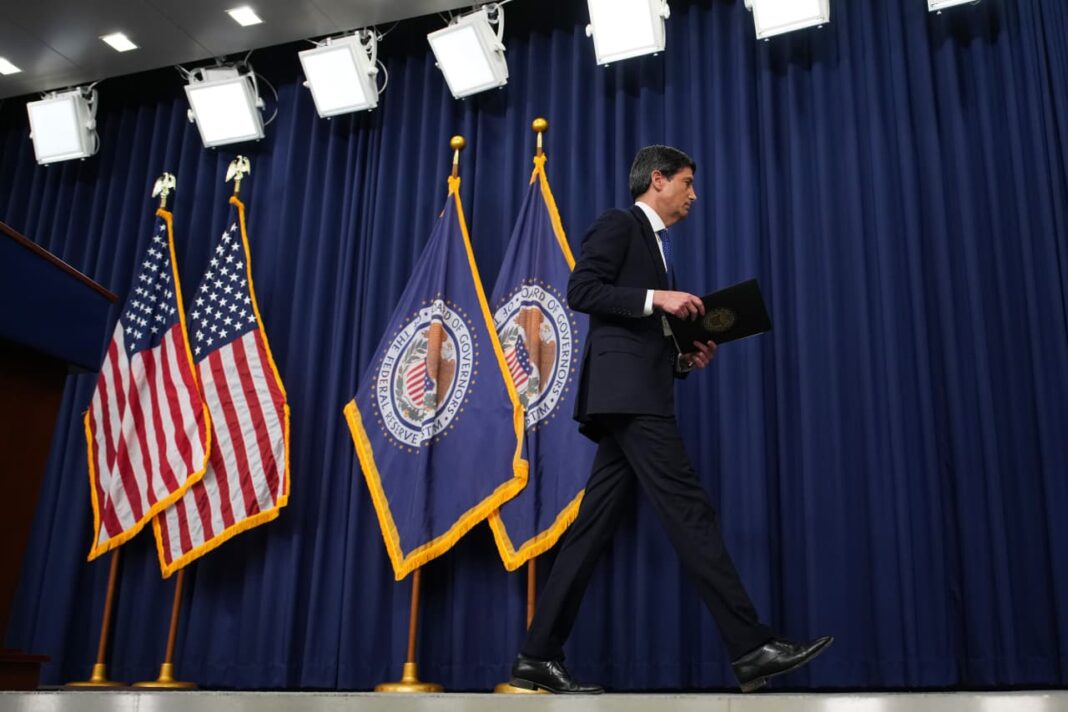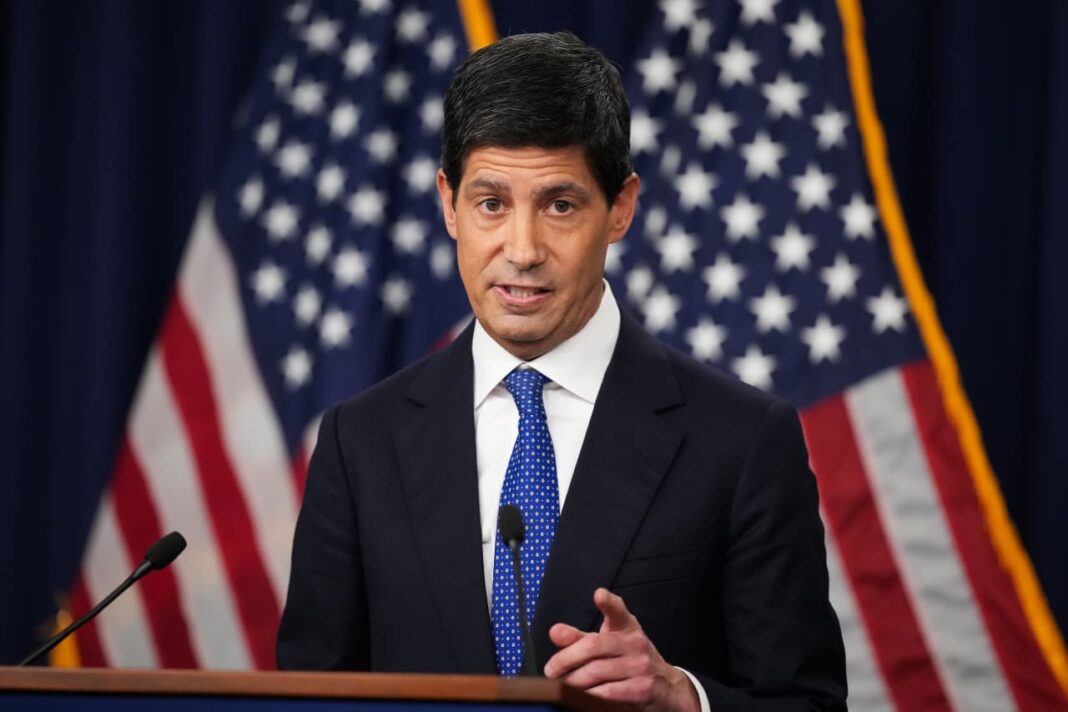
The Federal Reserve released a 130-word statement this week after raising interest rates by a quarter-point. Bank of America noted it was the shortest policy statement since 2007. The brief wording carries significant implications for market stability.
Fed officials chose to lift the benchmark rate despite ongoing economic uncertainty. The decision marks another step in the central bank’s effort to control inflation. Investors are now parsing the limited text for clues about future moves.
Short statements often reflect a unified committee with little internal debate. A concise message can reduce confusion about the policy path. However, it also leaves more room for markets to guess.
Bank of America analysts compared this week’s statement to prior ones. They found the 130-word length signals strong agreement among Fed members. Such brevity has historically preceded periods of steady policy.
Markets initially reacted with modest swings after the release. Bond yields ticked higher while stocks fluctuated. Traders focused on the absence of nuanced language rather than the rate hike itself.
The trimmed statement omitted detailed guidance on future rate decisions. This shift puts more weight on upcoming economic data. Investors must now rely on speeches and minutes for deeper insight.
A shorter statement can also mean the Fed sees fewer risks requiring explanation. It may indicate confidence in current policy direction. Yet some analysts warn it could amplify volatility if conditions change.
For long-term investors, the brevity suggests the Fed wants to avoid overpromising. Clear, simple messaging may help anchor expectations. The next meeting will reveal whether this terse approach continues.
Market stability depends on how well participants interpret the limited text. The Fed’s silence on certain topics leaves room for speculation. Only time will tell if this strategy calms or unsettles markets.