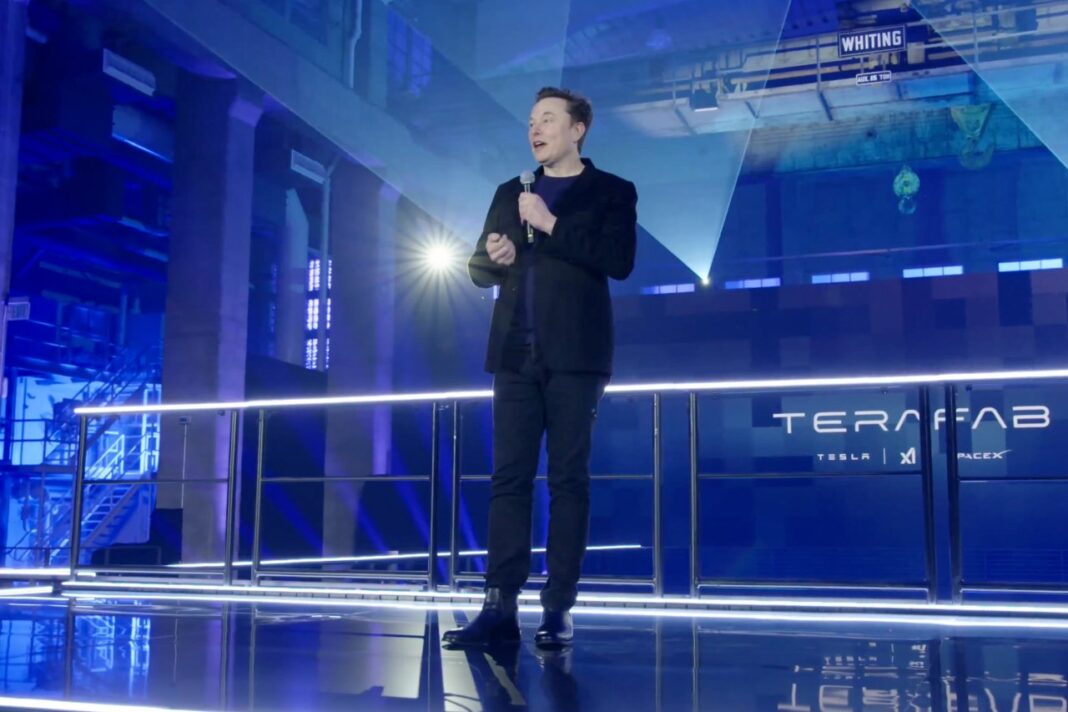
Elon Musk’s concept of a “Terafab” for chip manufacturing represents an ambitious long-term vision. The Tesla CEO has proposed a massive fabrication facility that could produce high volumes of advanced semiconductors.
Partnering with Intel on this project would face significant technical and logistical hurdles. Chip fabrication plants require years of planning, construction, and certification before production begins.
Industry experts suggest such a facility would take more than a decade to become operational. The complexity of modern chipmaking processes makes rapid scaling difficult even for established players.
Building a Terafab would demand billions of dollars in investment and access to specialized equipment. Supply chain constraints for chip-making tools could further delay any timeline.
Musk’s vision assumes breakthroughs in manufacturing efficiency that have not yet been proven. Current chip fabrication technologies are already pushed to their physical limits.
The proposal also overlooks the specialized expertise needed to run such facilities. Intel’s own struggles with its manufacturing roadmap highlight the challenges involved.
For now, the Terafab concept remains a distant prospect with no clear path to reality. Large-scale chip production requires gradual, incremental progress rather than sudden leaps.