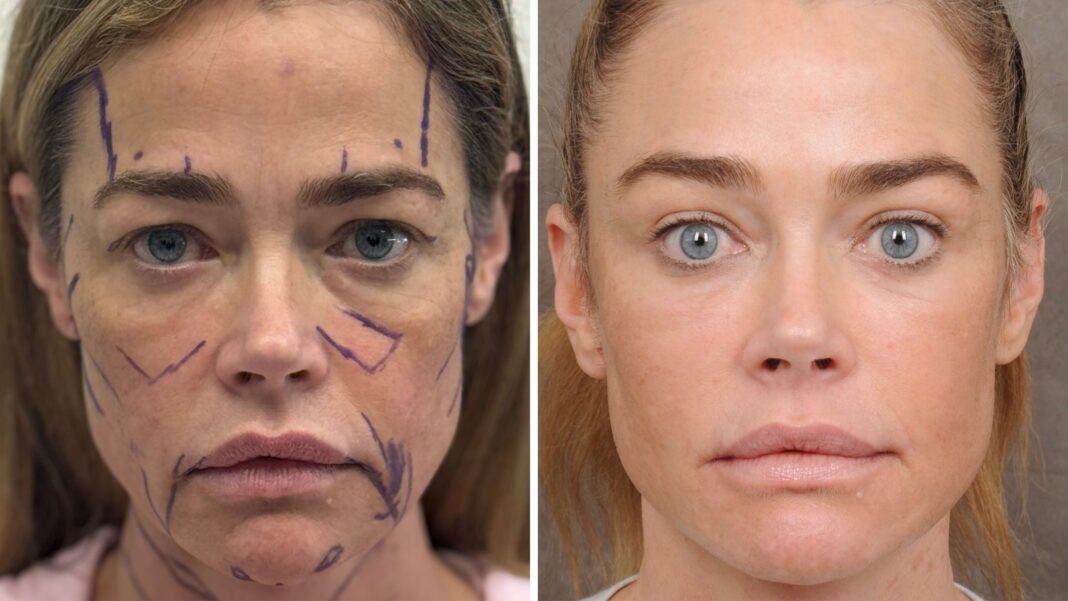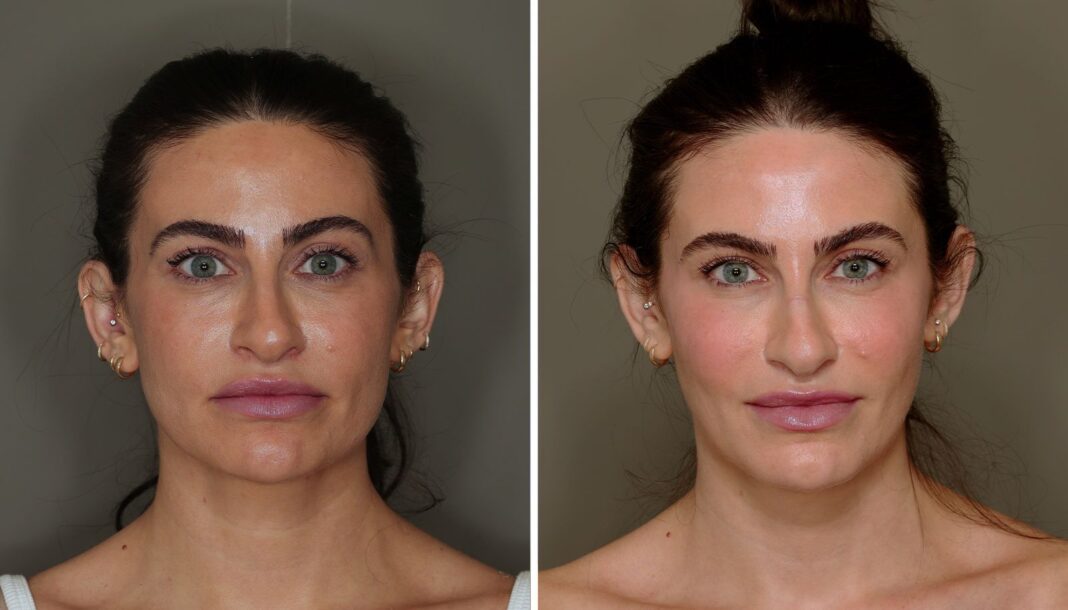
Facial fat grafting remains a popular cosmetic procedure for restoring volume. Patients often seek it to address signs of aging like hollow cheeks or thin lips. The technique involves transferring a patient’s own fat from one body area to the face.
Long-term satisfaction often depends on realistic expectations. While the procedure offers natural-looking results, it is not a permanent solution. A significant portion of the transferred fat can be reabsorbed by the body over time.
This natural absorption process means results can diminish. Some patients may notice changes within the first year. The outcome stabilizes more after this initial period, but maintenance is a consideration.
The need for potential touch-up procedures is common. Patients should view it as a process that might require future sessions. This is a standard part of the treatment’s lifecycle, not a sign of failure.
Choosing a qualified, experienced surgeon is critical for safety and efficacy. The skill of the practitioner directly impacts fat survival rates and aesthetic outcomes. Thorough research and consultations are essential first steps.
The recovery process involves initial swelling and bruising. Final results become fully apparent after several months as swelling subsides. Patience during this healing phase is crucial for assessing the outcome.
Two years post-procedure, many patients report sustained satisfaction with subtle, natural volume. They also acknowledge the procedure’s evolving nature. Understanding the commitment involved is key to a positive long-term experience.