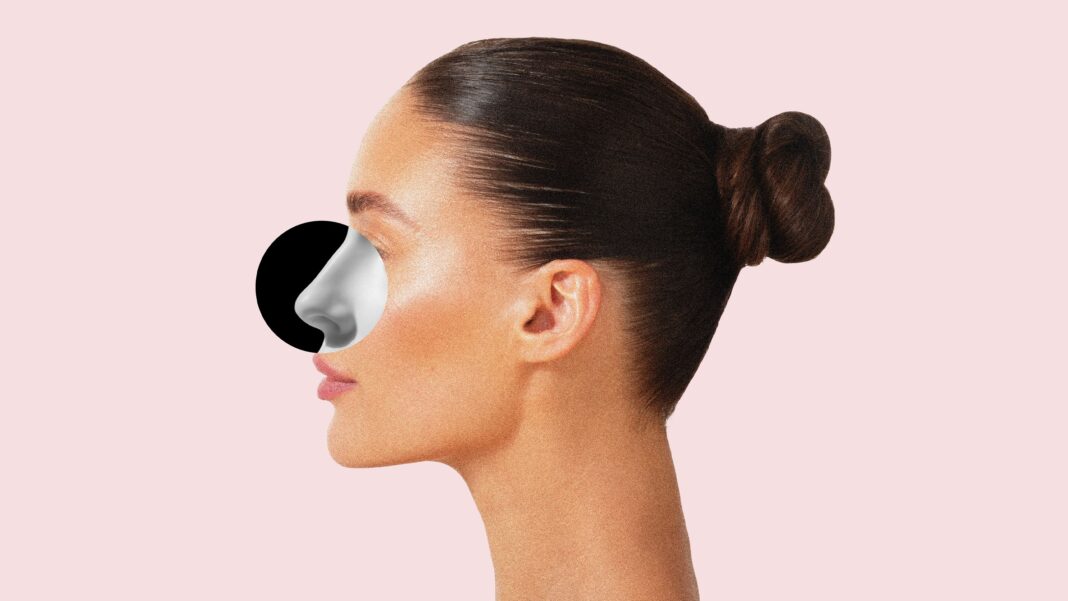
When a rhinoplasty doesn’t go as planned, a second procedure can offer correction. Revision rhinoplasty addresses both functional and aesthetic concerns from a prior nose job. This surgery is often more complex than the initial operation due to scar tissue and altered nasal structure.
Many patients seek revision for breathing difficulties or for a shape that doesn’t feel balanced. The nasal tip, bridge, or nostrils might require specific adjustments. Surgeons must carefully assess the remaining cartilage and skin quality before proceeding.
Before photos of revision rhinoplasty patients often show asymmetry or an unnatural profile line. After images typically reveal a more refined and proportionate nasal shape. Healing times can be longer than a primary rhinoplasty due to previous surgical trauma.
The consultation process involves a thorough examination of the nose’s internal and external condition. Imaging technology helps patients visualize potential outcomes. Surgeons may recommend waiting at least one year after the first surgery before attempting revision.
Recovery requires patience, with swelling and bruising lasting several weeks. Full results are often not visible until six to twelve months post-surgery. Follow-up appointments are critical for monitoring healing and ensuring nasal function.
Scarring from the initial procedure requires the surgeon to plan incisions carefully. Techniques such as cartilage grafting are common to rebuild support. Each nose presents unique challenges that demand personalized surgical strategies.
Patients considering revision rhinoplasty should seek a board-certified facial plastic surgeon. Experience with secondary cases is essential for successful results. Honest communication about expectations and realistic goals is vital.
Before and after documentation remains a powerful tool for demonstrating surgical changes. These images provide visual proof of what revision rhinoplasty can achieve. The final outcome often restores both physical comfort and self-confidence.