The New Hampshire primaries concluded with establishment-backed candidates securing key victories, setting the stage for competitive general election contests. The results signal a preference for experience and institutional support over outsider challenges in several pivotal races.
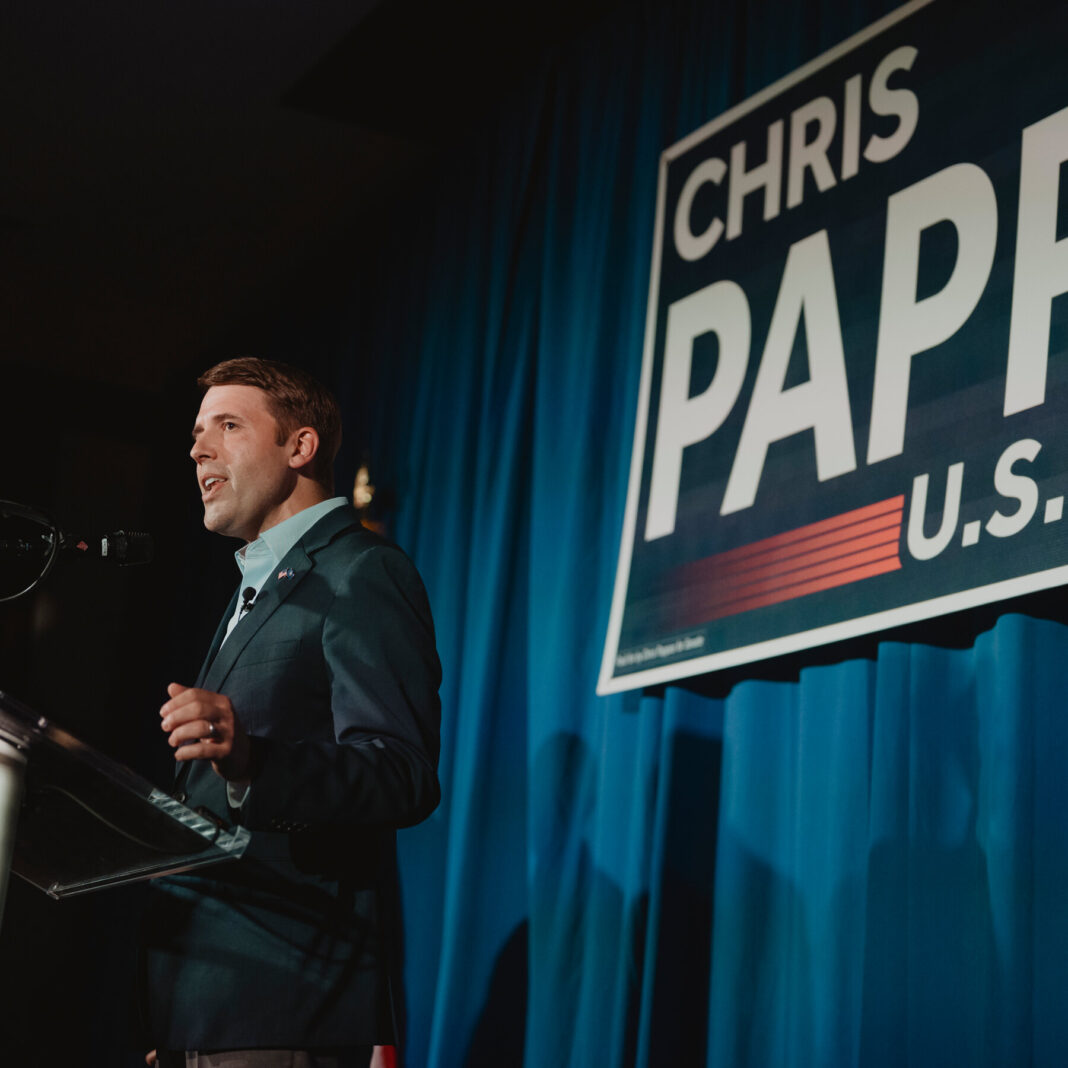
The U.S. Senate race will feature familiar faces, with former Senator John E. Sununu advancing to challenge for the seat. He will face Chris Pappas, a four-term congressman, who won the Democratic nomination. Both candidates bring lengthy political resumes to a contest that is expected to draw national attention.
In a closely watched House primary, Stefany Shaheen, the daughter of a prominent senator, eked out a narrow victory. Her win underscores the continued influence of established political families in the state’s congressional delegation races. The margin of her victory suggests a divided electorate within the party base.
The results reflect a broader trend among New Hampshire voters who opted for well-known figures rather than political newcomers. Analysts note that name recognition and fundraising advantages played a significant role in the outcomes. The campaigns now shift focus toward turning out their respective bases in the upcoming election.
Key policy debates, including economic concerns and federal spending, are expected to dominate the general election messaging. Both Senate candidates have already begun staking out contrasting positions on these issues to appeal to undecided voters. The House race, meanwhile, will test whether Shaheen can consolidate support after a competitive primary.
Voter turnout in the primaries appeared moderate, with no significant surge reported compared to recent cycles. Election officials reported a smooth voting process across the state’s precincts. Minor logistical issues were resolved quickly, according to local authorities.
The general election is poised to hinge on independent voters, who make up a sizable portion of the state’s electorate. Candidates from both parties are likely to court this demographic in the coming months. National party committees are expected to invest heavily in the races as control of Congress remains uncertain.
The primary outcomes have energized both party organizations, but they also reveal underlying fractures that could surface during the campaign. Shaheen’s narrow margin, in particular, may require efforts to repair internal party relationships. The coming weeks will show how effectively each campaign addresses those challenges while broadening their appeal.