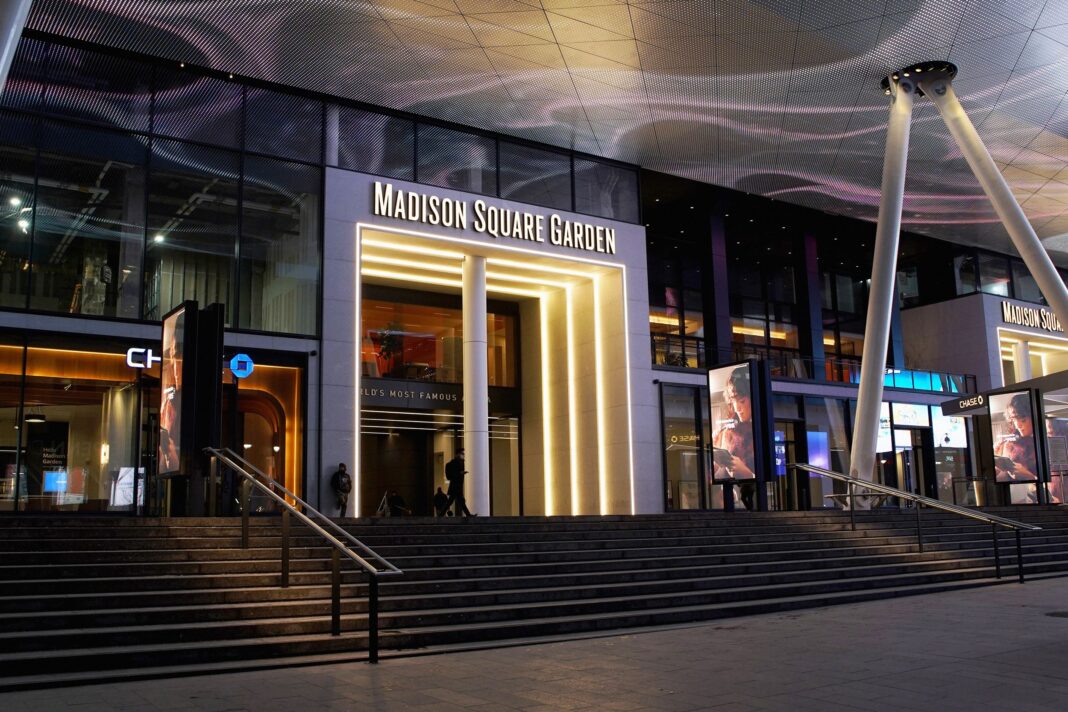
New York City lawmakers gathered outside Madison Square Garden on Tuesday to push for stricter limits on biometric surveillance at public venues. The event brought together politicians, musicians, and privacy advocates calling for a measure widely referred to as “Ban the Scan.”
The proposed legislation would restrict the use of facial recognition technology at large entertainment and sports venues across the city. Madison Square Garden, one of the most prominent locations currently using such systems, has become a central focus of the debate. The venue has faced criticism for deploying the technology to identify and remove individuals involved in legal disputes with its parent company.
Supporters of the ban argue that facial recognition tools create a chilling effect on public participation. Musicians and performers at the press conference voiced concerns that fans could be barred from events without clear explanation. Privacy advocates added that the technology operates without meaningful oversight or accountability.
The use of biometric scanning at MSG first drew widespread attention after reports surfaced of attorneys being denied entry. The venue reportedly matched their faces against a database tied to pending litigation. Those individuals were then flagged and refused admission, sparking legal challenges and public outcry.
Lawmakers behind the new push say existing rules are insufficient to protect citizens. Current regulations require disclosure of biometric data collection but do not prevent venues from using the technology. The proposed ban would go further by prohibiting the practice outright in spaces open to the general public.
Opponents of the ban contend that facial recognition enhances security and deters repeat offenders. Venue officials argue that the technology helps manage access and prevent disruptive behavior. They also point to the voluntary nature of entering a private facility as a basis for the current policy.
The legislative path remains uncertain, but the press conference signals growing momentum. Similar measures have been considered in other cities, though few have been enacted. New York’s decision could set a precedent for how public venues balance security with civil liberties.
Activists plan to continue lobbying city council members ahead of a potential vote. They emphasize that the issue extends beyond one arena, touching on broader questions of surveillance in everyday life. The outcome will be closely watched by privacy groups and venue operators alike.