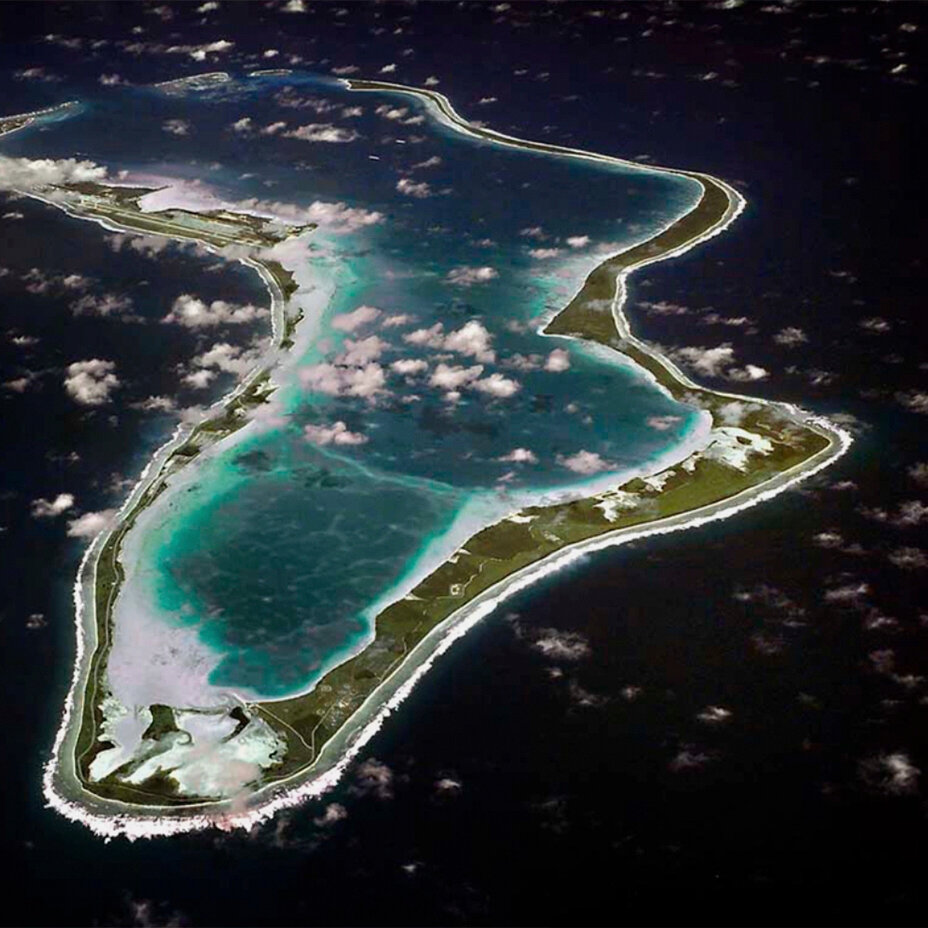
The U.S. Navy’s logistical challenges, including those affecting the USS Abraham Lincoln, trace back to an early-war strike on an American base in Bahrain. That attack forced a strategic relocation of supply operations to Diego Garcia, a remote island in the Indian Ocean.
Diego Garcia sits roughly 2,200 miles from the Gulf of Oman, a significant distance that now complicates carrier operations. The island has assumed the role of the Navy’s primary logistics hub after the Bahrain facility sustained damage. This shift has extended supply lines and increased transit times for critical materials.
The move was a necessary response to a vulnerability exposed in the conflict’s opening phases. The Bahrain base had served as a forward staging point for years, and its incapacitation created a gap in the Navy’s support network. Officials chose Diego Garcia for its isolation and relative safety from immediate threats.
However, that safety comes at a cost. Longer distances mean more fuel consumption and greater wear on support vessels. For the USS Lincoln, this logistical strain has compounded existing operational pressures.
The impact on the carrier is tied directly to these supply chain decisions. Maintenance parts, food, and munitions must now travel significantly farther to reach the ship. This added time can delay routine resupply and hamper mission flexibility.
Analysts note that the early loss of the Bahrain hub forced a rapid adaptation. The Navy had to rework its entire distribution model in a high-threat environment. Diego Garcia’s infrastructure, while robust, was not originally sized for such a heavy workload.
The situation highlights a broader lesson for military planners. Forward bases offer speed but also present targets. The choice to push logistics further back reflects a new calculus in a conflict where standoff strikes can cripple critical nodes.
For now, the USS Lincoln and other vessels operate under these extended parameters. The Navy continues to manage the distance, but the strain remains a defining factor of current operations.