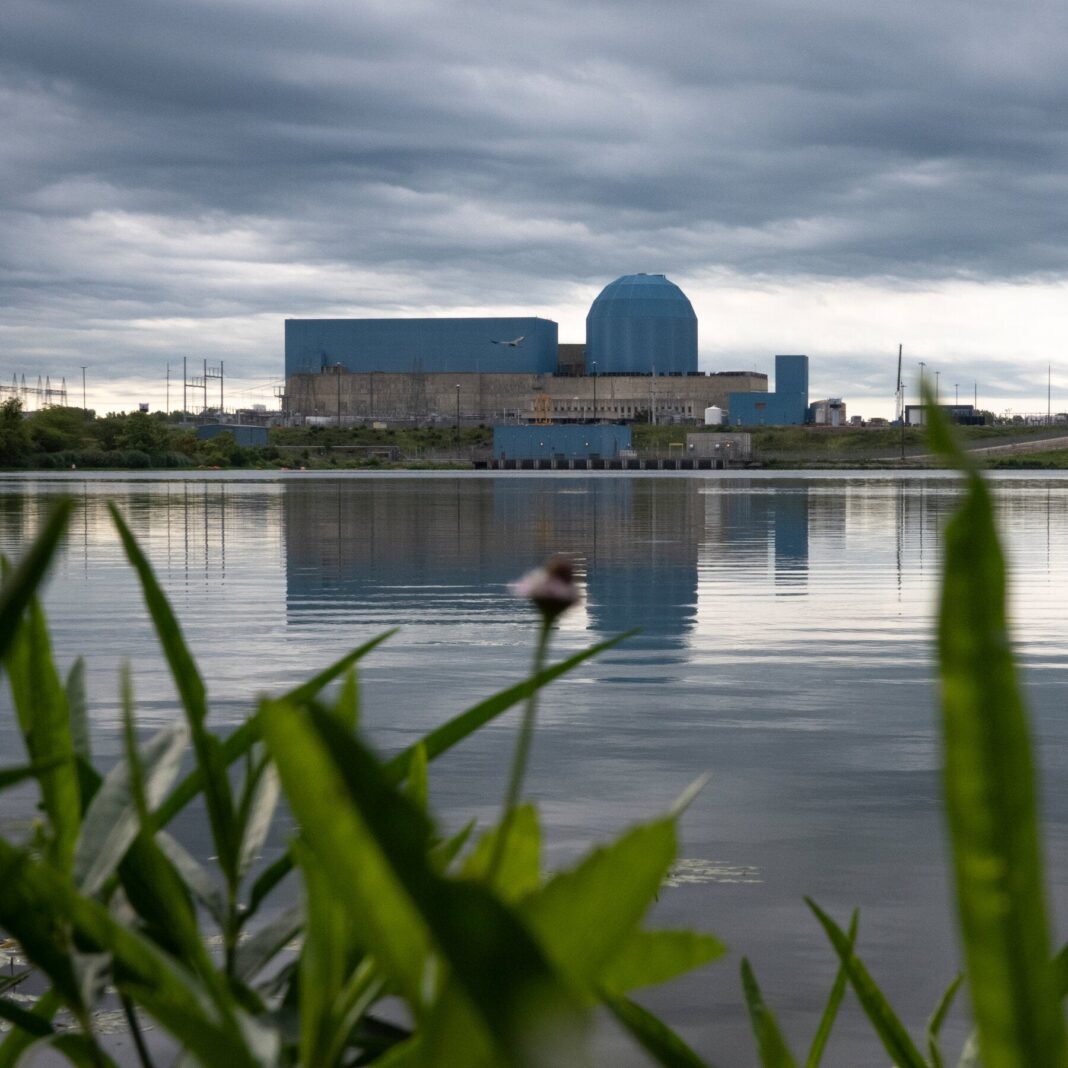
Energy companies are seeking to increase output from existing nuclear reactors. Building new nuclear plants remains slow and expensive. This approach offers a faster way to add electricity to the grid.
Utilities are upgrading turbines, generators, and cooling systems at older facilities. These improvements can boost capacity without building new reactors. The goal is to maximize power from already licensed sites.
The U.S. Department of Energy has supported these projects through research grants. Federal regulators are also reviewing rules to streamline approval. Interest from tech companies adds pressure to find more clean power.
Google and other data center operators need large amounts of reliable electricity. Nuclear plants provide steady, carbon-free power around the clock. That makes them attractive to technology firms with climate goals.
Grid operators say the extra electricity could help meet rising demand. Data centers, electric vehicles, and new factories are straining supply. Nuclear upgrades offer one partial solution.
Safety remains the top priority for any reactor modification. The Nuclear Regulatory Commission must approve changes before they take effect. Plants cannot exceed limits set in their original licenses.
Not all reactors can be upgraded economically. Age, design, and location affect what is possible. Still, industry analysts see potential across dozens of sites.
The strategy does not replace the need for new plants or other energy sources. But it buys time while longer-term projects move forward. For now, squeezing more from existing reactors is a practical step.