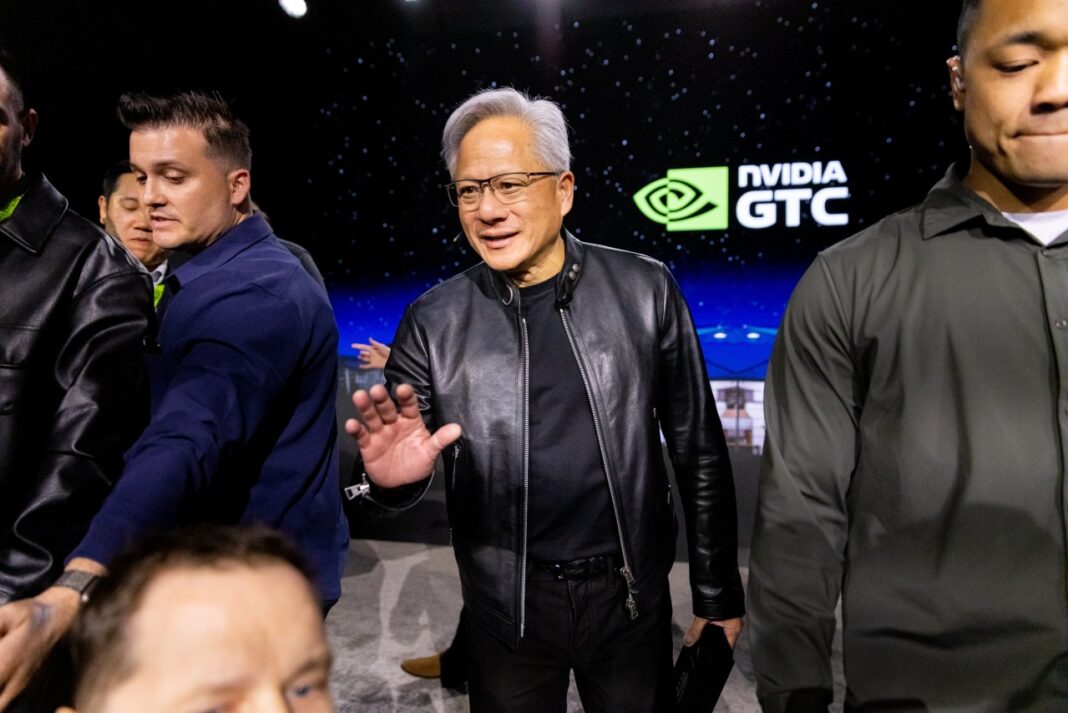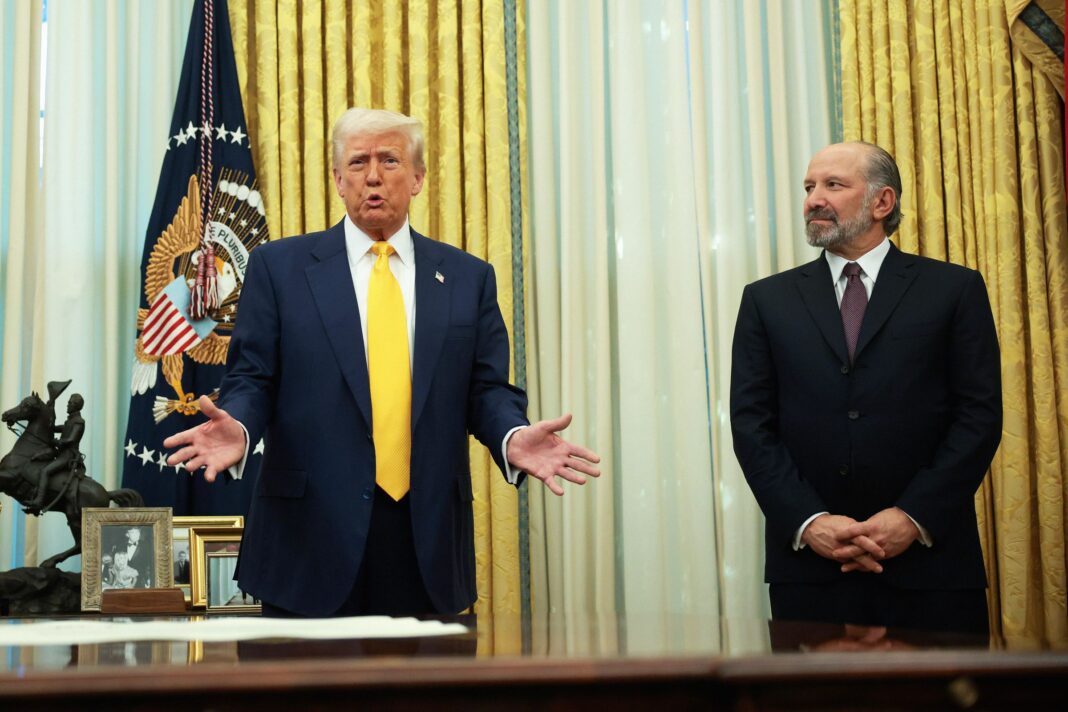
A Commerce Department decision not to blacklist a company tied to the Nvidia controversy has drawn criticism. Commerce Secretary Howard Lutnick has faced attacks for the move. President Trump supports the underlying policy.
The dispute centers on chip sales to China and the Jensen Huang scandal. Critics argue the company should have been blacklisted. The department declined to take that step.
The case has renewed debate over how tightly the U.S. should restrict advanced chip exports. Nvidia holds a major share of the global AI chip market. China remains one of its largest customers.
Trump has signaled support for keeping sales flowing. The administration appears to favor managed trade over outright bans. That stance differs from some lawmakers seeking stricter controls.
Lutnick has defended the department’s handling of the matter. He argues enforcement decisions must follow legal and strategic criteria. Blacklisting is not automatic, he has said.
The controversy highlights tension between security concerns and commercial interests. Chipmakers warn that strict limits could push buyers toward domestic suppliers. U.S. firms could lose ground as a result.
Lawmakers from both parties are pressing for details on the decision. The outcome could shape future export rules for AI hardware.