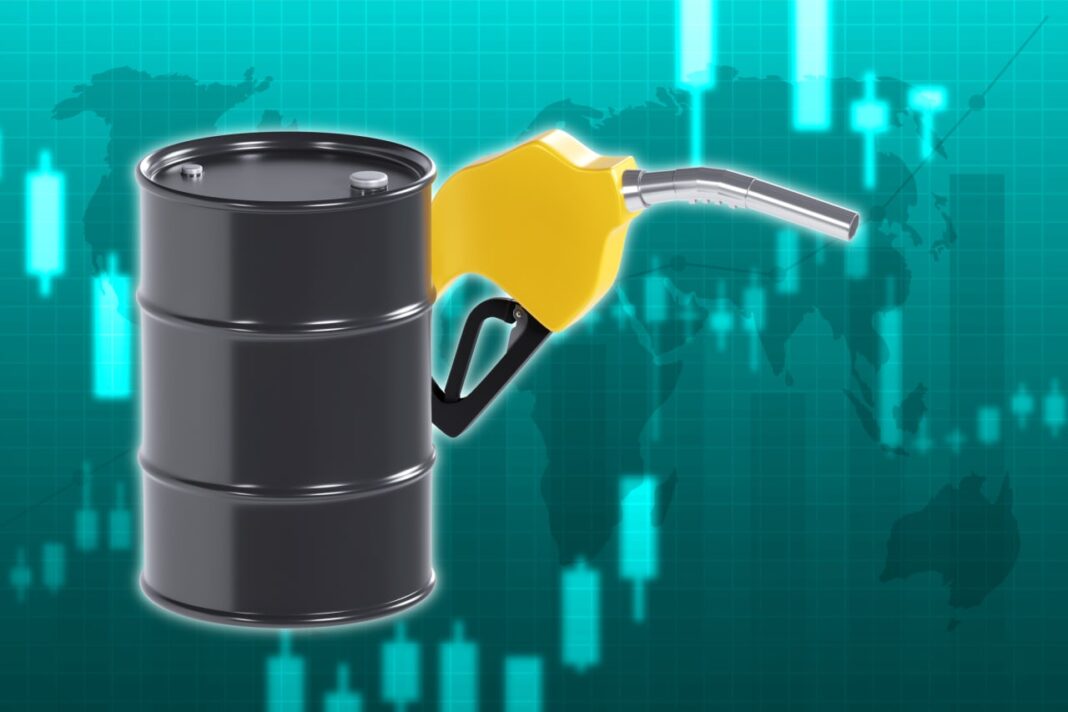
Oil futures markets are flashing a warning that drivers may soon pay more at the pump. The gap between short-term and long-term crude prices has widened sharply.
Traders are paying a hefty premium for immediate oil deliveries. This premium, known as backwardation, signals tight near-term supplies.
The conflict with Iran is fueling fears of supply disruptions. Any escalation could choke off a major source of global crude.
Front-month contracts now trade well above later-dated ones. That pattern often precedes rising retail gasoline prices.
Refiners pass higher crude costs to consumers within weeks. Pump prices could climb if the premium persists.
Backwardation also discourages stockpiling. Traders sell stored oil quickly rather than hold it for later profit.
The market is effectively pricing in a risk premium. Geopolitical tension, not demand, drives this shift.
Analysts watch this spread as a real-time stress gauge. A sustained gap usually means higher fuel costs ahead.