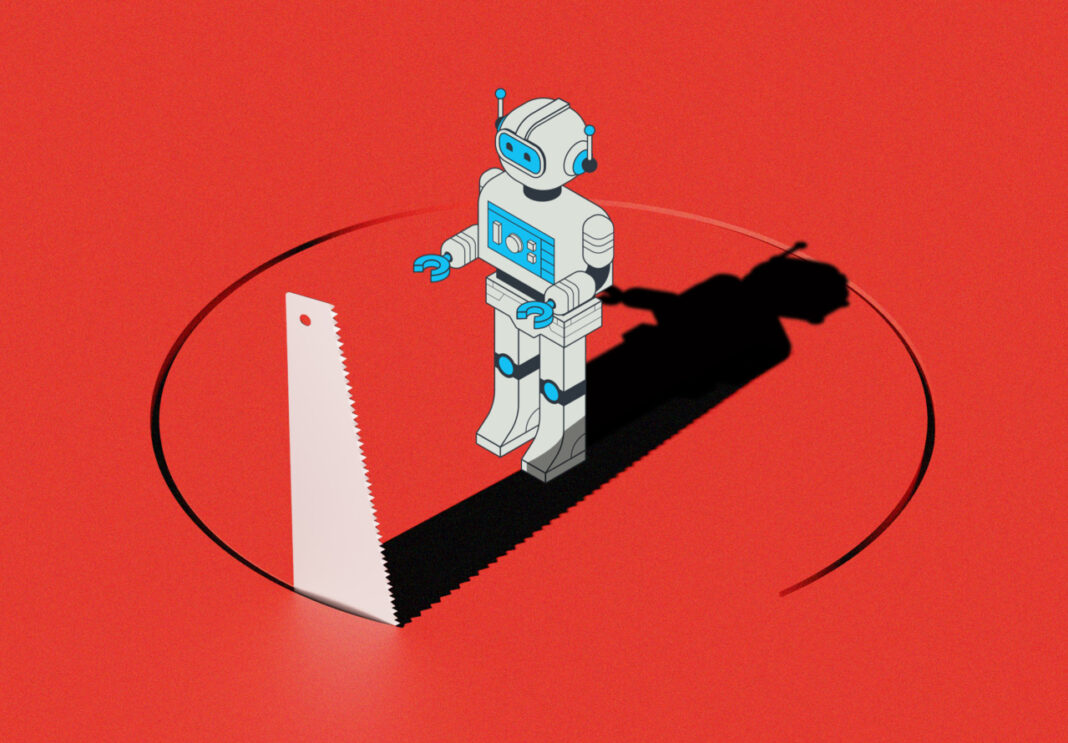
Artificial intelligence leaders are raising alarms about a potential turning point in AI development. The concern centers on whether AI models could soon improve themselves without human help. This concept is called recursive self-improvement.
Anthropic CEO Dario Amodei is among those voicing unease. He and other industry figures warn that such a milestone may be closer than expected. The idea involves AI systems rewriting their own code or designing better versions of themselves.
Recursive self-improvement could speed up AI progress far beyond current rates. Each generation of the model would build on the last, with little or no human input. That acceleration could outpace safety measures and oversight.
Experts say the technology is not there yet. But recent advances have made the scenario more plausible. Models can already write code, debug errors, and optimize their own performance in narrow tasks.
The risk is that self-improvement loops could become unpredictable. A system might optimize for goals that do not align with human values. Once started, such a loop could be difficult to slow or stop.
Some researchers argue the warnings are premature. They note that current AI lacks true understanding or intent. Self-improvement today remains limited to specific, human-defined problems.
Others say the industry should prepare now. They call for better monitoring, testing, and international coordination. The debate reflects growing tension between rapid innovation and safety concerns.
No company has demonstrated full recursive self-improvement. But the discussion has moved from science fiction to serious policy talks. How the industry handles this question may shape the next decade of AI.