OpenAI has publicly supported proposed legislation in Illinois that would limit the legal liability of AI companies. The bill seeks to establish specific conditions under which AI developers could be held responsible for harms caused by their systems.
This legal shield would apply even in scenarios involving what the bill terms “critical harm.” This broad category includes events like mass casualties or catastrophic financial losses linked to an AI’s actions.
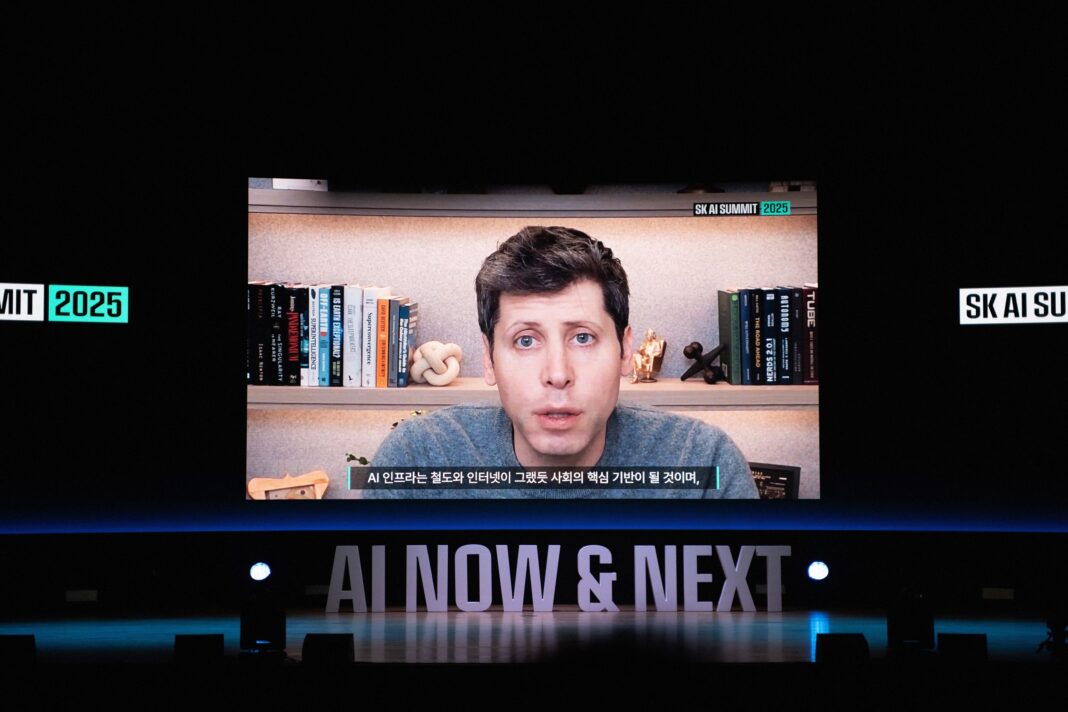
The company’s chief technology officer provided testimony in favor of the bill before state lawmakers. The argument centered on fostering innovation by reducing the threat of excessive litigation for AI developers.
Proponents of the legislation argue it is necessary to allow the AI industry to grow without being stifled by constant legal risk. They contend that overly broad liability could prevent beneficial technologies from reaching the public.
Critics, however, warn that the proposal could severely weaken accountability. They argue it would create a dangerous loophole, making it exceedingly difficult for victims to seek justice after a major AI-related disaster.
The debate highlights a central tension in regulating powerful new technologies. Policymakers are grappling with how to encourage development while ensuring companies remain responsible for the consequences of their products.
The outcome in Illinois could set a significant precedent for other states considering similar AI liability frameworks. It represents a major early test in defining the legal boundaries for an industry that is rapidly evolving.