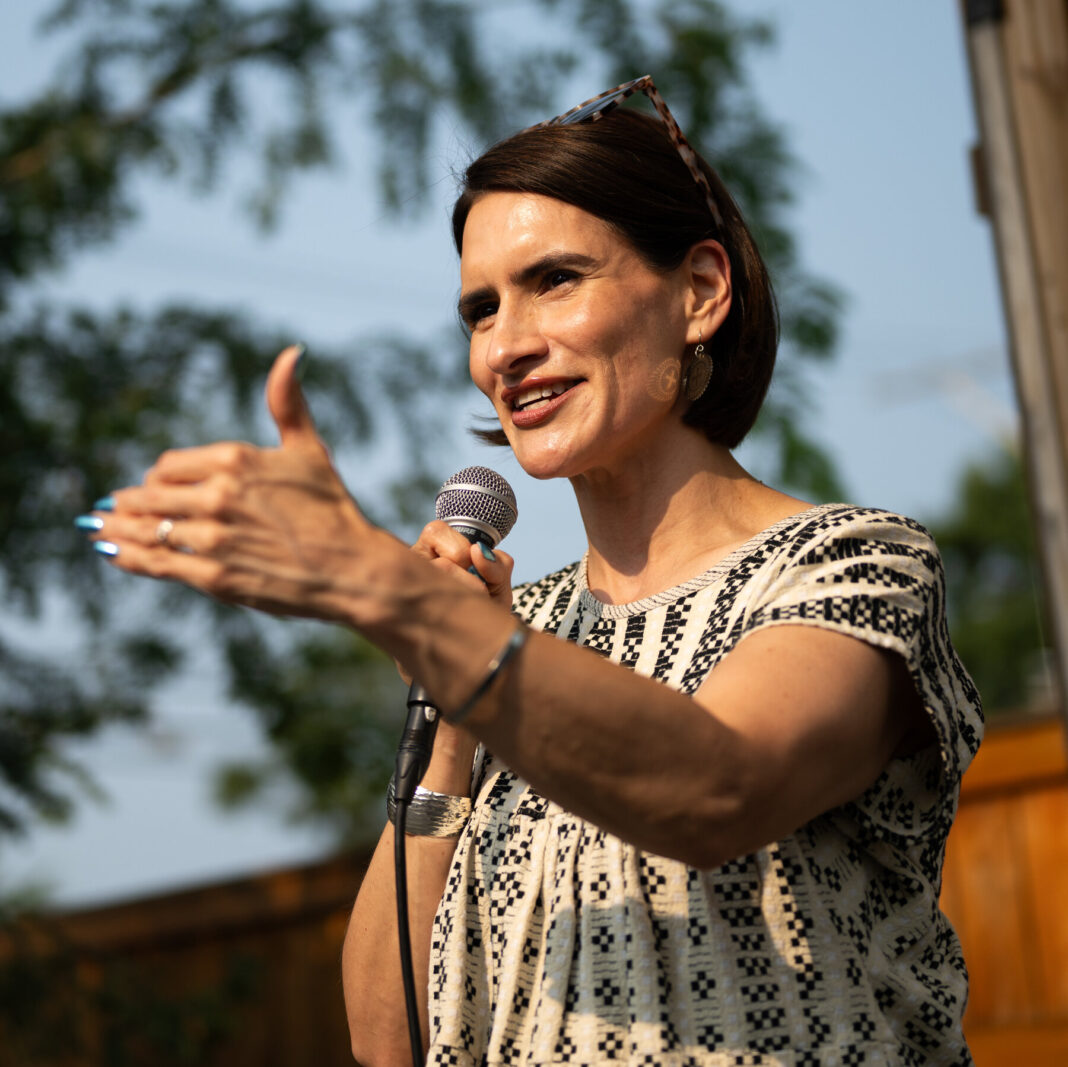
Peggy Flanagan, Minnesota’s lieutenant governor, won the Democratic Senate primary on Tuesday, setting up a general election bid that could make her the first Native American woman elected to the U.S. Senate. The victory marked another milestone for progressive candidates in the Midwest.
Flanagan, a member of the White Earth Band of Ojibwe, defeated challenger Representative Angie Craig in a race that centered on economic policy and party direction. Craig conceded Tuesday night after early returns showed Flanagan with a decisive lead.
The primary outcome reflects growing support for left-wing platforms in the region, particularly around healthcare access and labor rights. Flanagan campaigned on expanding social programs and increasing taxes on high earners to fund public services.
Her candidacy gained momentum with strong backing from grassroots organizations and tribal communities across the state. She emphasized her record as lieutenant governor, including work on paid family leave and clean energy initiatives.
Flanagan’s win places her in a competitive November race against the Republican nominee. State political analysts note that Minnesota has not elected a Republican to the Senate since 2002, but this cycle’s contest is expected to draw national attention and funding.
The candidate’s platform includes federal action on childcare affordability and infrastructure investment. She has also proposed measures to protect voting rights and address rural economic decline.
If elected, Flanagan would join a small but growing number of Indigenous lawmakers in Congress. Her potential seat would add a distinct voice to debates on tribal sovereignty and environmental policy.
The general election campaign is set to ramp up immediately, with both parties targeting the state as a key battleground. Flanagan’s team plans to focus on turnout in urban centers and tribal lands.
Political observers view her candidacy as a test of whether progressive momentum can translate into statewide victory. Early polling suggests a tight race, with independent voters likely to decide the outcome.
Flanagan has signaled she will prioritize bipartisan efforts on infrastructure while holding firm on social spending. Her campaign message emphasizes practical results over ideological labels, a tone that resonated with primary voters.
The Senate race now shifts to the broader electorate, where economic concerns and national party dynamics will play significant roles. Flanagan’s historic bid continues to draw interest beyond Minnesota’s borders.